
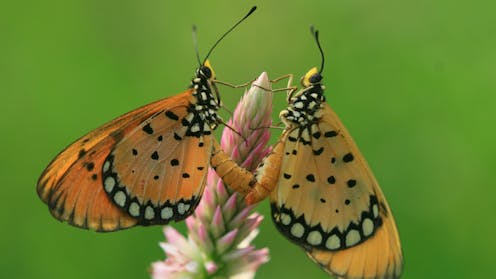
Spring in Australia has arrived like a celebration. Magpies are warbling in the morning, wildflowers are bursting open across bushland, and the air is humming with life as tiny creatures have stirred back into action after the winter: bees darting between flowers, dragonflies skimming across ponds, and swarms of flying ants mating.
But we are largely blind to Australia’s insects, and more specifically, what has happened to them over years and decades. That’s because Australia – despite having some of the richest insect biodiversity on the planet – doesn’t have long-term datasets about insects. And because of this, we don’t have a coordinated way to know whether our native bees, butterflies, or even pest species are stable, declining, or booming.













