
- Toyota will bring 200 to 250 GR GT cars to the US and every unit is already spoken for.
- The GR GT combines a hybrid system with a twin-turbo 4.0-liter V8 to produce 640 hp and 627 lb-ft.
- Toyota used its GR GT3 race car to directly shape the GR GT road car's aero and engineering.
Toyota has said the GR GT’s US allocation will be limited, and interest already matches the few hundred cars planned. The company has enough hand-raisers to cover the run but has not taken deposits yet. That kind of demand for a car that has not reached production says something about where Toyota is aiming with its GR GT supercar. Buyers are paying north of $225,000 for a road car built next to a race car, not after it.

How The Road Car Mirrors The Racer
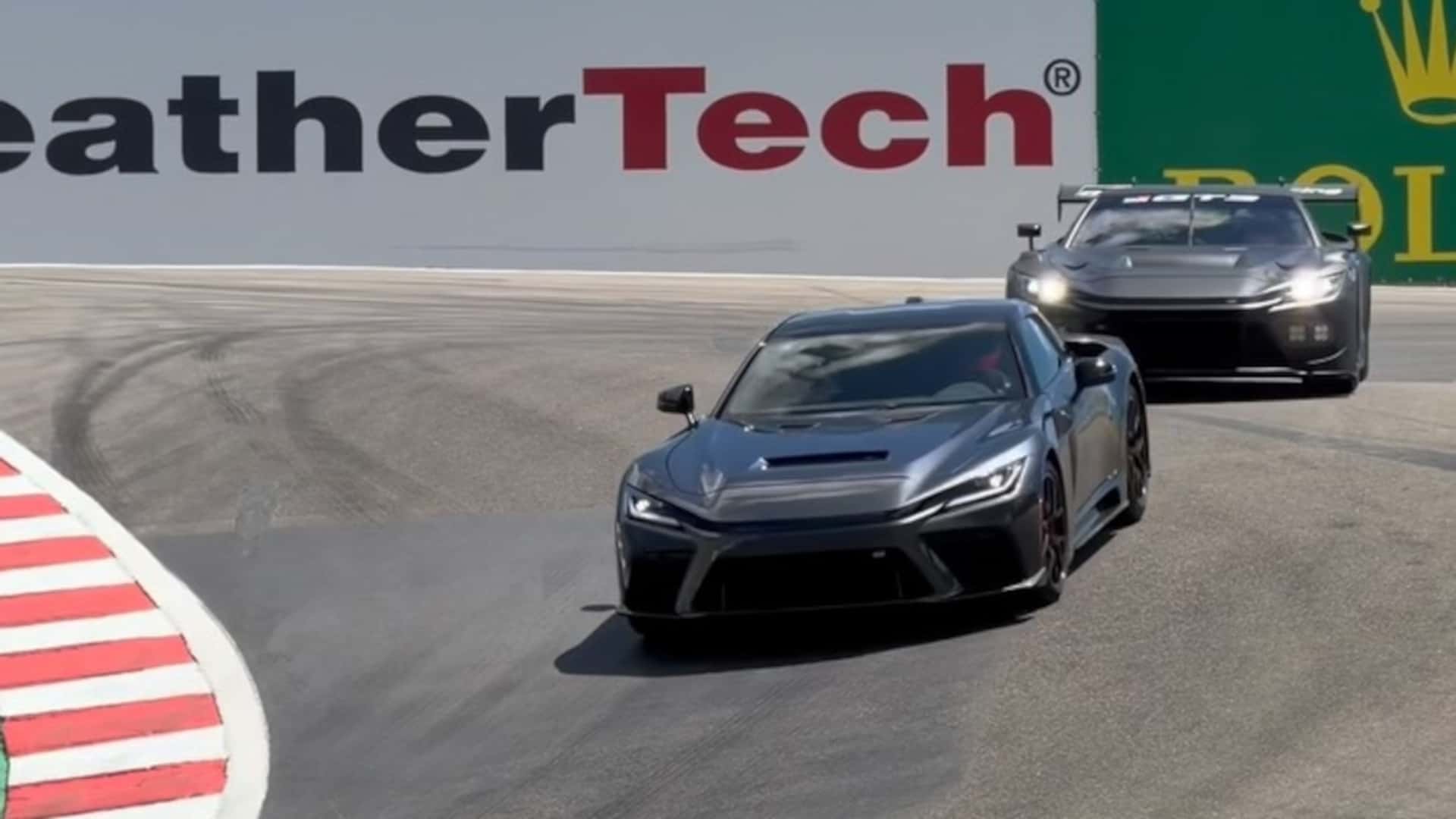
Toyota's GR GT and GR GT3 prototypes ran together at Laguna Seca, matching liveries and matching intent. The road car led through parts of the lap, then the more heavily winged GT3 pulled ahead. Both cars sounded every bit as serious as their spec sheets suggest.
The GT3 version is expected to carry the bigger rear wing and the more track-focused aero package, though Toyota has not confirmed whether its version of the shared V8 makes different power. The two cars were developed together, with the road car adopting motorsport aero and structural ideas rather than treating the racer as a distant relative.
Talk of additional GR GT variants, from harder-core track specials to open-roof, remains in the realm of rumor for now. None of that changes the core mission, which is to import what works on a GT3 grid, then make it street legal.
Gallery: Toyota GR GT
Hybrid V8 Power And Performance Targets For The Toyota GR GT
The GR GT's powertrain centers on a twin-turbo 4.0-liter engine paired with an electric motor built into an eight-speed transaxle. Preliminary figures point to roughly 640 horsepower and 627 pound-feet of torque, sent exclusively to the rear wheels.
That is a firm rear-drive-only decision on a car wearing a race-derived hybrid system. It is a layout choice that puts driver engagement ahead of straight-line traction numbers most rivals would chase instead.
Toyota is not hiding who it wants behind the wheel. Executives have been clear they want the car in the hands of people who will actually drive it rather than short-term flippers.
Where the GR GT stands in Toyota's own history matters here. It is positioned as the successor to the Lexus LFA, a proper flagship rather than a trim-level halo, and the GR GT suggests Toyota built this one for owners who will actually use track days, not just garage it.
Motor1's Take: The GR GT is less about headline output and more about how closely it shadows the GT3 car in feel and feedback. The owners who get the most from it will be the ones willing to learn its systems, chase setup changes, and treat it like a tool for seat time rather than a static collectible.