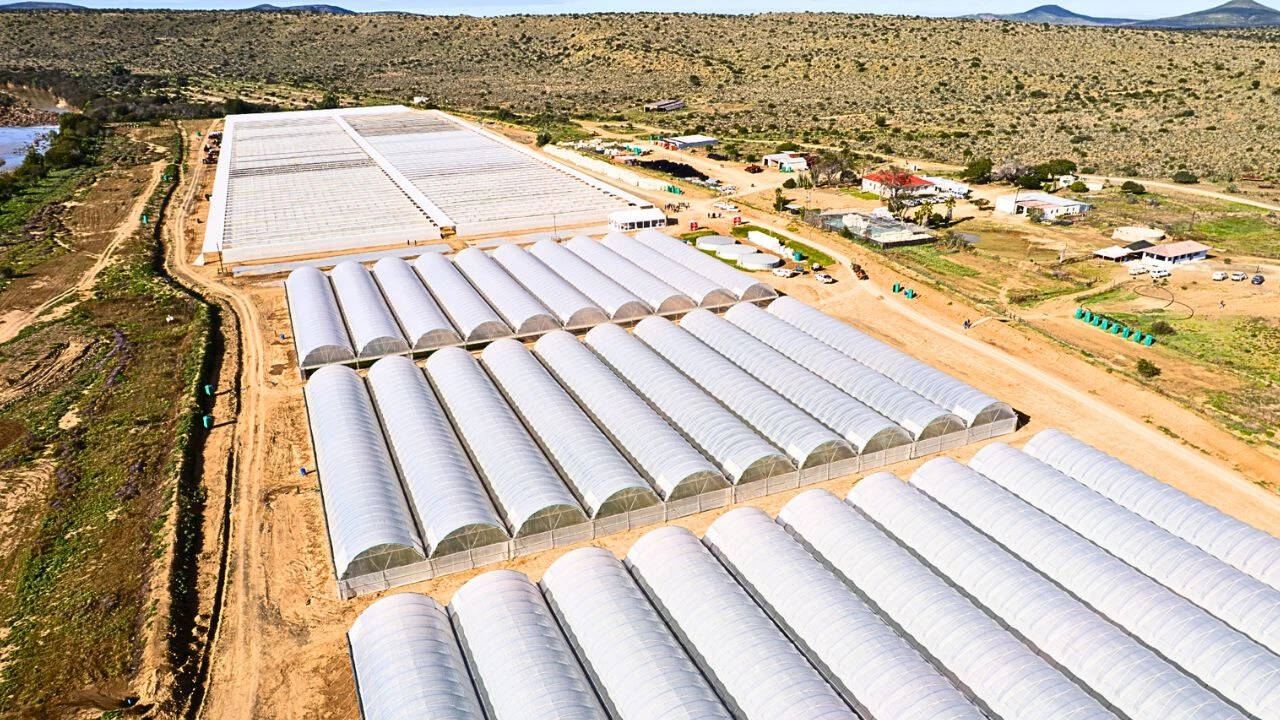
South Africa’s Eastern Cape is set to undergo a major land restoration effort centred on spekboom, a hardy succulent that grows naturally in the region. According to Amazon, this investment will help restore more than 50,000 hectares of degraded land and plant 180 million spekboom cuttings by the end of 2028. The programme is expected to create around 11,000 jobs by 2030 and generate more than $500 million in economic value.
Get breaking news anytime, anywhere. Download the TOI app now!

The restoration focuses on the declining Albany thicket, where years of land use have affected the landscape and its ability to support nature and communities. As part of the project, Amazon will purchase 1.95 million tonnes of nature-based carbon removal credits generated over more than a decade. The first phase is already underway across 10,000 hectares.
How will 180 million spekboom cuttings help restore the Albany thicket
More than 50,000 hectares will be added to the project as a result of Amazon's support. The project centres on spekboom, a hardy succulent that grows in the region’s harsh climate. By the end of 2028, 180 million spekboom cuttings will be planted across the landscape. The effort focuses on the Albany thicket, a distinctive ecosystem that has been in decline for decades. The project is already underway, with its first phase beginning in April 2024. That phase covers 10,000 hectares and includes 30 million plants. The programme is designed and operated by ecosystem restorers Imperative.
Why is spekboom important for restoring the Eastern Cape
Spekboom is central to the restoration because it evolved specifically for the Eastern Cape’s harsh climate. It is locally known as elephant bush because elephants browse its leaves; the succulent grows in harsh conditions where many other plants cannot. It grows from simple cuttings placed directly into the soil, making restoration practical at enormous scale. As the plants mature, they cool the landscape around them and improve depleted soils.
They also create conditions for ecosystems to recover naturally. The area is home to 165 recorded plant and animal species, including several considered vulnerable by conservationists. Scientists have found that spekboom can remove carbon from the atmosphere at rates comparable to young tropical forests. The United Nations has also named spekboom restoration one of its World Restoration Flagship initiatives.
How will the restoration project create jobs and support local communities
The programme is expected to create around 11,000 jobs by 2030 in one of South Africa’s most economically disadvantaged regions. According to Amazon, the programme will also train local businesses. The project is expected to bring over $500 million into surrounding communities through wages, procurement, landowner payments and community investment.
Amazon has committed to purchase 1.95 million tons of carbon removal credits generated by the project over more than a decade. The commitment enabled the World Bank to launch a Spekboom Outcome Bond, which gives investors confidence that there would be a buyer for the project’s future credits.
The credits are available for qualified companies to purchase through Amazon’s carbon credit service. They will carry both the ABACUS label and Climate, Community & Biodiversity (CCB) certification.
How does the restoration project support carbon removal
The project is part of Amazon’s work towards its Climate Pledge goal of reaching net-zero carbon across its operations by 2040. Its purchase of 1.95 million tonnes of carbon removal credits is one of the largest private-sector commitments to nature restoration in South Africa’s history. The project has also received an ‘AA.pre’ Standalone Rating from BeZeroCarbon, an independent agency that assesses the quality of carbon credits.
The rating ranges from AAA, the highest, to D, the lowest, and indicates a high level of confidence that the project’s credits represent real, verified carbon dioxide removal. Amazon says the project is among the highest-rated afforestation, reforestation and revegetation projects in the world. Together, the programme combines land restoration and carbon removal with local employment and investment in surrounding communities.