
Get all your news in one place.
100's of premium titles.
One app.
Start reading
Livingetc
Livingetc
Maya Glantz

Sick Of Your Cramped Kitchen? Here's How to Make a Galley Kitchen Feel Less Like a Corridor

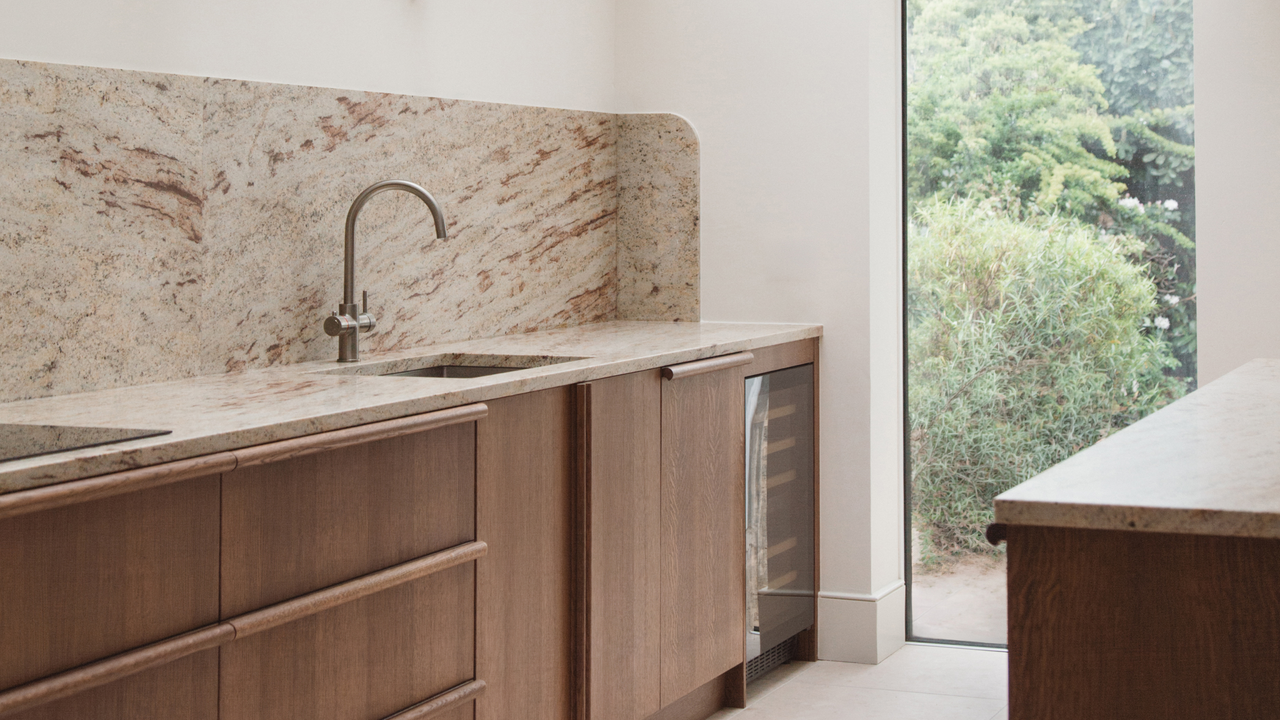
A galley kitchen with wooden cabinetry, stone counters and white walls.

The term 'galley kitchen' finds its origins at sea, a phrase used to describe the narrow strips of cooking space found on ships. It's no surprise then that they aren't typically considered the most desirable of kitchen layouts. But with the right design tips, you can easily take your galley kitchen from feeling like a cramped corridor to the luxurious gathering space you'd hoped for.

There's no denying it, designing a long, narrow kitchen isn't the easiest of tasks, but that doesn't mean that it's a hopeless battle, either. It's all about knowing how to make the most of the space you have available and making sure your design choices help to open the room up, as opposed to choosing finishes that draw attention to the limitations of your layout. In galley kitchens, natural light will be your best friend, as will airy finishes and discreet storage solutions. It comes down to finding ways to make your room feel as welcoming as possible, no matter the dimensions.

So, if you're ready to leave the days of a dingy, corridor kitchen behind and welcome in a new style of galley kitchen, our expert tips are here to help.

1. Lead Towards a Focal Point

"The best galley kitchen layouts feel cohesive to a space, and not feel like a jump from one area to another. At Origami House, the kitchen sits between the living room and dining area, which makes it a natural gathering spot rather than a corridor," says Matt. (Image credit: Dapple Photography. Design: Loader Monteith)

When you're designing your home, a tip that almost any architect will give you is to pay attention to sightlines. Thinking about the way your home will look from various angles can help you design it with more intention and clarity, and in no space is this tip more valuable than in a galley kitchen.

Galley kitchens are characterized by their long, narrow dimensions, which can easily make them feel poky or cramped. With nowhere else to land, your eyes immediately fall towards the furthest end of the room. Understanding this and adapting your design to reflect this fact can be the key to a brighter, more inviting design.

To do this, Matt Loader, director at Loader Monteith, says, "Keep sightlines open and create a visual connection to another room or the garden. Having something to look towards instantly makes the kitchen feel less enclosed." You want to offer a continuous path for your eyes to follow, so they aren't immediately met with the end of the kitchen.

"If possible, creating a focal point at the end of the kitchen — a garden view or a window seat like in Origami House — helps draw the eye through the space and makes it feel larger," Matt says.

2. Play With Contrast

Sleek, dark cabinetry provides a striking contrast to the bright natural light and white countertops, making this space feel more expansive. (Image credit: HOLTE)

It's easy to get bogged down with the practicalities of designing a small kitchen, focusing more on the storage and appliances than on the design. But the right design ideas can make all the difference to the feel of your space.

One tip Fiona Ginnett from Holte swears by is playing around with contrast: "Rather than using the same finish throughout, consider introducing a darker color on one side of the kitchen and a lighter color or material on the other," she says.

It may seem counterintuitive to use dark colors in a small room, but when paired with a contrasting, brighter shade, it can actually help to open up your space. As Fiona explains, "This helps draw the eye across the space and creates a greater sense of width and expansiveness."

The trick, Luke Ellis from Joyn Kitchen says, is to save the darkest shade for the furthest point of the room. He says, "If you want contrast, apply it to the wall at the far end of the kitchen: a deeper tone there draws the eye forward and makes the space feel longer, not narrower. Avoid anything too dark on the side walls, which will tighten the corridor feel."

It doesn't just have to be done with color, either; even using a contrasting texture or finish can introduce enough intrigue and visual balance to achieve the same effect.

Not all of us have the luxury of tons of natural light in our homes, which is exactly what makes products like this such a gamechanger. Designed to mimic the look of a skylight, these LED panels can be used on their own, or grouped together to flood your galley kitchen with the brightness it needs.

3. Prioritize Natural Light

Floor-to-ceiling windows are the ultimate addition to any galley kitchen. (Image credit: Mary Wadsworth. Gunter & Co)

Above all else, the number one tip any designer will give you when designing a galley kitchen is to squeeze in as much natural light as you possibly can. The ultimate antidote to a cramped space, a healthy dose of bright sunlight pouring into your room will immediately bring life into your kitchen.

There are many ways you can incorporate this into your design, with Matt saying, "Rooflights, glazed doors or internal windows can make a huge difference in a narrow space." It may require some additional structural work, but it will be well worth it.

You will also want to make sure that any natural light present is given the opportunity to fully spread across the room. "Keeping sightlines open and allowing daylight to travel through the room will always help a narrow space feel larger and more inviting," adds Fiona.

4. Reflective Surfaces Are Your Friend

Go for the chef's kitchen look with floor-to-ceiling stainless steel cabinetry. (Image credit: Sarah Jeffreys Interiors)

One consistent theme running across these design tips is the emphasis on opening up the space and finding ways to create the illusion of greater depth and width than there actually is. And nothing creates this illusion better than a bit of reflection.

"Mirrors, reflective surfaces, and considered, atmospheric, as well as task lighting, are your best friends when designing a galley kitchen," shares Amy Hicks, lead designer at Blakes London.

A mirrored surface allows the light to bounce off it, shining back through the room and opening up the space. A convenient win for lovers of the stainless steel kitchen look.

But stainless steel is far from the only way to bring this idea into your design. Amy says, "We love using foxed or antiqued mirror as a splashback as it instantly introduces depth and creates the illusion of a wider, more expansive space. Where possible, glazed display cabinetry with internal or back lighting can also add both visual interest and layered depth."

As Amy mentions, your kitchen lighting can also play a key role in this, and discreet, integrated backlighting and under-cabinet lights, like these LROLTEF Under Cabinet Kitchen Lights on Amazon, can be a great addition to a galley kitchen.

5. Keep The Palette Bright

So long as your base is nice and bright, you can build up depth by layering in more textured, warmer finishes. (Image credit: Claudia Padrosa. Design: Joyn )

The materials and colors you use in your galley kitchen have everything to do with the overall feel of the space. A dark kitchen may be moody and cozy, but in a galley layout, it's guaranteed to feel cramped and claustrophobic.

This doesn't mean you have to commit to an all-white kitchen, though. In fact, Luke would suggest avoiding it altogether, saying, "Light, warm neutrals on the cabinets keep the space from feeling enclosed — but be sure to avoid actual white. A slightly warmer tone like soft stone or warm putty reads as airy without feeling clinical. Natural light woods work beautifully too, bringing warmth and texture without adding visual weight."

Softer, neutral kitchen colors will create a more relaxing feel than a stark white, which can often come across quite clinical. This is an assessment Rachel Davis from Harvey Jones agrees with, too, saying, "Warm neutrals, soft greens and muted blues all work beautifully, bringing character without overwhelming the room. Rather than relying on bright white alone, layering subtle tones and natural materials often creates a more inviting and sophisticated result."

These subdued, light neutrals will still reflect light in the way you need in a galley kitchen, but they also make for a comforting, welcoming space. Opting for colors that make rooms feel bigger is the best port of call in galley kitchens, so light, bright neutrals will be your best friend here.

The Best Colors For Galley Kitchens

A classic for a reason, School House White is the best alternative to a pure white paint.

A pale yellow full of warmth, this shade is sure to brighten even the dingiest of rooms.

Soft and neutral with a sunny yellow undertone, this shade feels like a breath of fresh air.

A gentle, muted blue with green undertones, this shade has a lovely calming effect.

A soothing, sky-blue, this shade makes for a calming atmosphere.

Somewhere between pink and beige, this subdued shade has a lovely softness to it.

To ensure your galley kitchen is the best it can be, designers share the galley kitchen mistakes they see all the time, so you can avoid them when planning or know what to do instead if you're already making them.

And for the rest of your design tips, subscribe to our newsletter.

Nanoleaf Nanoleaf Skylight Smart Modular Ceiling Light Expansion Pack, 1 Led Panel Farrow & Ball School House White Lick Yellow 05: Pale Yellow Paint littlegreene First Light Farrow & Ball Teresa's Green Lick Blue 02: Mint Blue Paint Farrow & Ball Scallop
Sign up to read this article
Read news from 100's of titles, curated specifically for you.
Already a member? Sign in here
Related Stories
Top stories on inkl right now
One subscription that gives you access to news from hundreds of sites
Already a member? Sign in here
Our Picks
Fourteen days free
Download the app
One app. One membership.
100+ trusted global sources.