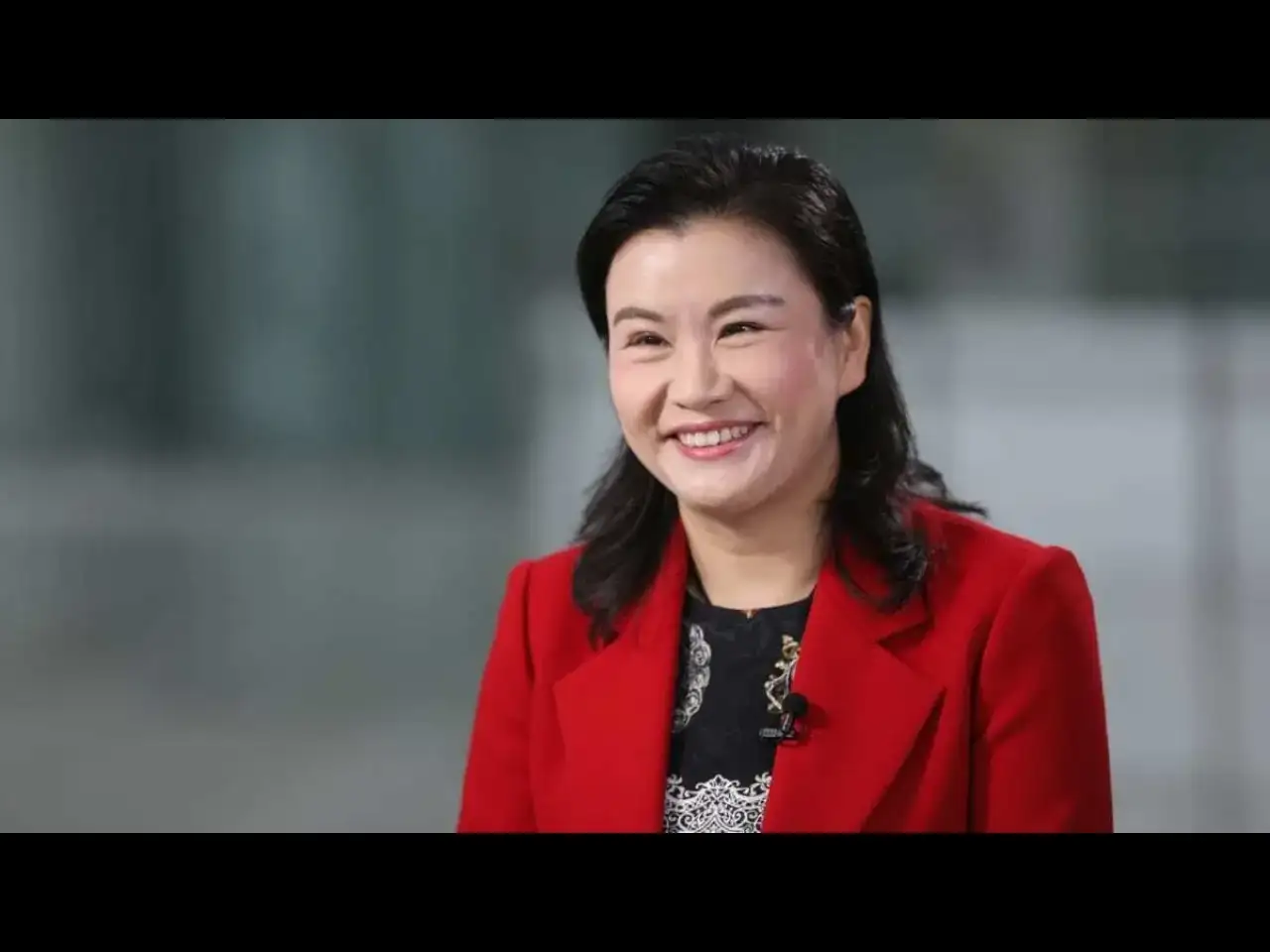
Huawei’s “chip queen” is no longer just a respected engineer inside China’s technology world. He Tingbo has become a defining figure in the global semiconductor race, representing China’s determination to survive sanctions, rebuild technological independence, and challenge long-standing Western dominance in advanced chips. Her latest appearance in Shanghai, where she introduced Huawei’s new “Tau Scaling Law,” signals something larger than a corporate strategy. It reflects a philosophical shift in how the future of computing may evolve after the slowing of Moore’s Law.
The rise of Huawei’s “chip queen” also carries symbolic weight inside China. Her journey mirrors the country’s broader ambition to move from manufacturing dependence toward technological self-reliance. At a moment when geopolitical tensions increasingly shape innovation, her leadership has become part engineering story, part national mission, and part global warning that the semiconductor battle is no longer just about commerce. It is about power, resilience, and the future architecture of the digital world.