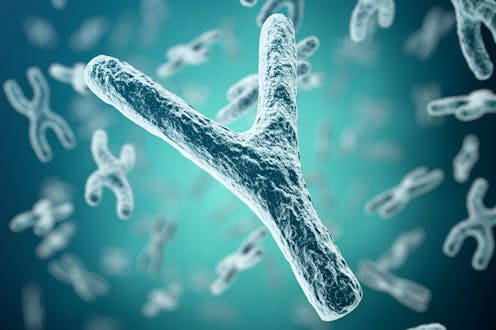
More than 20 years ago, the human genome was first sequenced. While the first version was full of “holes” representing missing DNA sequences, the genome has been gradually improved in successive rounds. Each has increased the quality of the genome and, in so doing, resolved most of the blank spaces that prevented us from having a complete reading of our genetic material.
The fundamental difficulty researchers faced in reading the genome from end to end is the enormous number of repeated sequences that populate it. The 20,000 or so genes we humans have occupy barely 2% of the entire genome. The remaining 98% is essentially made up of these families of repeated sequences, mobile elements known as transposons and retrotransposons, and – to a lesser but functionally important extent – gene expression regulatory sequences. These function as switches that determine when and where genes are turned on and off.