
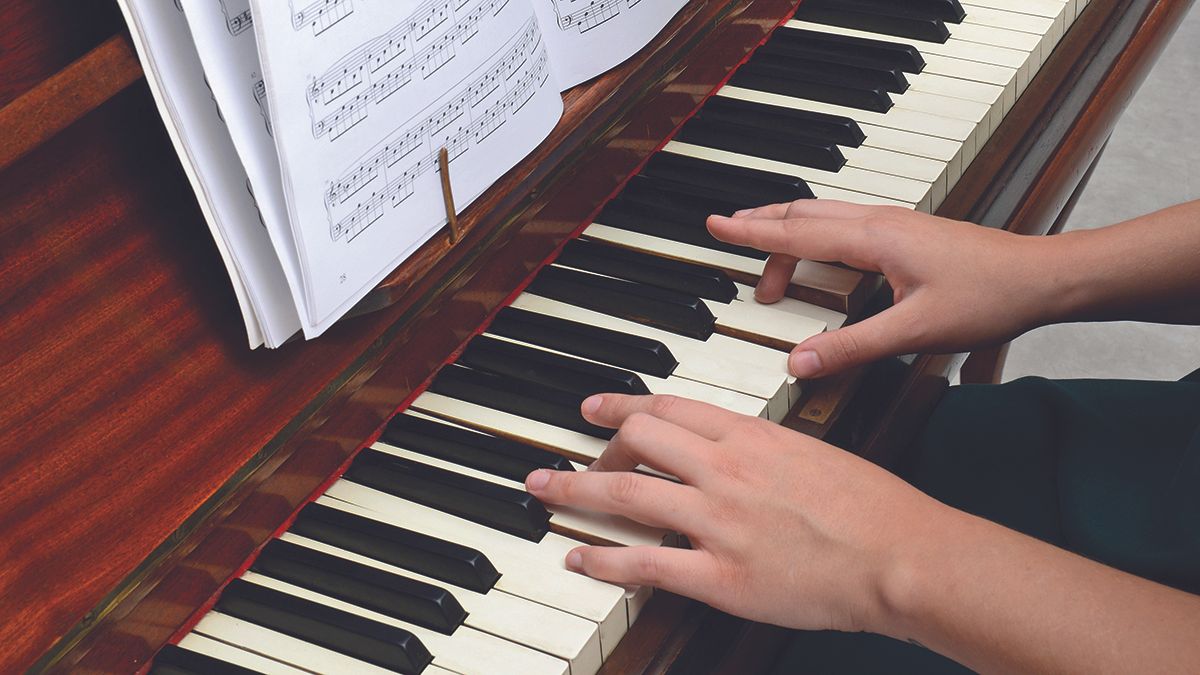
Every good pianist knows the importance of dynamics – how loudly or quietly you play, basically – but other tonal terms have always been somewhat more subjective. Can you really make a piece sound ‘warmer’, ‘darker’, ‘brighter’ or ‘heavier’, for example, given that, once the hammer hits the string, the tone of the sound is supposedly out of your control?
This is a question that’s long been debated, but new research led by Dr. Shinichi Furuya of the NeuroPiano Institute and Sony Computer Science Laboratorie (published in ScienceDaily) claims to show that this level of touch and timbre variation is indeed possible on a piano via subtle movements of the player’s fingers and hands, and that listeners can identify it when they hear it.













