
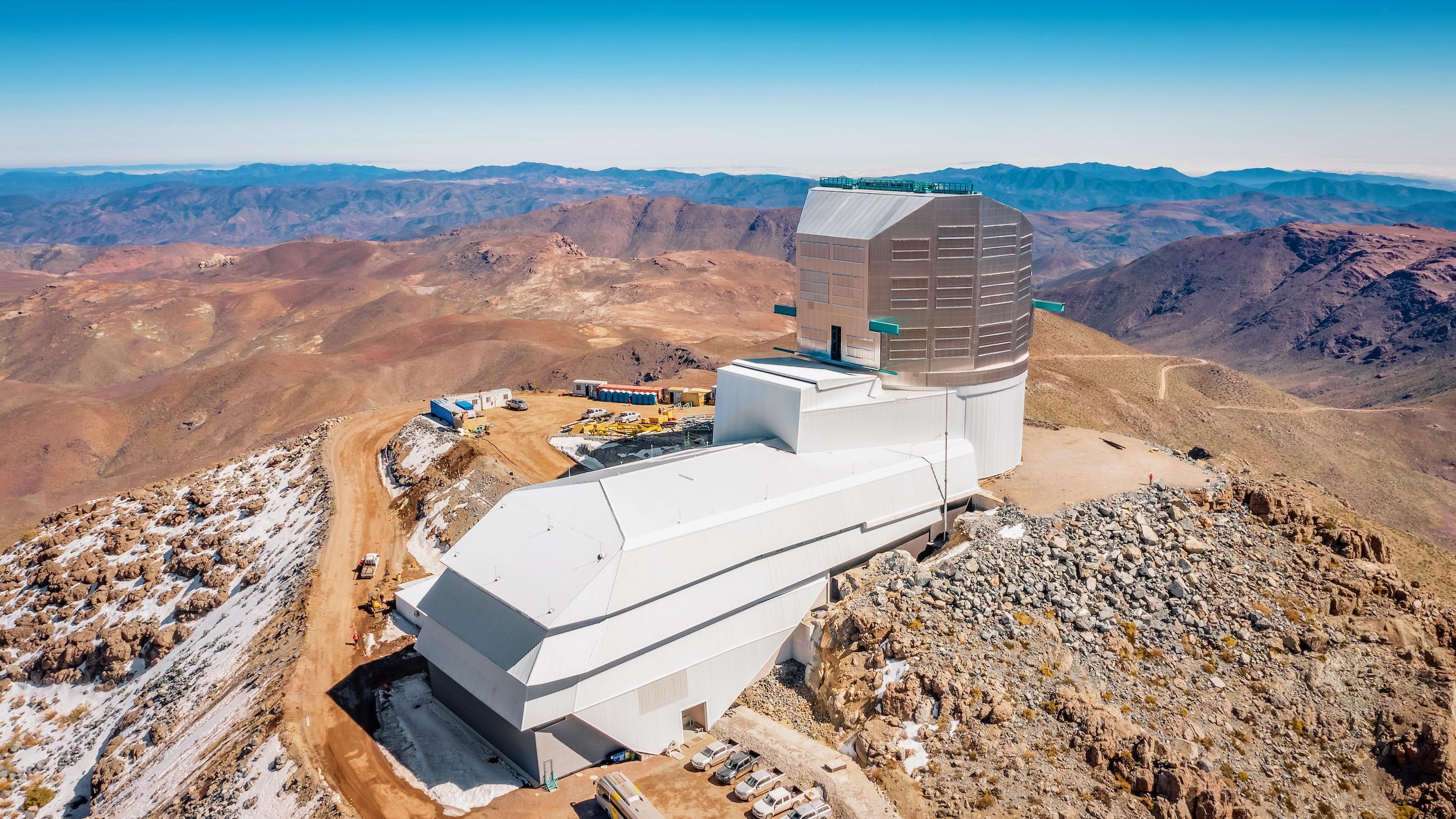
When astronomers first dreamt up the Vera Rubin Observatory in the 1990s, the sky above the Chilean Cerro Pachón, where the star-observing machine was to be located, looked different than it does today.
Dotted with millions of stars, galaxies and nebulas, it was only occasionally crossed by a lone satellite. Then, just a few years before the observatory's expected inauguration, the era of megaconstellations took off, and astronomers found themselves racing to find ways to protect the telescope's images from satellite contamination. They didn't have much time.












