Get all your news in one place.
100's of premium titles.
One app.
Start reading
AAP
AAP
Health
Stephanie Gardiner

Red letter day for baby books as health gaps emerge

Digital versions of the infant health record hope to make it easier to navigate appointments. (Stephanie Gardiner/AAP PHOTOS)

Most new parents can relate to the shock of leaving hospital carrying a new, confusing and mysterious bundle.

And that's not just the baby.

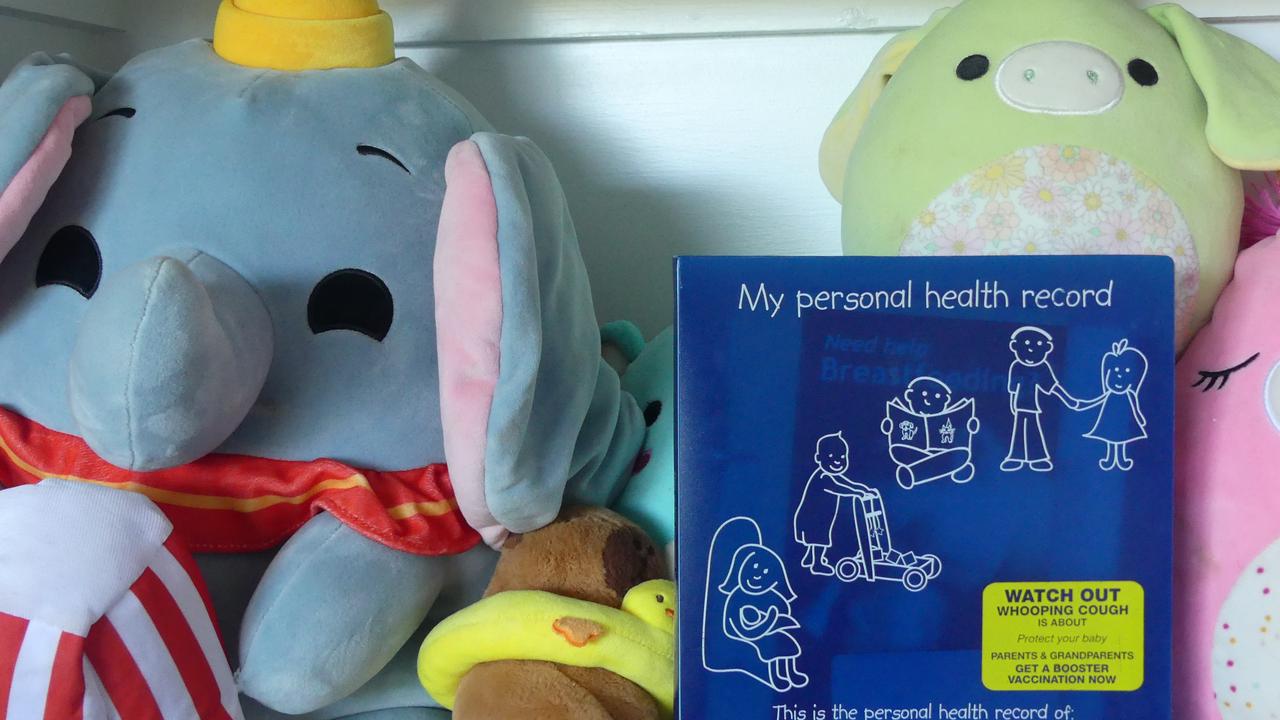
For decades, Australian families have been handed both their newborn and a hefty child health record that must be brought to every medical appointment.

It is known as the blue book in four states and territories and the green, red, yellow or purple book in others.

An infant health record, known as a
The infant health record, known as a "blue book" in some states, has been used for decades. (Stephanie Gardiner/AAP PHOTOS)

This antiquated paper-based system may be one of many barriers to ensuring all children receive critical health checks in their early years, research shows.

A digital system, which was being trialled or partly rolled out in some states, would help policymakers better direct health services, Centre for Policy Development advisor Barbara Honeysett said.

Digital records would also prevent missed referrals and improve communication between healthcare providers.

"It would be something that not only will allow the system to be designed better, but would also make it easier for families," Ms Honeysett told AAP.

The books are a small part of much deeper problems in a fragmented and centralised health system, which can limit access to care in the vital first 2000 days of a child's development.

A child drawing (file image)
It is a hoped a digital system can help ensure young children don't miss important health checks. (Joel Carrett/AAP PHOTOS)

The centre's report Healthy Starts, released on Thursday, found families in rural areas were twice as likely as city peers to miss early childhood checks due to workforce shortages.

Only 59 per cent of first-time mothers received antenatal care by the recommended first 10 weeks of pregnancy, a crucial step in future care, the report found.

Second year developmental check attendance is only 30 per cent in WA.

In NSW, 17 per cent of children have no contact with child health services during the first five years.

Nearly 45 per cent of parents with children under five missed appointments because they didn't know about the services or the support was inaccessible.

Students on first day of school (file image)
Almost a fifth of NSW children have no contact with child health services before starting school. (Dean Lewins/AAP PHOTOS)

Ms Honeysett said the report showed the nation's early childhood reform, which has ushered paid parental leave and universal childcare commitments, overlooked parts of the health system,

"We have a universal child and family health service system that has some great pockets of best practice, and for a lot of kids and families, is having a pretty mammoth impact," she said.

"But in this research we found that those benefits aren't shared."

The findings back the Australian Early Development Census, which showed more than 23 per cent of children are developmentally vulnerable in their first year of school.

The researchers were working with the government to come up with solutions, but addressing fragmentation of early childhood health services was key, Ms Honeysett said.

"It's all about early intervention and identifying challenges as early as possible," she said.

"If we don't have enough opportunities to identify those challenges, they can go untreated and develop into more complicated problems down the line."

Sign up to read this article
Read news from 100's of titles, curated specifically for you.
Already a member? Sign in here
Related Stories
Top stories on inkl right now
One subscription that gives you access to news from hundreds of sites
Already a member? Sign in here
Our Picks
Fourteen days free
Download the app
One app. One membership.
100+ trusted global sources.