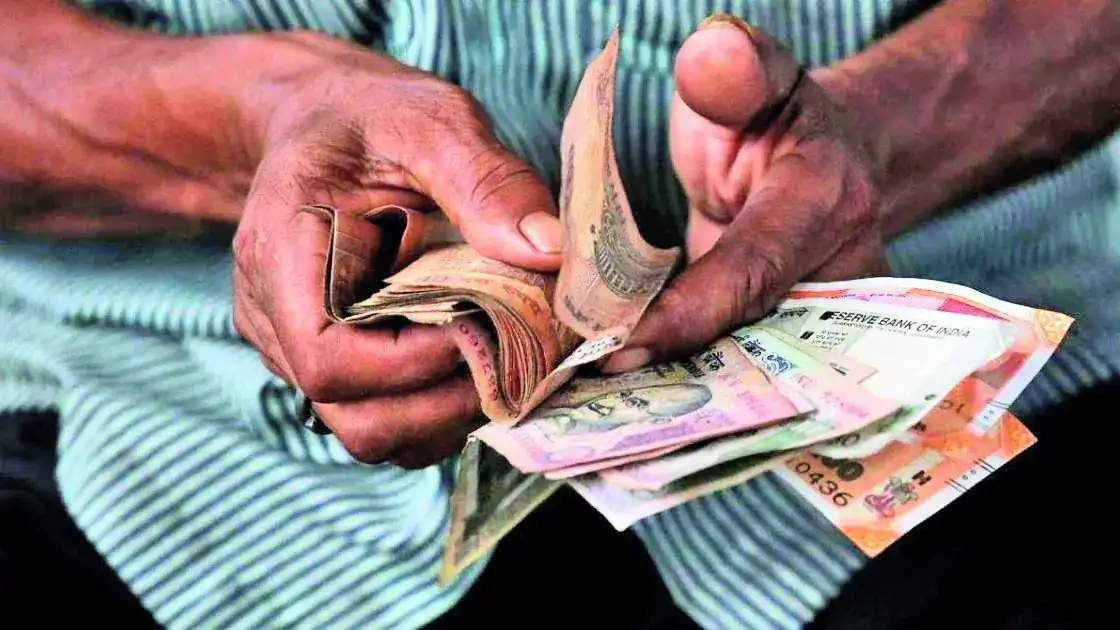
Economists tend to see global crises first in aggregates, while households feel them in fragments. GDP slows by 2%, inflation rises by 3%, and unemployment inches up. For most families, crisis comes in much smaller ways: they use less cooking oil, school fees are paid a month late.
The cruel unevenness of resilience is also revealed. We instruct families to 'spend better', as if economic insecurity can be solved by financial prudence alone. But there's an awkward asymmetry here. Yes, an Indian middle-class professional may have to be more judicious with her spending in uncertain times. But for a low-income worker, spending is not the problem--earning is.