Get all your news in one place.
100's of premium titles.
One app.
Start reading
LiveScience
LiveScience
Perri Thaler

Rare form of leprosy infected people in Americas before European arrival, 4,000-year-old bones suggest

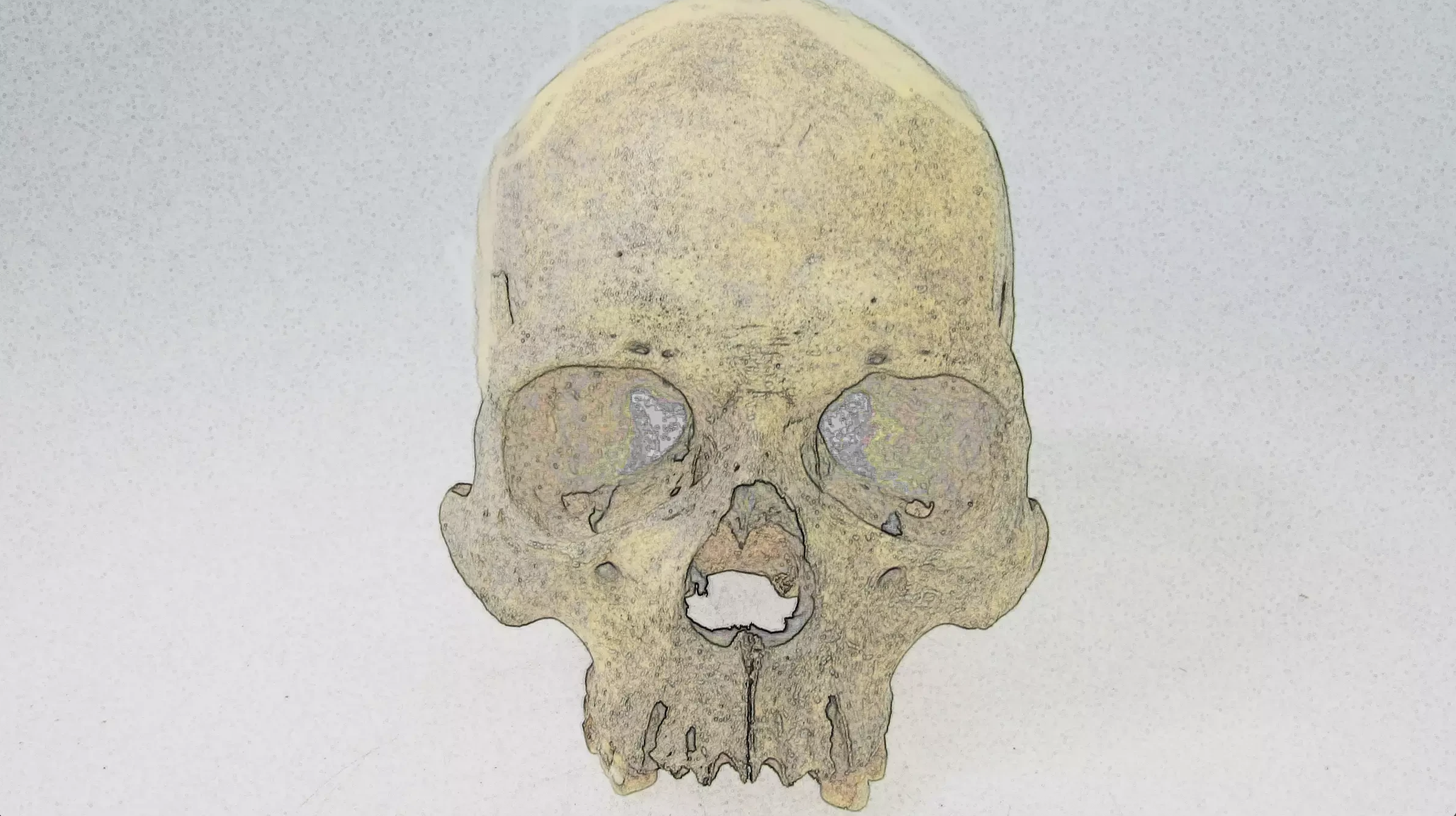
A human skull against a white background.

Bones from 4,000-year-old human skeletons discovered in Chile contain evidence of a rare form of Hansen's disease, also known as leprosy, ancient DNA reveals.

Whereas the more common form of leprosy known today is caused by a bacterium called Mycobacterium leprae, these skeletons had evidence of a different, rarer form of the disease caused by the bacterium Mycobacterium lepromatosis. The findings, published June 30 in the journal Nature Ecology and Evolution, suggest that the two leprosy-causing bacteria evolved separately, on opposite sides of the globe, for thousands of years.

Sign up to read this article
Read news from 100's of titles, curated specifically for you.
Already a member? Sign in here
Related Stories
Top stories on inkl right now
One subscription that gives you access to news from hundreds of sites
Already a member? Sign in here
Our Picks
Fourteen days free
Download the app
One app. One membership.
100+ trusted global sources.