Get all your news in one place.
100's of premium titles.
One app.
Start reading
The Economic Times
The Economic Times
Gandharv Walia

Quote of the day by Ogden Nash: 'God in his wisdom made the fly and then...' Meaning, life lessons, relevance and why the famous quote still matters

Quote of the day by Ogden Nash continues to attract readers because it presents a simple thought with a deeper meaning. The famous line, "God in his wisdom made the fly and then forgot to tell us why," turns a common annoyance into a reflection on life. The quote reminds people that many events happen without clear explanations. Instead of searching endlessly for answers, it suggests accepting uncertainty with patience and humor. Written by American poet Frederic Ogden Nash, the line has remained popular for decades because it speaks about everyday experiences that almost everyone can understand and relate to.

Ogden Nash famous quote and what it says

The quote reads:

"God in his wisdom made the fly and then forgot to tell us why."

This short two-line verse is one of the best-known works by Ogden Nash. Although it appears humorous, it raises a question that many people have considered throughout history. Why do certain things exist if they seem to serve no obvious purpose?

The fly becomes a symbol of life's small irritations. Instead of offering an answer, Nash turns the question into a joke. The result is a quote that continues to make readers smile while also encouraging them to think about uncertainty.

Quote of the day by Ogden Nash: Meaning and relevance in daily life

The meaning of this quote goes beyond insects. It reflects how people often search for reasons behind every event. Sometimes those answers never come. Many situations in life cannot be explained immediately. Delays, disappointments, unexpected problems and daily frustrations often leave people asking "why." Nash suggests that constantly looking for explanations may only increase stress. The quote encourages people to accept that some mysteries remain unsolved. Instead of becoming frustrated, they can choose to respond with humor and patience.

This message remains relevant because modern life is filled with uncertainty. Whether dealing with work, family, studies or personal goals, everyone faces situations that do not always make sense. The quote reminds readers that acceptance can sometimes be more helpful than endless questioning.

Life lessons from the famous line

Although the poem contains only two lines, it offers several important lessons that people can apply in everyday life.

Accept the unexpected

Life rarely follows a perfect plan. Problems appear without warning. Unexpected events become part of everyone's journey. Instead of fighting every inconvenience, people can accept that uncertainty is a normal part of life.

Do not waste energy searching for every answer

Some questions simply have no clear explanation. Trying to understand every event may create more stress than peace. Learning to move forward without complete answers can improve emotional balance.

Use humor during difficult moments

One of the strongest messages in Nash's writing is the value of humor. Laughing at life's small annoyances does not remove problems, but it changes the way people experience them. Humor often makes difficult situations easier to handle.

Everything may have a purpose

The quote also reminds readers that just because a purpose is not immediately visible does not mean it does not exist. Many things in nature play roles that people only understand later. The same idea can apply to life experiences. Challenges often provide lessons that become clear over time.

Do not take every frustration too seriously

Daily life includes many "flies" in different forms. Traffic delays, missed opportunities, mistakes and unexpected setbacks happen to everyone. Instead of allowing every inconvenience to create frustration, people can develop patience and continue moving forward.

READ ALSO: Quote of the day by Johnny Depp: 'Success doesn’t change you…It reveals...' Life lessons on wealth, inhibitions, true character, nature, values and achievement

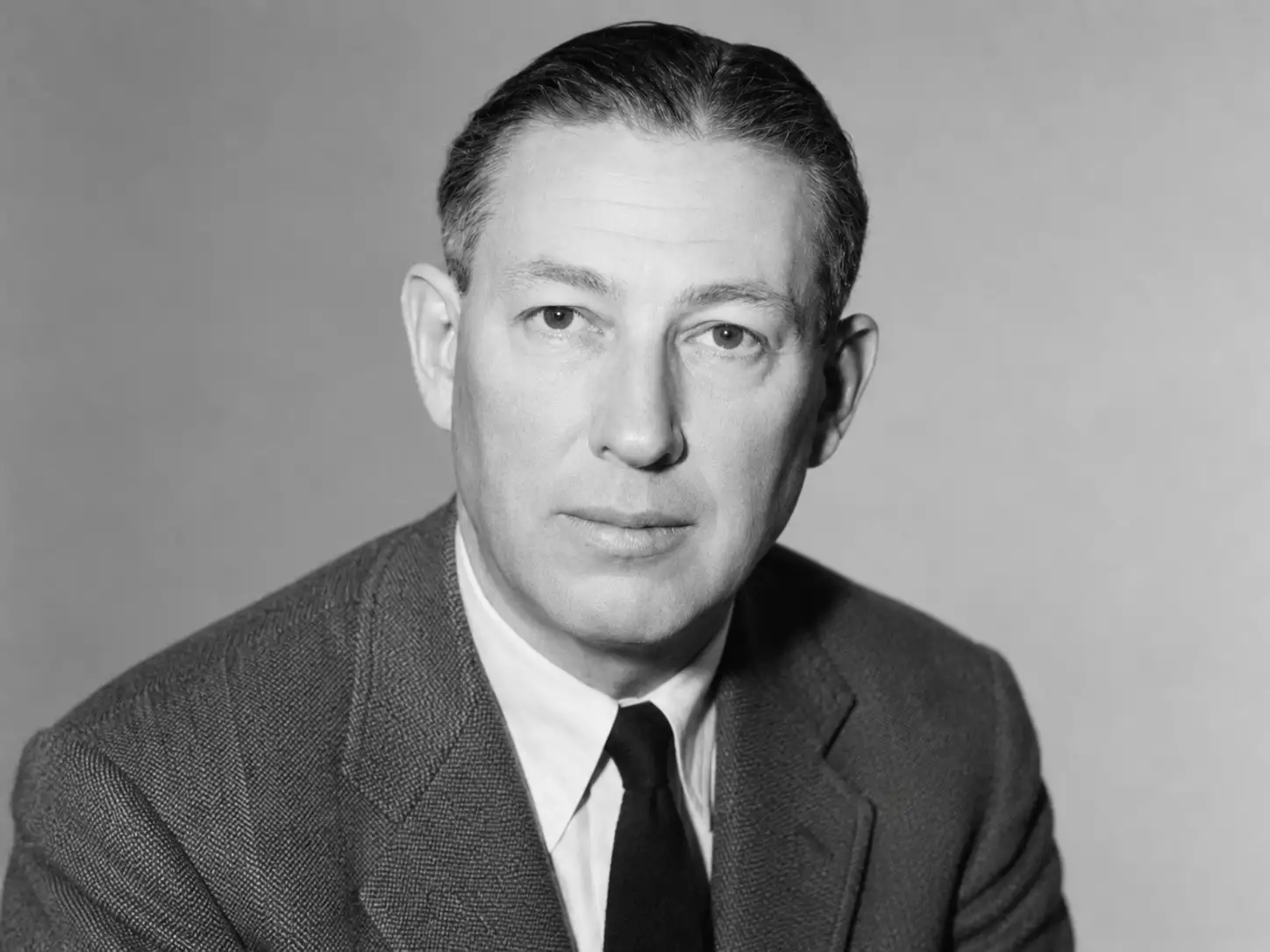
About Ogden Nash and his writing career

Frederic Ogden Nash was born on August 19, 1902, in Rye, New York, United States. He became one of America's most recognized writers of humorous poetry. After studying at Harvard University for one year between 1920 and 1921, Nash worked in several professions. His jobs included advertising, teaching, editing and bond selling before poetry became his full-time career.

His first published verse appeared in The New Yorker magazine in 1930. He later joined the magazine's editorial staff for a period. His first poetry collection, Hard Lines, was published in 1931. The book marked the beginning of a writing career that lasted about four decades.

Over the next 40 years, Nash published around 20 collections of poetry. Some of his well-known works include:

  • Hard Lines (1931)
  • The Bad Parents' Garden of Verse (1936)
  • I'm a Stranger Here Myself (1938)
  • Everyone but Thee and Me (1962)

Nash also wrote lyrics for the musicals One Touch of Venus (1943) and Two's Company (1952). In addition, he wrote several children's books and traveled across the United States as a lecturer. He spent much of his later life in Baltimore, Maryland, where he continued writing until his death on May 19, 1971, at the age of 68.

Why Ogden Nash's poetry remains popular?

Ogden Nash developed a writing style that was different from many traditional poets. He often used unusual rhymes, irregular sentence lengths and playful language. Some lines contained only one word, while others stretched across long paragraphs. Nash once said that he learned his poetic style by observing the accidental mistakes made by Julia Moore, known as the "Sweet Singer of Michigan."

His poems focused on ordinary life instead of complex subjects. Everyday situations became opportunities for humor and reflection. This simple approach allowed readers of all ages to connect with his work. Even decades later, many of his quotes continue to appear in books, classrooms and online discussions.

Why this quote continues to inspire readers?

The popularity of this quote comes from its simplicity. Nearly everyone has experienced situations that seem pointless or unfair. Nash transforms those moments into something people can laugh about instead of fearing. The quote encourages acceptance without giving up hope. It reminds readers that life contains unanswered questions, but those mysteries do not have to prevent happiness.

By replacing frustration with humor, the message offers a practical way to approach everyday challenges. Its lasting appeal lies in showing that wisdom does not always come through serious words. Sometimes the simplest joke can carry one of life's most meaningful lessons.

Sign up to read this article
Read news from 100's of titles, curated specifically for you.
Already a member? Sign in here
Related Stories
Top stories on inkl right now
One subscription that gives you access to news from hundreds of sites
Already a member? Sign in here
Our Picks
Fourteen days free
Download the app
One app. One membership.
100+ trusted global sources.