Remember the 1988 film Big? In the movie, a young boy magically wakes up in an adult's body. He lands a corporate job, earns money, and enjoys all the privileges of adulthood. But despite looking grown-up, he still thinks, reacts, and feels like a child. The movie leaves us with an interesting question: does becoming an adult automatically make someone mature, or is real growth something much deeper?
Most of us spend years chasing the traditional milestones of adulthood. We graduate, find jobs, pay bills, build careers, get married, and raise families. Society often treats these moments as proof that we've "grown up." But have we really? Or have we simply grown older while staying emotionally, mentally, or morally the same?

That question lies at the heart of today's Quote of the Day.
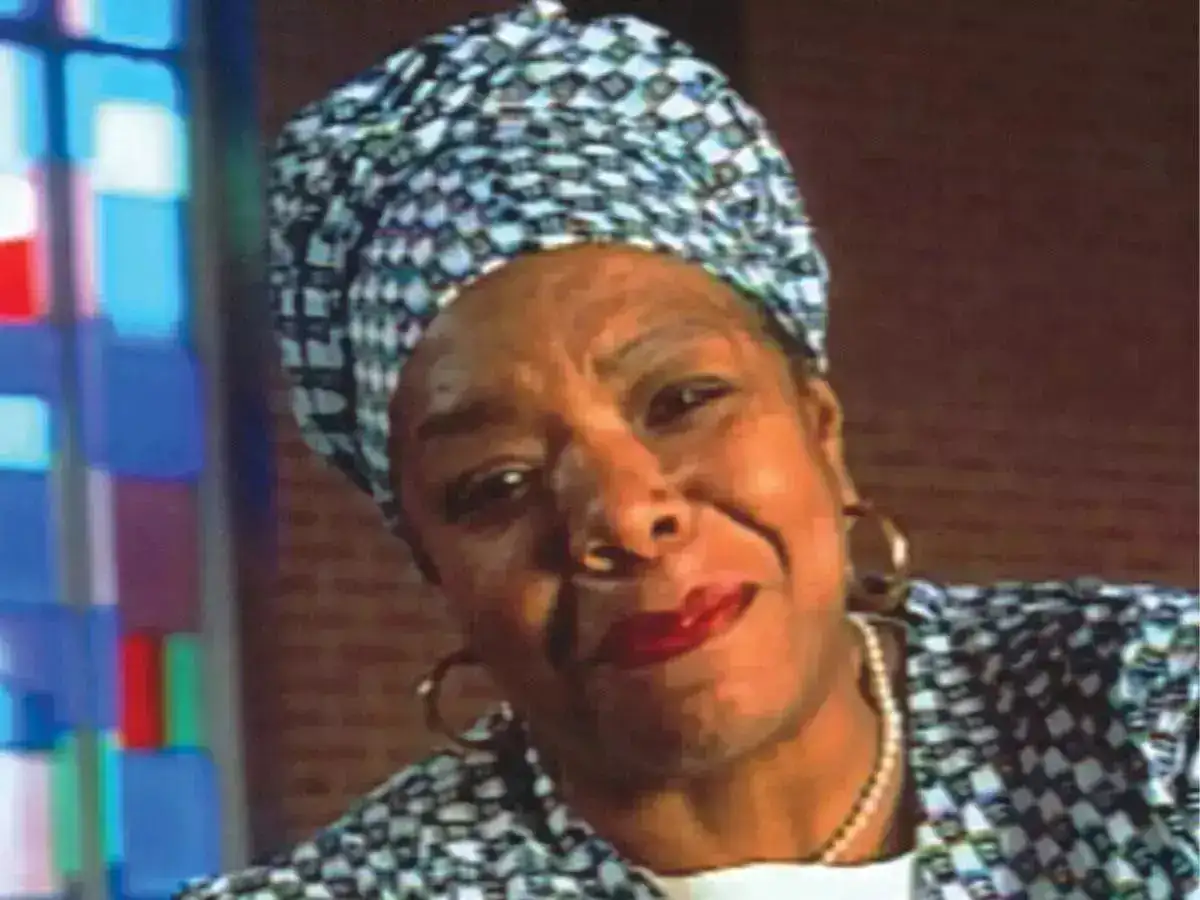
Quote of the Day by Maya Angelou: “Most people don't grow up. Most people age. They find parking spaces, honor their credit cards, get married, have children, and call that maturity. What that is, is aging.”
The quote is widely associated with acclaimed American poet, memoirist, and civil rights activist Maya Angelou.
What the quote is actually suggesting
Maya Angelou isn't dismissing life's milestones. Having a stable job, paying your bills, getting married, or raising children are all important responsibilities. Her point is that these experiences alone don't guarantee emotional maturity.
Real growth is reflected in how we respond to life's challenges. It is learning to accept criticism without becoming defensive. It is taking responsibility for mistakes instead of blaming others. It is showing kindness even when it's difficult, admitting when we're wrong, and continuing to learn no matter our age.
Many people become older without changing the habits, fears, or insecurities they carried in their youth. They may have more responsibilities, but they haven't necessarily developed greater self-awareness, empathy, or emotional resilience.
Angelou's quote encourages us to ask a simple but uncomfortable question: Am I merely getting older, or am I actually growing as a person?
Maya Angelou: The thinker behind the idea
Born Marguerite Johnson in St. Louis, Missouri, in 1928, Maya Angelou lived a life shaped by extraordinary hardship, courage, and reinvention. As a child, she endured trauma that left her unable to speak for nearly five years after she believed her words had contributed to the death of the man who abused her. During that silence, she immersed herself in books, developing a lifelong love of literature and language. With the encouragement of an educated family friend known as Mrs. Flowers, Angelou gradually found her voice again, a voice that would later inspire millions around the world.
Before becoming one of America's most celebrated writers, Angelou worked as a singer, dancer, actress, and cook and became San Francisco's first African American female streetcar conductor. She later joined the Harlem Writers Guild and became active in the Civil Rights Movement, working alongside Dr. Martin Luther King Jr. and Malcolm X.
Her groundbreaking 1969 autobiography, I Know Why the Caged Bird Sings, transformed personal storytelling by honestly exploring childhood trauma, racism, resilience, and identity. The book became an international bestseller and remains widely taught today.
Angelou went on to publish several autobiographies, poetry collections, essays, and screenplays. She also became the first Black woman to have a screenplay produced in Hollywood and read her poem "On the Pulse of Morning" at President Bill Clinton's inauguration in 1993. Over her lifetime, she received more than 50 honorary degrees, the National Medal of Arts, and the Presidential Medal of Freedom, America's highest civilian honor.
Her words carry weight because they were shaped not by theory, but by lived experience.
Maya Angelou's thinking style and philosophy behind the quote
Throughout her life, Maya Angelou believed that personal growth is an ongoing choice rather than an automatic consequence of time. Her writing consistently explored resilience, accountability, compassion, and dignity. Whether she was discussing racism, identity, womanhood, forgiveness, or hope, she encouraged people to become more aware of themselves instead of simply accepting society's definitions of success.
This quote reflects that philosophy perfectly. Angelou believed maturity is measured by character rather than age. Someone can spend decades accumulating responsibilities while never learning empathy, humility, or self-reflection. At the same time, another person may face adversity, learn from it, and develop extraordinary wisdom at a much younger age.
For Angelou, true adulthood wasn't about appearance or status. It was about becoming a better human being.
Why this idea still matters today
Today's world often celebrates visible milestones, job titles, salaries, homes, marriages, promotions, or social media success. These achievements are easy to measure, but emotional growth is much harder to see.
Angelou's words remind us not to confuse external success with inner maturity. In the workplace, the quote encourages leaders to value emotional intelligence alongside experience. In parenting, it reminds adults that children learn more from how we behave than from what we say. In relationships, it highlights the importance of communication, accountability, and empathy over simply growing older together.
For anyone pursuing self-improvement, the message is timeless. Every birthday adds another year to our lives, but only reflection, learning, humility, and compassion help us truly grow up.
Maya Angelou's insight remains as relevant today as ever because it asks a question that each generation must answer for itself: Are we simply aging, or are we becoming wiser with every passing year?