Get all your news in one place.
100's of premium titles.
One app.
Start reading
The Economic Times
The Economic Times

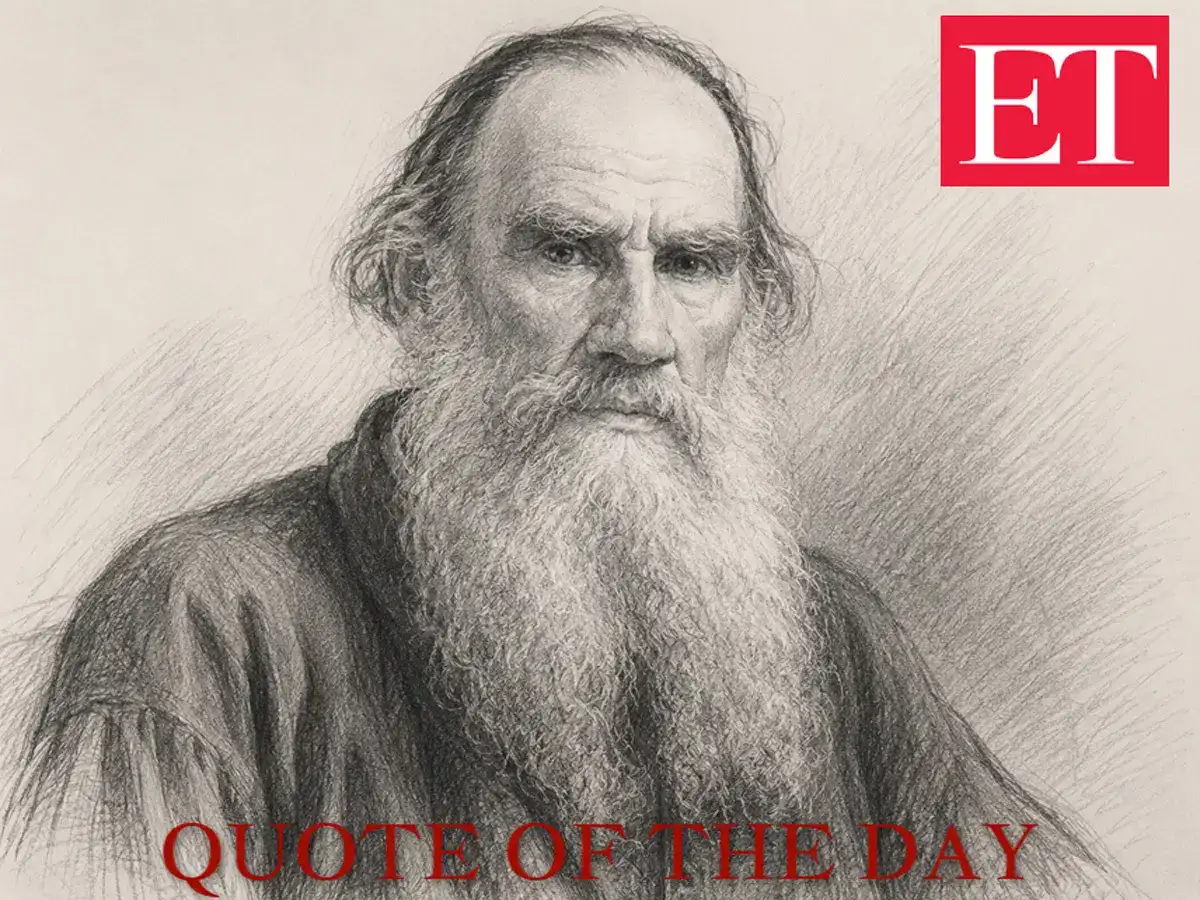
Quote of the Day by Leo Tolstoy: 'True life is lived when tiny...' - How small daily habits build massive long-term transformation

You wake up, scroll through your phone, check your morning schedule, and wonder why another week feels exactly like the last one. Have you ever felt like you are waiting for a massive life event to completely reset your path? Do you keep telling yourself that real progress only happens when you change your career, move to a new city, or overhaul your daily routine overnight? Many people fall into the trap of believing that transformation requires grand gestures, but real inner growth works in a much quieter way.

Quote of the Day: "True life is lived when tiny changes occur"

The quote of the day comes from world famous author Leo Tolstoy, who wrote that true life is lived when tiny changes occur. This simple statement offers a grounding perspective for anyone feeling stuck in the fast pace of modern life.

Why Quote matters today

In a culture obsessed with quick fixes and dramatic overnight success stories, this quote serves as a gentle reminder to slow down. Modern social media feeds show constant highlights of dramatic lifestyle flips, which makes ordinary daily efforts feel small or useless.

Believing that only big shifts matter often leads to burnout, anxiety, and eventual paralysis. Remembering that real human progress happens in micro steps removes unnecessary pressure, making personal growth feel manageable, sustainable, and peaceful every single day.

What quote means in real life

In day to day life, living a full life comes down to tiny micro decisions that rarely make headlines. Choosing to drink an extra glass of water, taking a brief five minute walk, choosing kindness over frustration, or reading two pages of a good book before bed are all tiny choices.

These moments seem insignificant on their own, but they shape habits, mindsets, and overall health over time. Real life is not just the big wedding day or the major job promotion, it is the quiet daily practice of making microscopic adjustments toward a better version of yourself.

Who is Leo Tolstoy

Leo Tolstoy was a legendary Russian writer, thinker, and philosopher. Born in 1828, he was famous worldwide for literary masterpieces like War and Peace and Anna Karenina, he spent much of his later years exploring deep moral, spiritual, and social questions. Despite his high social status and massive worldwide fame, Tolstoy became deeply interested in simple living, personal ethics, and internal self improvement. His deep understanding of human nature allowed him to write about personal growth with profound honesty and timeless wisdom.

Context and meaning of quote

Tolstoy originally explored this idea in his philosophical essay Why Do Men Stupefy Themselves, where he analyzed human consciousness and decision making. He argued that external, dramatic events are merely the final visible results of thousands of tiny internal shifts that happened long before. The true value of human experience does not happen during dramatic outer events, but inside the small, almost invisible choices where conscience, thought, and self awareness quietly adjust.

Life lessons

The biggest lesson from Tolstoy is to respect the power of consistent micro habits. Focus on small daily adjustments instead of waiting for a sudden wave of motivation to fix everything. Embrace patience, because real long term character building takes time and steady effort. Notice your quiet inner thoughts, because every genuine shift in your world begins with a subtle change in your daily choices.

Sign up to read this article
Read news from 100's of titles, curated specifically for you.
Already a member? Sign in here
Related Stories
Top stories on inkl right now
One subscription that gives you access to news from hundreds of sites
Already a member? Sign in here
Our Picks
Fourteen days free
Download the app
One app. One membership.
100+ trusted global sources.