
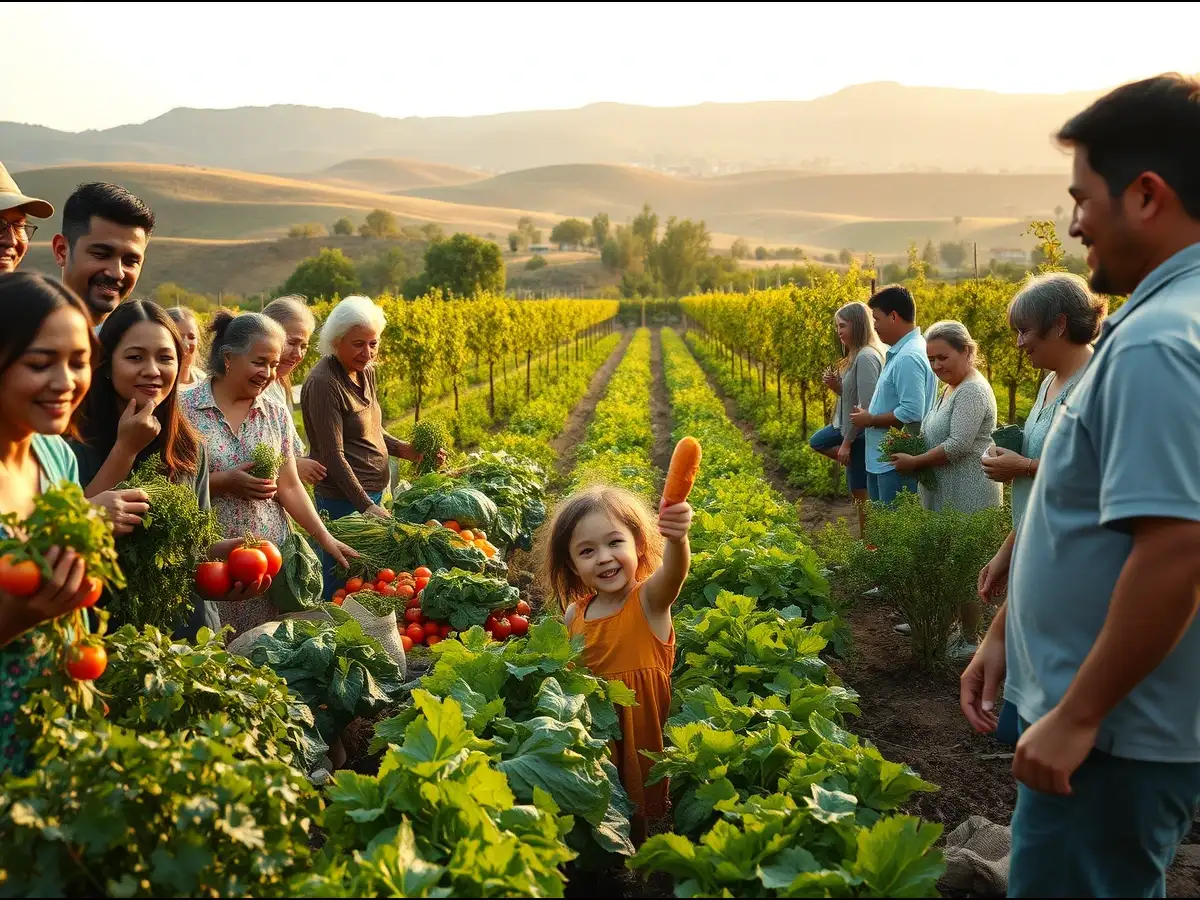
Jean-Jacques Rousseau’s quote, "You forget that the fruits belong to all and that the land belongs to no one," remains a striking reflection on nature, ownership and social inequality. Written centuries ago, the idea still feels remarkably relevant in a world where land, food, natural resources and environmental protection are subjects of intense public debate. Rousseau exhorts readers to think beyond the legal boundaries that define private property and consider a larger question: can something as fundamental as the earth truly belong to one person? His words invite a deeper reflection on the relationship between individual ownership and humanity’s shared dependence on nature.
At the heart of this quote is a distinction between ownership and benefit. People may legally possess land, but the natural systems operating upon it do not recognize property boundaries. Rain falls across fields, rivers cross territories, sunlight reaches every garden, and fertile soil supports life regardless of who holds a deed. Rousseau’s observation suggests that the benefits produced by nature should not be viewed solely through the lens of individual possession. Food grown from the earth ultimately sustains communities, while forests, rivers and ecosystems provide services that extend far beyond the boundaries of privately owned land.














