
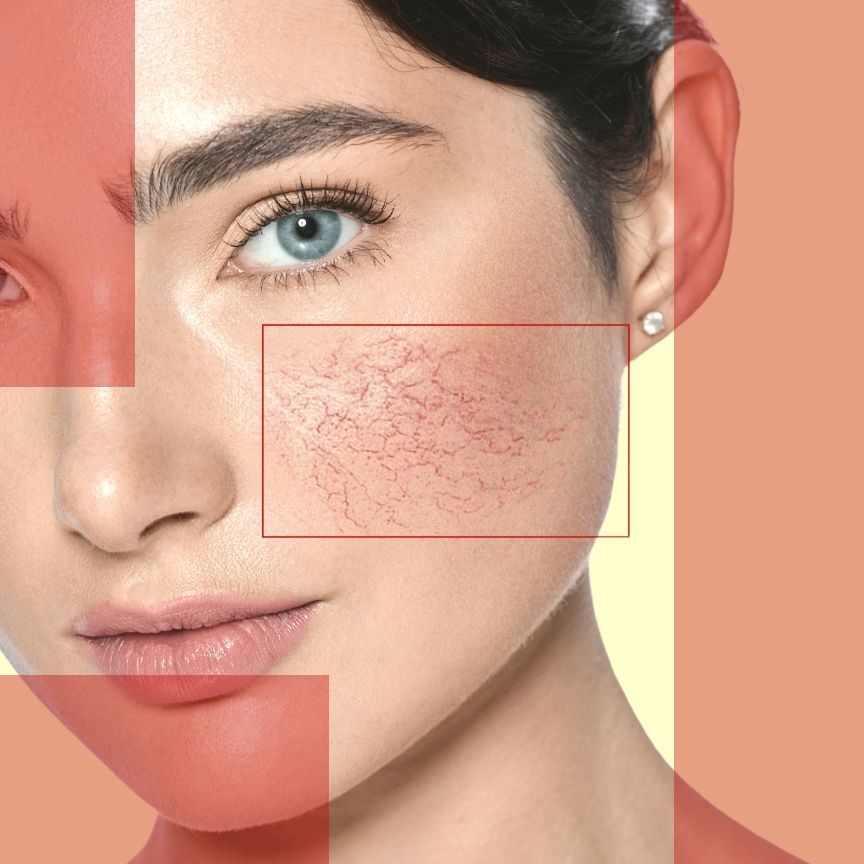
If you’ve ever dealt with persistent redness, you know how stubborn it can be to treat. Whether it’s the flush that never fully fades, broken capillaries that sprout seemingly overnight, or the pink, post-acne marks that linger long after a breakout is gone, vascular redness rarely responds to skincare alone. I personally have cycled through soothing serums, avoided every conceivable trigger, and layered on color-correcting concealer, yet the underlying redness often stays exactly where it is. It's the kind of frustration that makes you rethink your entire beauty routine. At a certain point, it becomes clear that no amount of niacinamide or green-tinted primer can change the actual vessels beneath the surface, which is why my dermatologists recommended considering pulsed dye lasers—or PDL for short—to address this lingering pigmentation.
The treatment has quietly become one of the most trusted tools for tackling redness at its source. And despite its intimidating name, it’s far more straightforward—and far more effective—than you might expect. Dermatologists love PDL for one main reason: it targets the blood vessels responsible for redness rather than the resulting symptoms. The technology has been used for decades, and unlike "do-everything" lasers, PDL has a singular purpose. That specificity is what makes its results so consistent. It's used for everything from rosacea and broken capillaries to the kind of stubborn post-acne redness that refuses to fade. In other words: if it's red, PDL can likely treat it.













