Get all your news in one place.
100's of premium titles.
One app.
Start reading
The Economic Times
The Economic Times
Aastha Raj

Psychology says some women crying and overexplaining themselves during arguments may not be normal: John Bowlby explains reason behind hidden tears

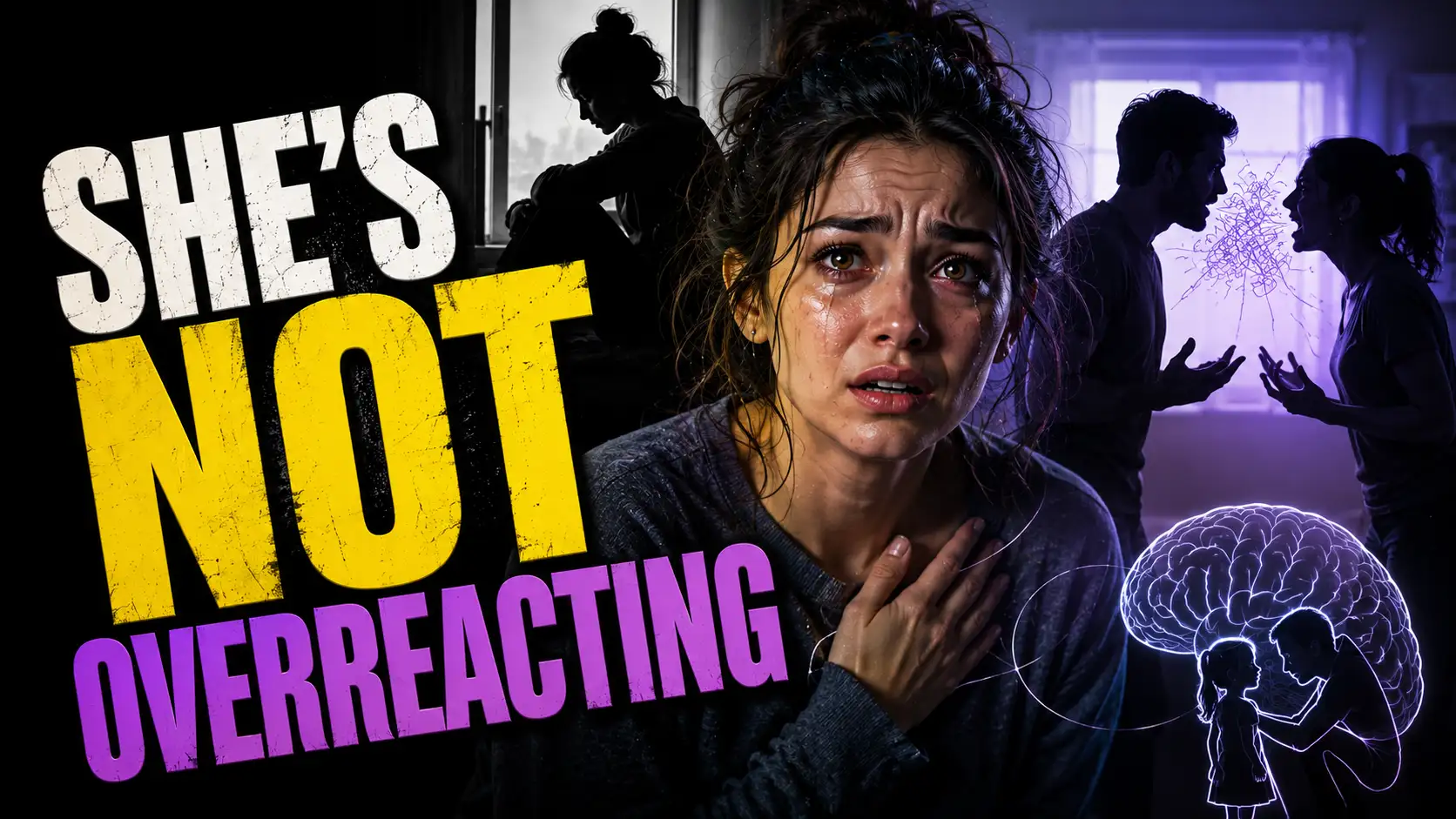
Few things are more misunderstood in relationships than emotional arguments. When disagreements happen, some women find themselves crying unexpectedly, repeating their points, or explaining the same issue over and over again. To an outside observer, it may seem dramatic, irrational, or unnecessary. Psychology suggests something very different.

According to the theories of John Bowlby, the British psychologist who developed Attachment Theory, these reactions maybe connected to emotional security rather than weakness. In many cases, tears and overexplaining are not attempts to manipulate a conversation. They are attempts to preserve connection, gain understanding, and reduce emotional distress.

The key insights from Bowlby's work is simple: when people fear disconnection, they often communicate more intensely, not less.

READ ALSO: Psychology says your best friend might be the worst person to live with and the reason has nothing to do with friendship

Psychology of John Bowlby: Why arguments can trigger attachment fears

Attachment Theory suggests that early relationships teach people how safe and secure they feel with others. These experiences create attachment styles that influence how individuals respond during conflict as adults.

Imagine a fictional example. Emily tells her partner that she feels ignored when he spends entire evenings on his phone. Instead of discussing the issue, he becomes defensive and dismisses her concerns. As the conversation continues, Emily begins crying.

According to attachment theory, her tears may not be about the phone at all. They may stem from a deeper fear that her feelings are not being heard or that the relationship is becoming emotionally distant.

Psychologists often note that conflict can activate attachment systems, making emotional reactions stronger than the actual disagreement itself.

READ ALSO: Psychology says people who dream every night aren’t weird but they may be under a lot of stress and have unhinged emotions

Why some people overexplain during conflict

Another explanation comes from what psychologists call anxious attachment. Individuals with anxious attachment often place high value on emotional connection and reassurance. When they sense misunderstanding, they may feel compelled to explain themselves repeatedly.

Consider a fictional woman named Sarah. During an argument, her partner misunderstands a comment she made. Rather than moving on, Sarah spends the next twenty minutes clarifying exactly what she meant.

Sign up to read this article
Read news from 100's of titles, curated specifically for you.
Already a member? Sign in here
Related Stories
Top stories on inkl right now
One subscription that gives you access to news from hundreds of sites
Already a member? Sign in here
Our Picks
Fourteen days free
Download the app
One app. One membership.
100+ trusted global sources.