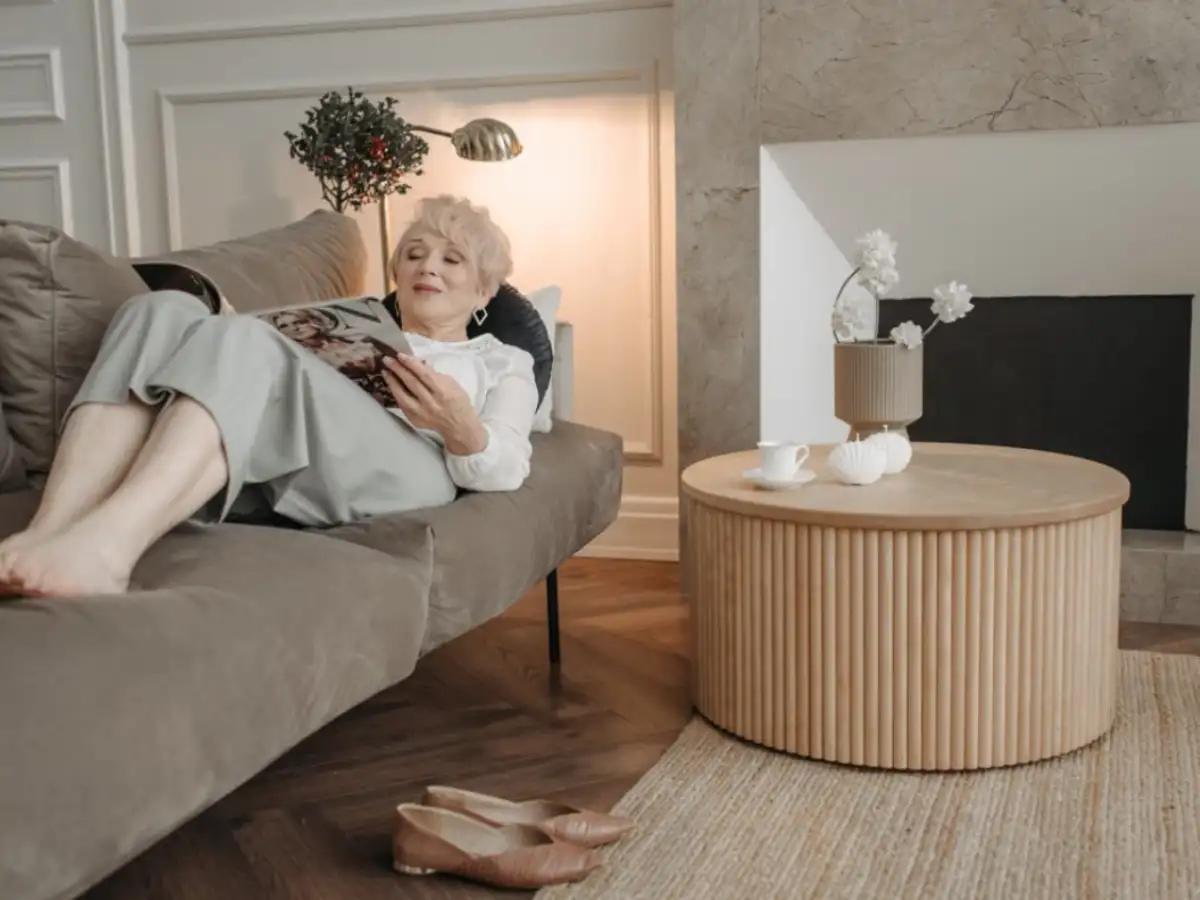
For many people, middle age brings a subtle shift in how energy is spent and restored. Activities that once felt exciting can begin to feel exhausting, while an evening at home that might once have seemed uneventful starts to feel deeply satisfying. Psychology research suggests that this change is not necessarily a sign of withdrawal or declining social interest. Instead, it often reflects a growing awareness of what genuinely supports well-being.
Studies on aging, solitude, and emotional regulation increasingly show that older adults can experience time alone differently from younger adults, often finding it more restorative and emotionally comfortable. For introverts especially, peace in later life may come not from becoming more outgoing but from building routines that align with their temperament rather than constantly pushing against it.