A first group of asylum seekers has been moved into a former military camp in East Sussex, the Home Office has said, amid expectations of further protests and legal challenges.
Crowborough training camp received 27 men in the early hours of Thursday morning, a statement said, which will be scaled up to 500 over several months.
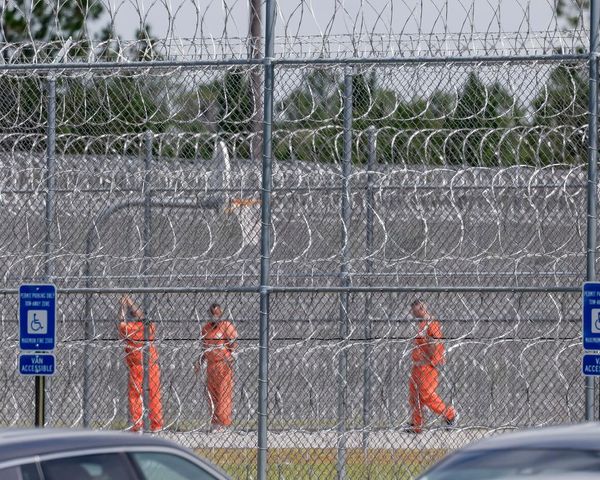
It is one of two military camps identified by ministers to house 900 people – the other being in Inverness.
Using language that reflects the home secretary’s hardline stance on housing asylum seekers, Shabana Mahmood said the move was part of a plan to move people out of hotels and into large-scale accommodation.
“Illegal migration has been placing immense pressure on communities. That is why we are removing the incentives that draw illegal migrants to Britain, closing asylum hotels that are blighting communities. Crowborough is just the start. I will bring forward site after site until every asylum hotel is closed and returned to local communities,” she said.
Campaigners opposed to the Home Office’s decision to place asylum seekers in Crowborough barracks called on the local council to issue a stop notice to halt the move of people on to the site.
Crowborough Shield, which has launched a legal challenge against the decision, says Wealden district council is uniquely positioned to act swiftly, using statutory powers that do not require court intervention.
“We urge councillors to exercise those powers,” the campaigners said.
A Crowborough Shield spokesperson said: “We remain determined to have the home secretary’s decision overturned. Our case has always been about the secretive and improper use of emergency powers to bypass planning law, public scrutiny, and community consultation. As set out in our claim, the occupation of the camp has occurred in precisely the clandestine manner we warned the court it would.”
The latest Home Office figures show the number of asylum seekers being temporarily housed in hotels increased by 13% to 36,273 at the end of September. More than 400 hotels were opened under the last government at a cost of £9m a day. Just under 200 remain in use.
Officials had originally hoped to transfer people to the East Sussex barracks in the first week of December. The move was delayed until January, as reported in the Guardian last month, to ensure the sites were safe and to avoid a fiasco such as when legionella was found on the Bibby Stockholm barge.
The new arrivals are expected to be recent arrivals to the UK, usually in small boats across the Channel.
The accommodation has 24/7 security with CCTV and strict sign-in processes for residents, the Home Office said. They will also have completed health and police checks before arriving at the base.
Hundreds of people have taken to the streets of Crowborough every weekend to protest at the plans to house the undocumented male migrants close to the town.
They have raised almost £100,000 to fund legal action to seek a judicial review of the scheme.
On Wednesday evening, Wealden district council said the immigration minister, Alex Norris, had called to say the plan had been given the green light – a decision which could be challenged in the high court.
The council leader, James Partridge, said: “I told the minister we strongly feel that is the wrong decision. Despite our strong objection the minister hasn’t listened to any of us. We have contacted our legal team to ask them to review the decision to see if there’s any way we can bring a legal challenge to it.
“We know this is a long shot but we have been probing the Home Office throughout the process to see if we can find a way to bring a successful legal action. We will act if our barristers advise there is a reasonable chance of success.”
Nus Ghani, the Conservative MP for Sussex Weald, where the camp is located, said the Home Office’s lack of transparency was “shameful”.
“The Home Office have not bothered to share their evidence of how the site is safe, legal and compliant,” she said.
Kim Bailey, who leads Crowborough Shield, has claimed the Home Office has behaved in an “underhand way” by using special “Q class rights” to bypass normal planning permissions.
Class Q, or permitted development rights, allow the use of a site to be changed without a full planning application or full environmental impact assessment.
Keir Starmer has pledged to end use of asylum hotels by 2029, but was warned by the home affairs select committee in October that the government must set out a clear strategy of how to reduce the use of asylum hotels and have a chance to end the “current failed, chaotic and expensive” system that has wasted taxpayers’ money.
In correspondence to the committee published on Thursday, the government said ending its existing hotel contracts this year through a break clause would require “sufficient alternative supply of accommodation” to ensure continuity of service.
The committee chair, Dame Karen Bradley, said it was welcome the Home Office had “finally started to get a grip” on asylum accommodation contracts.