Around 98,000 horses die annually in the US, with insect-related equine health incidents accounting for a troubling proportion of disease-related deaths. This staggering number reflects more than just a nuisance for stable managers; it represents a shifting landscape of biological threats that require immediate attention. As climate patterns evolve, the window for traditional pest management is closing, leaving horses vulnerable to an array of neuroinvasive diseases.
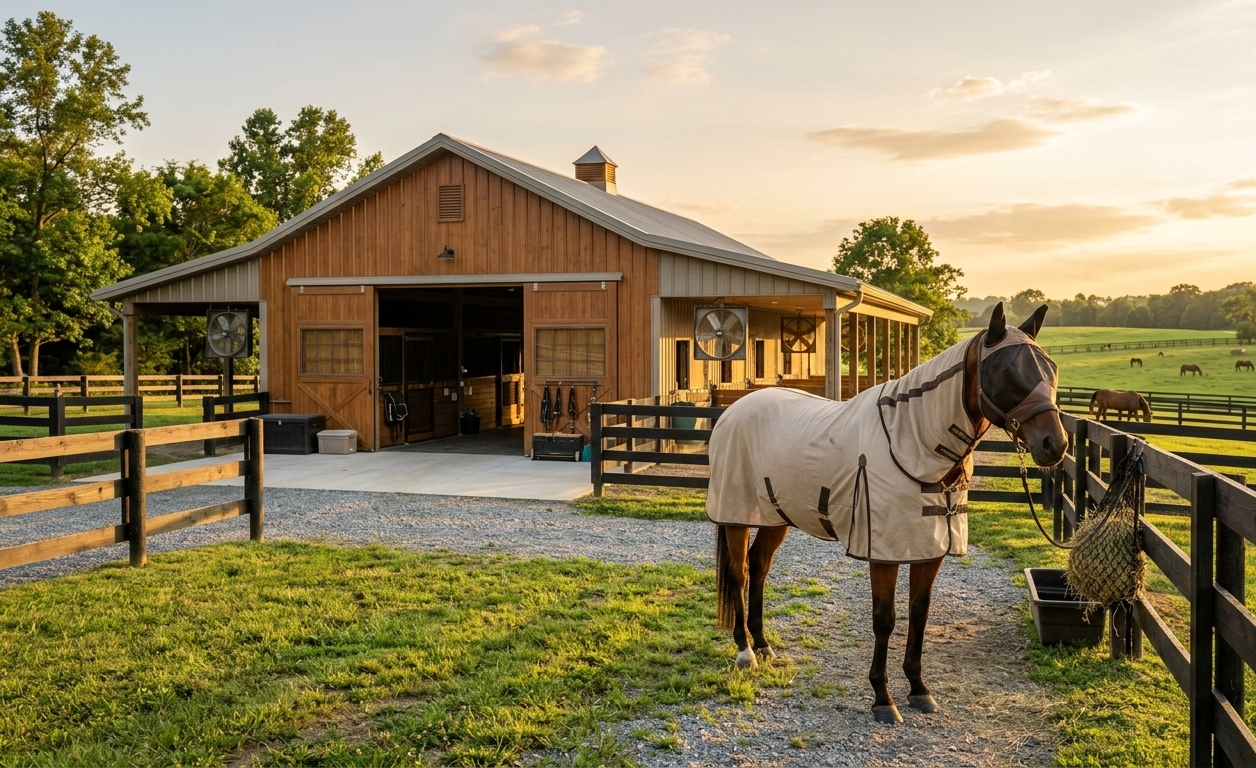
Image Source: Google Gemini
The Current Concerns
An increase in West Nile Virus cases during the 2025 season impacted both horses and humans, with cases reported to the CDC topping 2,000. While many infections remain mild, one in 150 cases becomes neuroinvasive and potentially fatal for the animal. Taking early action makes sense since the climate is shifting, and consistent prevention remains the only reliable safeguard for a herd.
Targeted Strategies for Stable Management
Effective fly control begins long before the first swarm appears in the late spring. Experts now suggest starting biological management programs as early as March to prevent summer population explosions. These programs often involve the introduction of natural predators or the use of specific bacterial agents to disrupt the insect life cycle.
A proactive approach to hygiene significantly reduces the environmental load of biting pests. Stable managers should focus on these core environmental controls:
- Remove standing water from buckets and troughs daily
- Implement a strict manure management schedule
- Utilize high velocity fans in stalls to disrupt flight paths
Choosing a natural horse fly spray allows for frequent application without the worry of harsh chemical buildup on sensitive skin. These formulas often use essential oils such as peppermint or citronella to provide a breathable barrier against stable flies and mosquitoes. Because of rising disease pressures, surveillance and mapping of mosquito travel are now considered essential for modern farm biosecurity.
Reducing Risks Through Pasture Rotation
The physical location of a horse during peak insect activity hours determines their overall exposure level. Pasture rotation serves a dual purpose by preserving forage quality and moving animals away from low-lying, damp areas where larvae thrive. By keeping horses in higher, windier paddocks during the humid months, owners can naturally decrease the frequency of bites.
Grooming routines offer the best opportunity to check for early signs of irritation or swelling. Early detection of a reaction can prevent a minor bite from turning into a systemic infection or a case of "sweet itch."
Mechanical Barriers and Physical Shields
While chemical and natural sprays provide a necessary layer of defense, physical barriers offer the most consistent protection against aggressive biters. Fly masks, veils, and lightweight mesh sheets serve as a literal armor that prevents insects from ever making skin contact. These tools are particularly effective for horses with sensitive eyes or those prone to midline dermatitis from "no-see-ums" in the pasture.
Equine skin is incredibly thin, and physical mesh blocks access, which is why total coverage ensures maximum comfort. Choosing a high-visibility mesh allows the horse to navigate the field safely while keeping the face and ears free from irritation. Even in farms set up to benefit from a mixture of livestock and agriculture, it’s worth making sure each component gets treated with the same level of care.
Optimized Barn Ventilation and Airflow
High-velocity fans do more than just cool a horse during a heatwave; they create a turbulent environment that flies cannot navigate. Most flying insects are weak fliers and struggle to land or stay airborne in a consistent breeze. Positioning industrial-grade fans at the end of barn aisles or directly above individual stalls creates a safe zone of moving air.
Safeguarding the Herd Long Term
Biosecurity is no longer a luxury reserved for elite racing stables or international shipping hubs. With West Nile Virus now confirmed in regions as far north as Denmark, the geographical boundaries of insect-borne risks have officially vanished. Maintaining a rigorous vaccination schedule is the final line of defense against these migrating vectors.
The posts on our site cover a huge variety of topics, including agriculture and livestock news, so keep reading and discover the latest stories and insights across industries.