
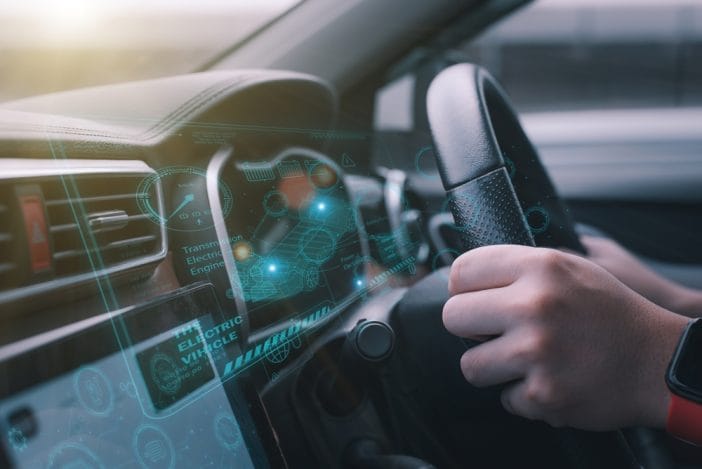
Modern cars don’t just drive anymore—they record, analyze, and transmit information in real time. Many vehicles now include built-in telematics systems that track location, speed, braking patterns, and even driving habits. That data often flows to automakers, insurance companies, and sometimes law enforcement under legal requests. Drivers often don’t realize how much digital information their car quietly generates every time the engine starts. The convenience of connected features often comes with a hidden tradeoff in personal data exposure.
Law enforcement agencies sometimes request telematics records during investigations, especially in serious incidents involving crashes or theft. Insurance companies also rely on this data to assess risk and adjust premiums. These systems don’t operate in secrecy in a criminal sense, but they do operate in the background without constant driver attention. That reality creates growing concern about privacy, control, and how much data collection feels reasonable. The key issue centers on how drivers can manage these systems legally while still keeping modern car features functional.