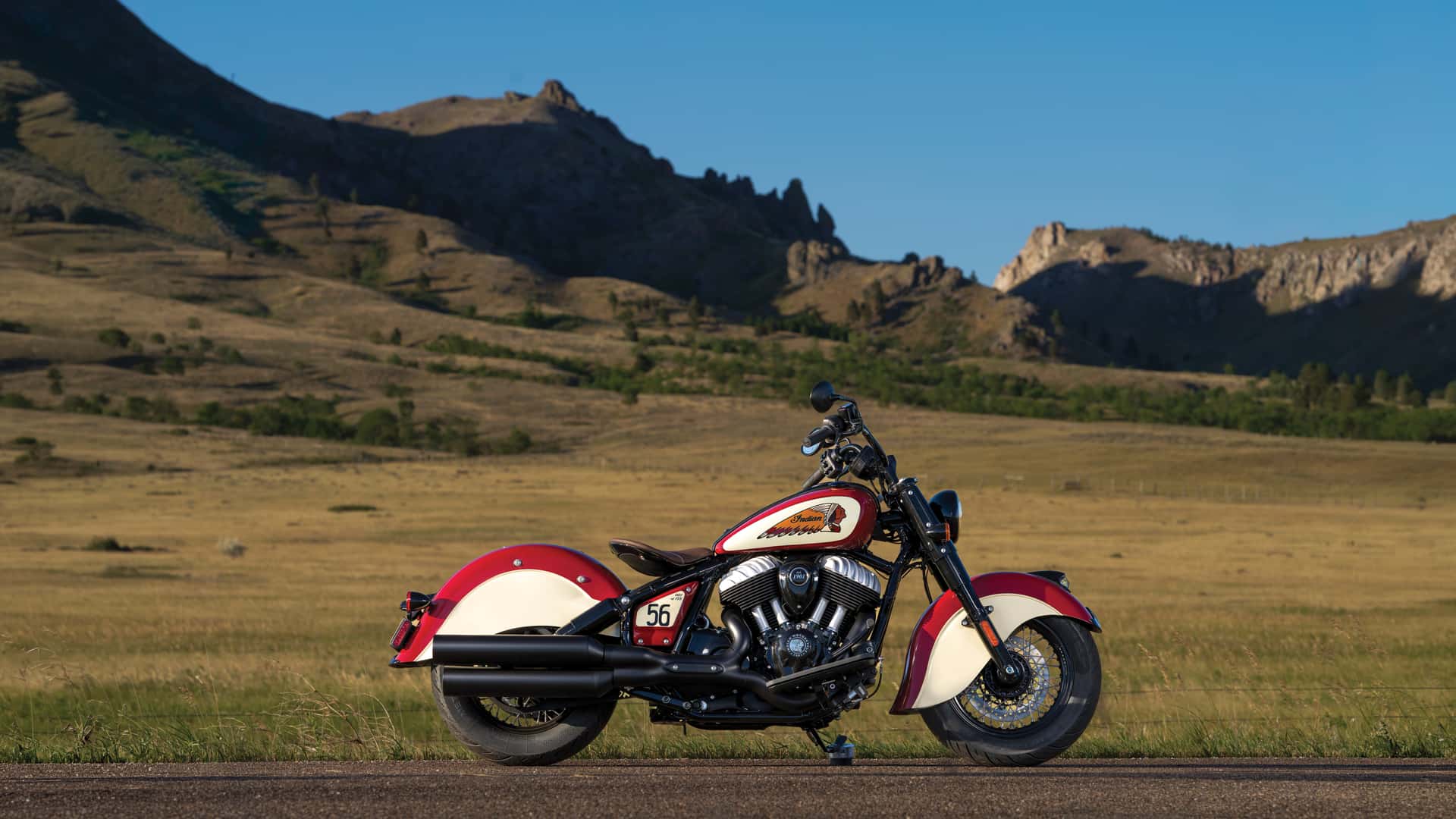
Last year, Polaris sold its majority stake in Indian Motorcycle, the brand it revived a decade plus ago, to the private equity firm Carolwood LP. The terms of the sale were never disclosed, only that Polaris would remain a minority stakeholder, Carolwood would assume the directional management of the brand, and Polaris would help maintain operations on an interim basis while Carolwood figured out how to manage a motorcycle brand.
That line of succession has slowly been dwindling, however, with joint plants closing, operations being transferred completely to Carolwood staff, and now, according to Polaris' latest SEC filing, the closing of its Indian Motorcycle engine and motorcycle plant in Vietnam.
The closure marks just the latest development in Polaris' separation from Indian, and it's unclear how this will affect the motorcycle company going forward, however.
According to reporting from The Investor, "U.S. powersports maker Polaris plans to divest its motorcycle manufacturing facility in Vietnam as part of a broader withdrawal from its core motorcycle manufacturing operations, according to the company's filing with the U.S. Securities and Exchange Commission. The Vietnam plant was classified as part of a disposal group held for sale alongside Polaris's Indian Motorcycle business, following the company's decision to sell a majority stake in the motorcycle brand."
The plant, located in the Phu Tho province, only began producing motorcycles and motorcycle engines in 2023, with the aim of manufacturing 10,000 motorcycles per year, along with 30,000 "large displacement" engines. But that only occurred for a short two years before the sale. Whether the plant was offered as part of the original deal with Carolwood is unclear, but given Indian Motorcycle's lackluster sales, a second operational plant, which would also likely incur the wrath of the current tariff fiasco, was likely not a high priority to keep running.
Add that Polaris no longer sells anything for the road aside from the Slingshot three-wheeler, and there's no need for a Vietnam-based production facility.
What, if anything, this means for the continuation of Indian Motorcycle isn't yet known. What we do know is that sales have collapsed, Canada recently imposed a 50% retaliatory tariff on it and its main competitor, Harley-Davidson, its political-style attack ads backfired with consumers, and it's been almost full radio silence for months aside from a $4,000 special edition paint job.