
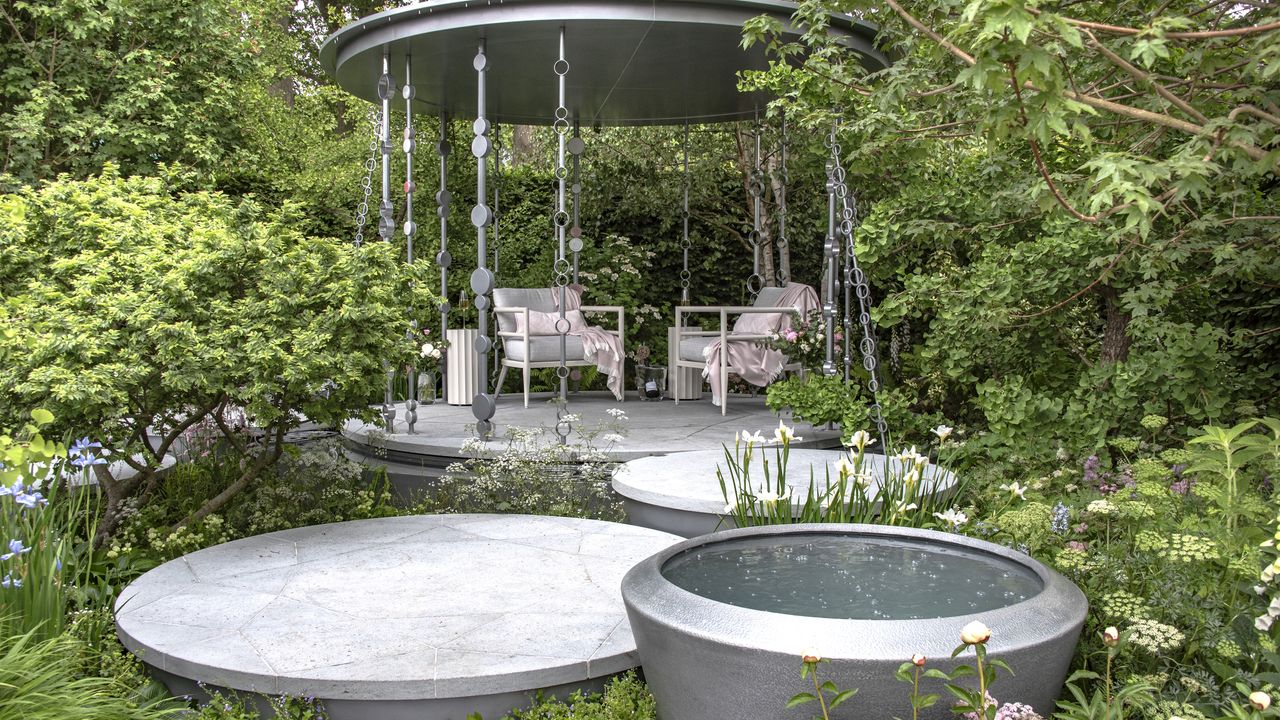
When temperatures rise in the summer, your garden can provide respite. Carefully choosing the right plants helps make the garden feel cooler in the heat by providing crucial shade and creating a more pleasant microclimate.
Trees, shrubs, and climbers add height and dappled shade, while foliage and ground cover plants reduce the ground's reflection and absorption of heat. Also, all plants have a clever trait and release moisture into the air through transpiration to cool the environment around them.
Homeowners all want to spend more time outdoors during the summer. When you surround seating or dining areas with plants that cool a garden, you can beat the heat. As our climates are warming, adapting your backyard ideas will make a big difference each summer.
Shade Trees

Trees cool a garden by providing shade, reflecting sunlight, and transpiration, releasing moisture through their leaves.
Adding shade trees to a space will reduce summer temperatures, as the canopy blocks the rays from reaching the ground and warming it. The continuous release of water into the air as the tree transpires also helps keep temperatures feeling cooler through the garden.
The best trees have attractive, airy foliage that gives dappled garden shade rather than completely blocking light into the garden. The downside: it may take many years for a tree to reach its full size.
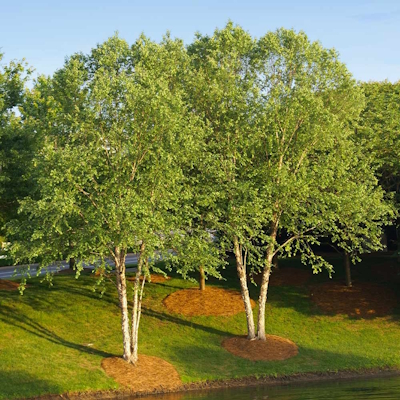
The Heritage river birch is a fast-growing tree that grows 2-3 feet per year. It is tolerant of many soil types and offers unique peeling bark while providing dappled shade.
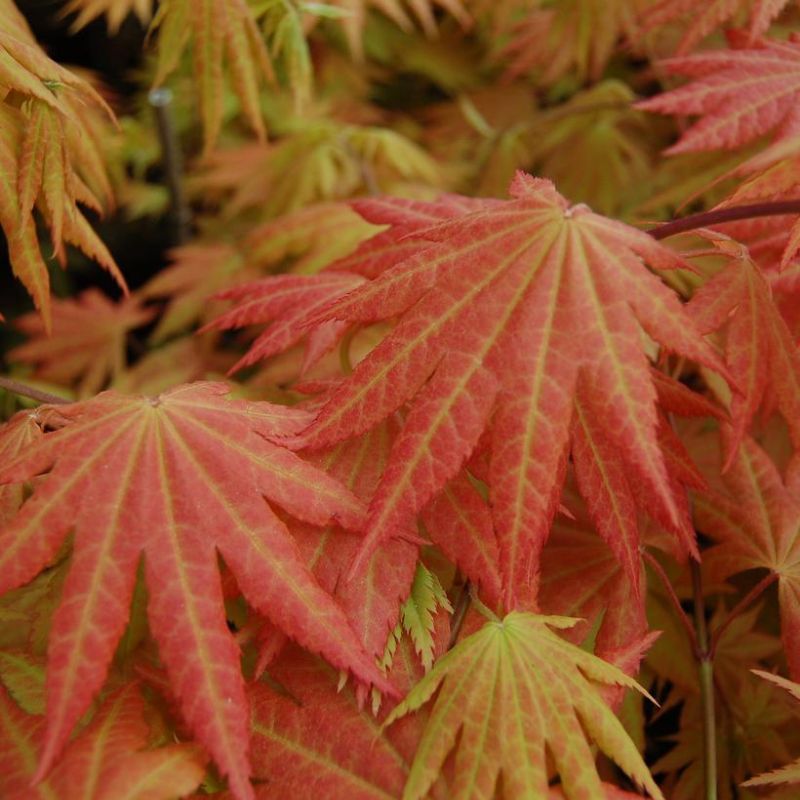
An Autumn Moon Japanese maple reaches 10-12 feet and can provide shade in a smaller garden. The foliage starts orange and turns a deep orange and red in the fall.
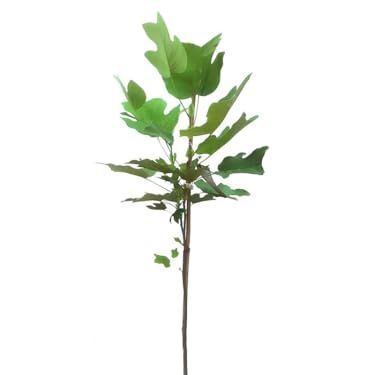
A tulip tree can grow two feet per year, has distinctive lobed leaves, and delightful tulip-shaped flowers. It offers a tall, elegant option for garden shade.
Flowering Shrubs
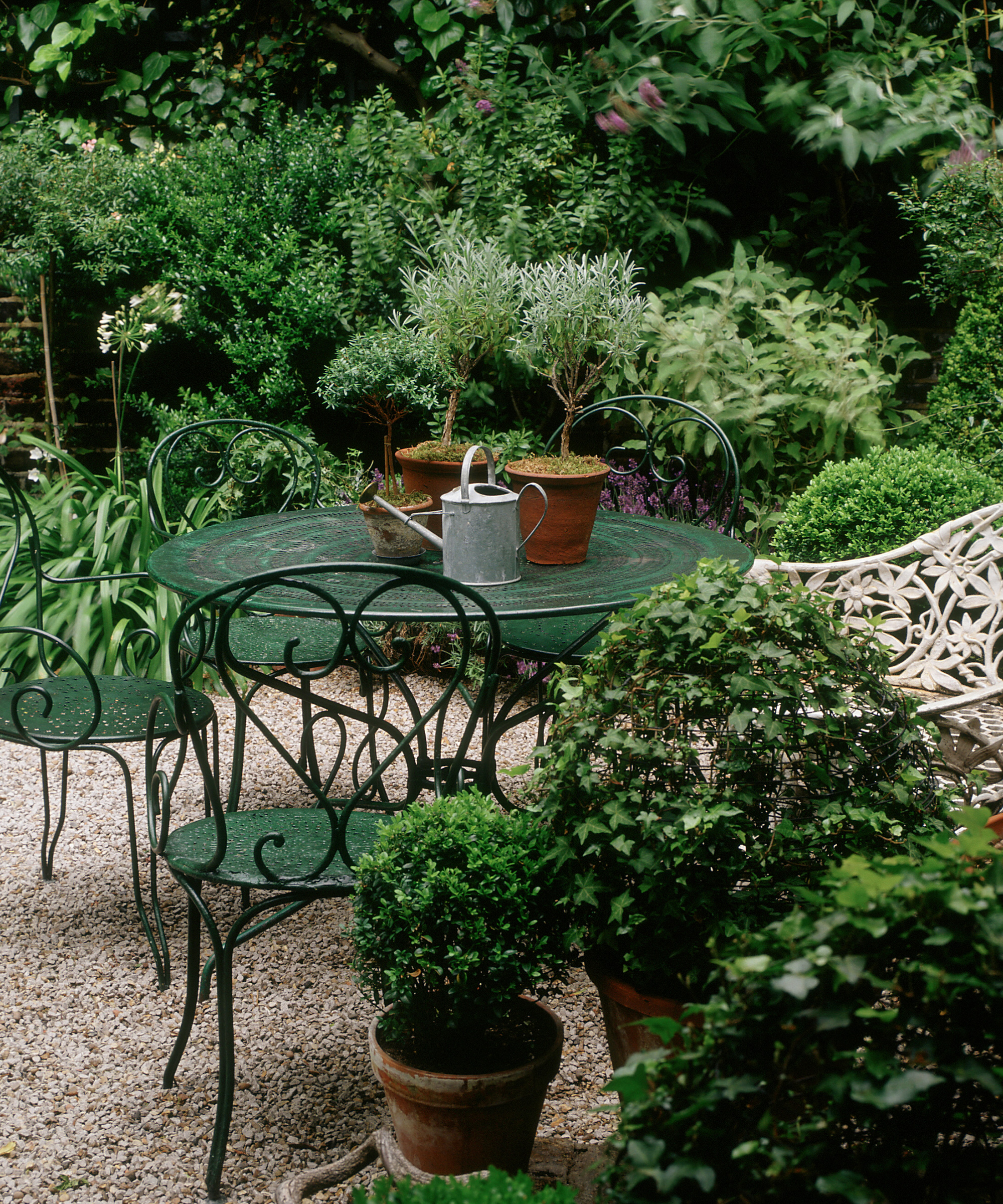
The benefits of transpiration can further be felt closer to ground level by planting shrubs underneath taller tree canopies.
As the shrubs release moisture, the air temperatures around them cool. By planting flowering shrubs around a deck, patio, or seating area, you can enjoy the fragrant blooms and also relax in the knowledge that the plants are contributing to a cooler microclimate to enjoy.
Choose shrubs that won’t grow any more than 4-8 feet in height, or you can achieve the same by planting ornamental grasses around relaxing areas of the garden.
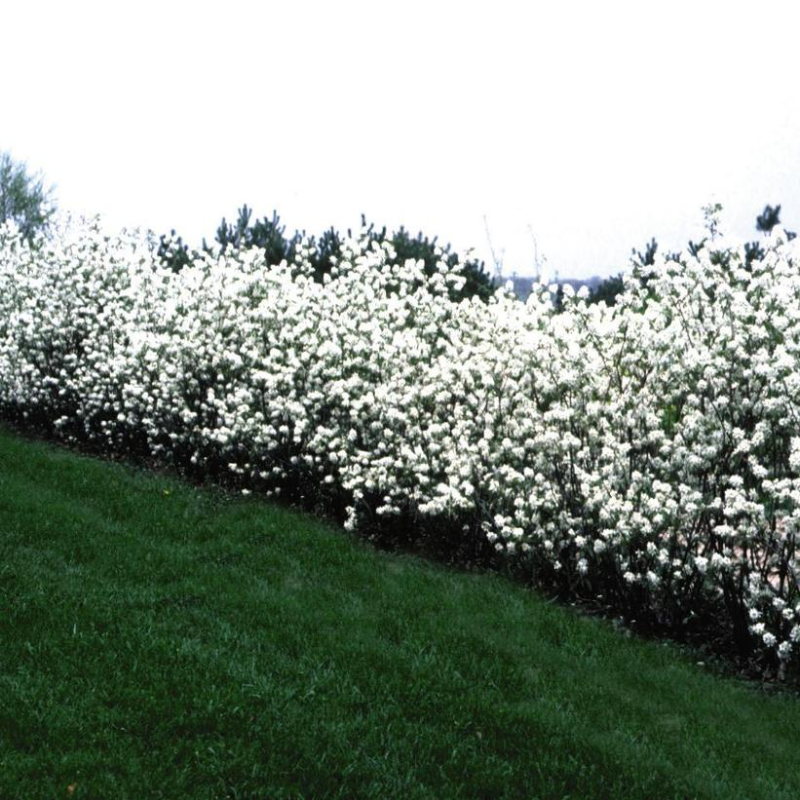
A Regent serviceberry reaches 4 to 6 feet wide and tall at maturity. It is covered in white flowers in spring and also gives an abundant crop of tasty berries.
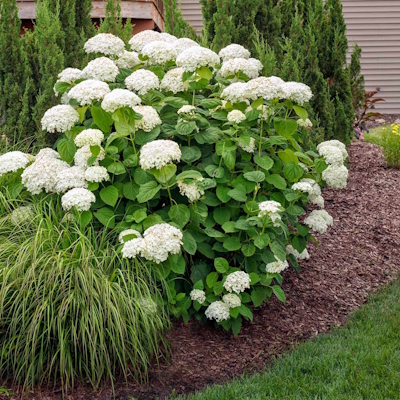
Annabelle is one of the most popular hydrangea varieties, thanks to its large, round white blooms from summer to fall. It is cold hardy down to Zone 4.
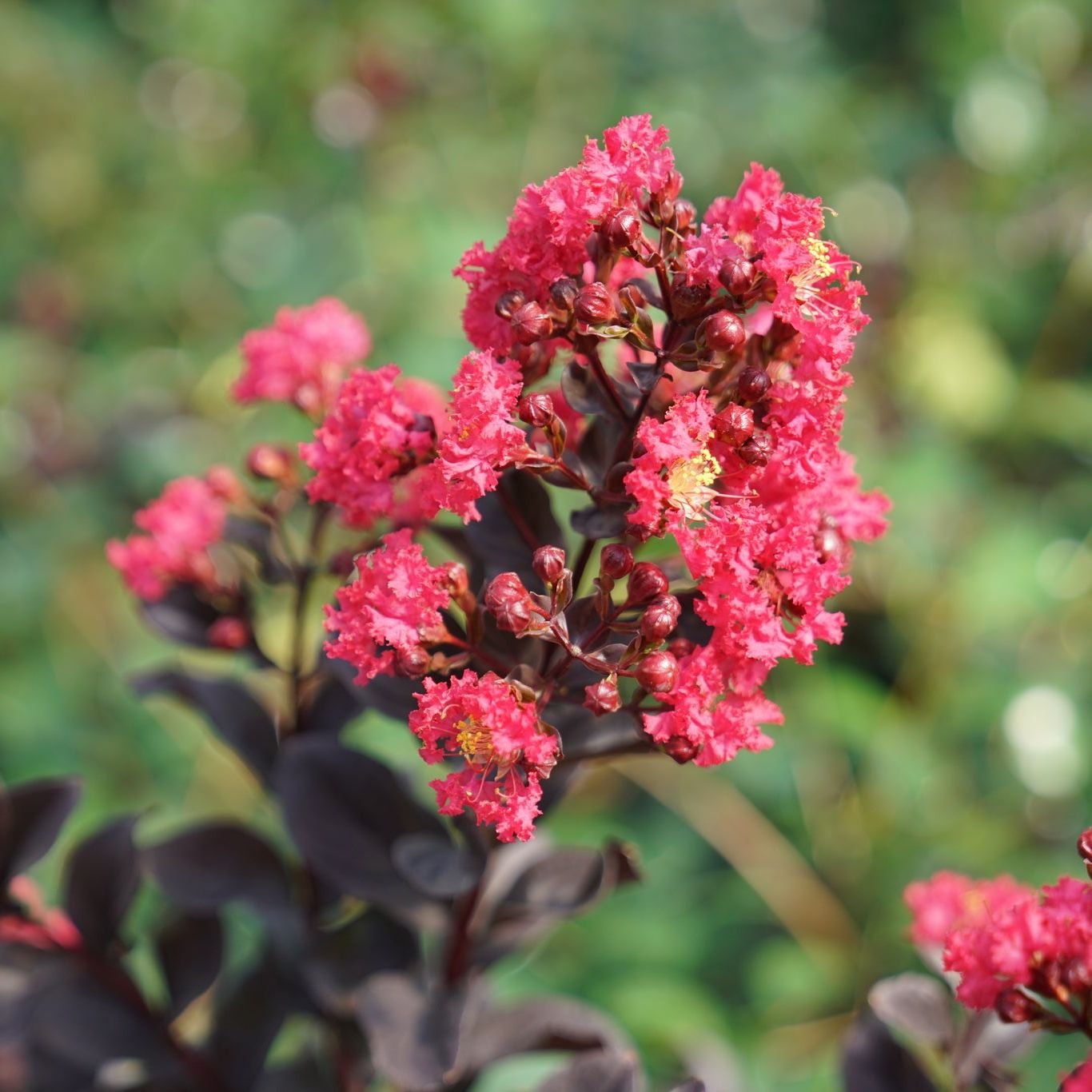
This crape myrtle will add drama to any space with its bright pink flowers set against dark foliage. It blooms earlier and longer than other varieties and makes a bold specimen plant.
Flowering Climbers
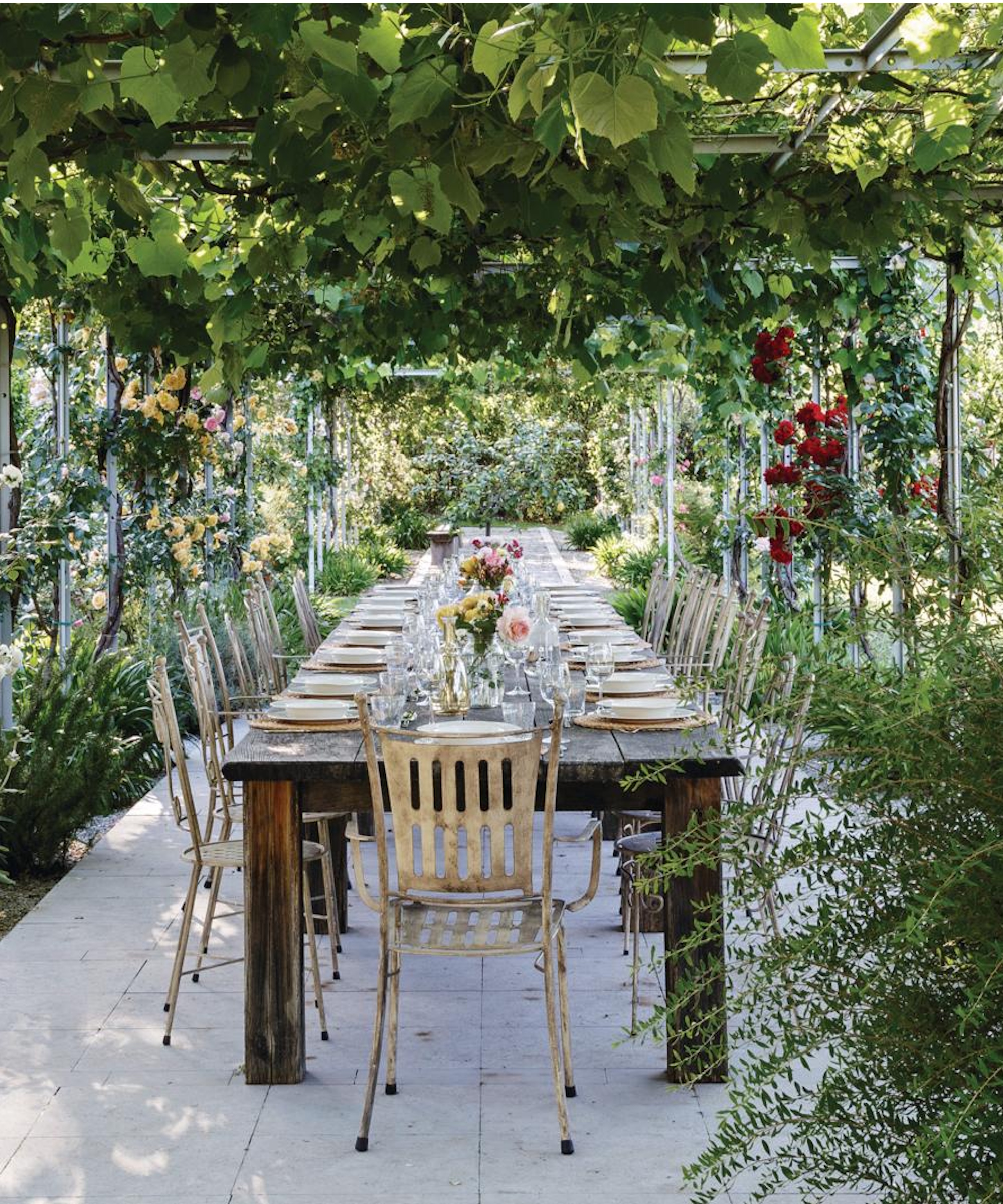
Growing fast-growing climbers on a pergola, archway, fence, or wall helps reduce the heat building up in a garden and creates a cooling, serene environment – especially if you use fragrant climbers like star jasmine or honeysuckle.
Climbers growing over a pergola, arbor, or arch provide natural, elegant shade over a seating area. The foliage blocks the sun’s rays, creating a cooler environment to enjoy.
When the flowering climbers are allowed to grow up walls or fences, they prevent the sun from hitting bricks or concrete and radiating heat back outwards.
Bare walls absorb heat and radiate this for many hours, and covering them with climbers keeps both the outdoors and indoors cooler.
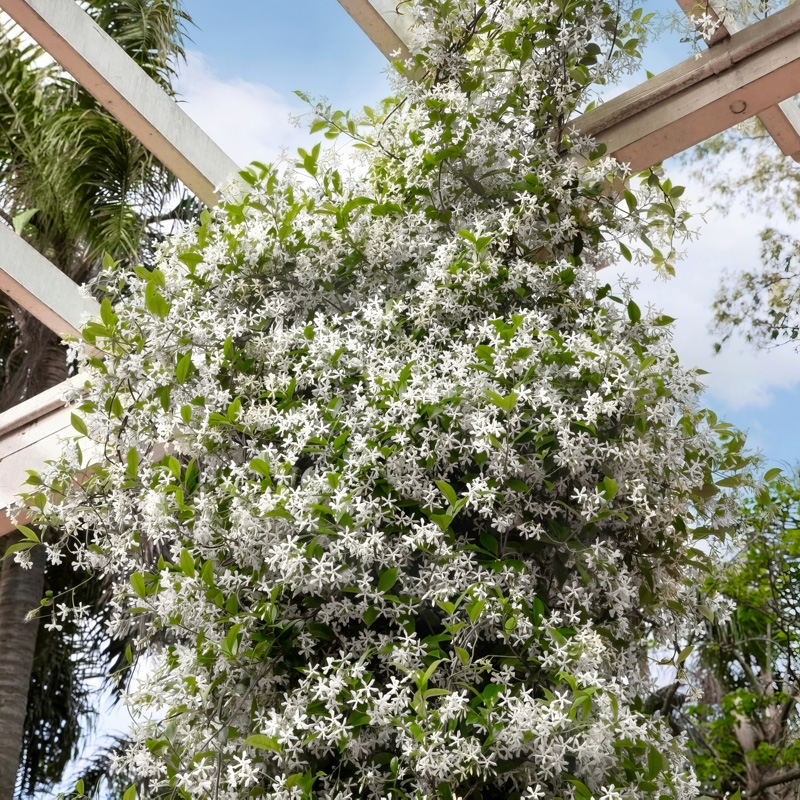
Star jasmine is a fast-growing evergreen vine that enlivens a space with deep green leaves that give dappled shade and fragrant, star-shaped white flowers.
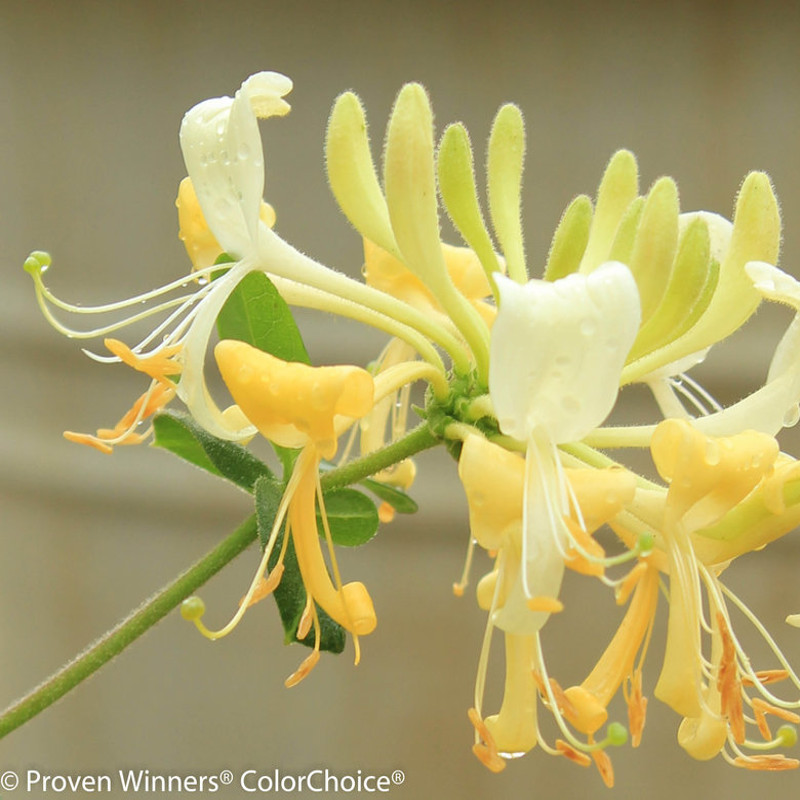
Scentsation is a stunning non-invasive honeysuckle with strongly scented creamy-white and yellow flowers from mid-spring through to late summer.
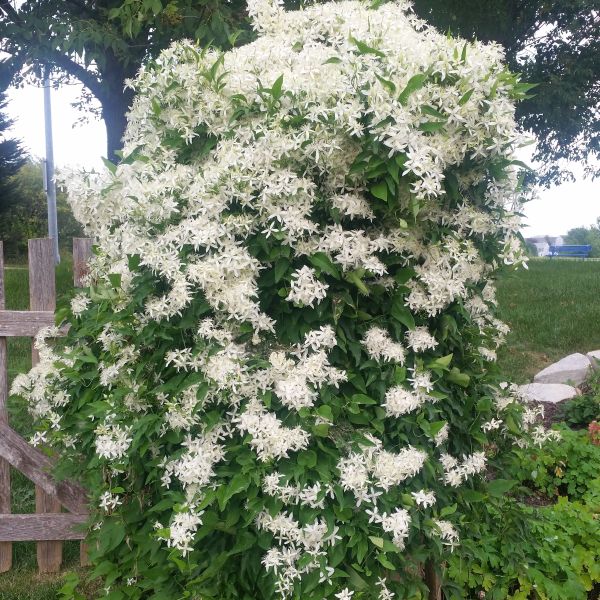
Sweet autumn is a fast-growing clematis variety, and its white flowers fill any space with the glorious smell of citrus. It also has feathery seed heads for late-season interest.
Foliage Plants
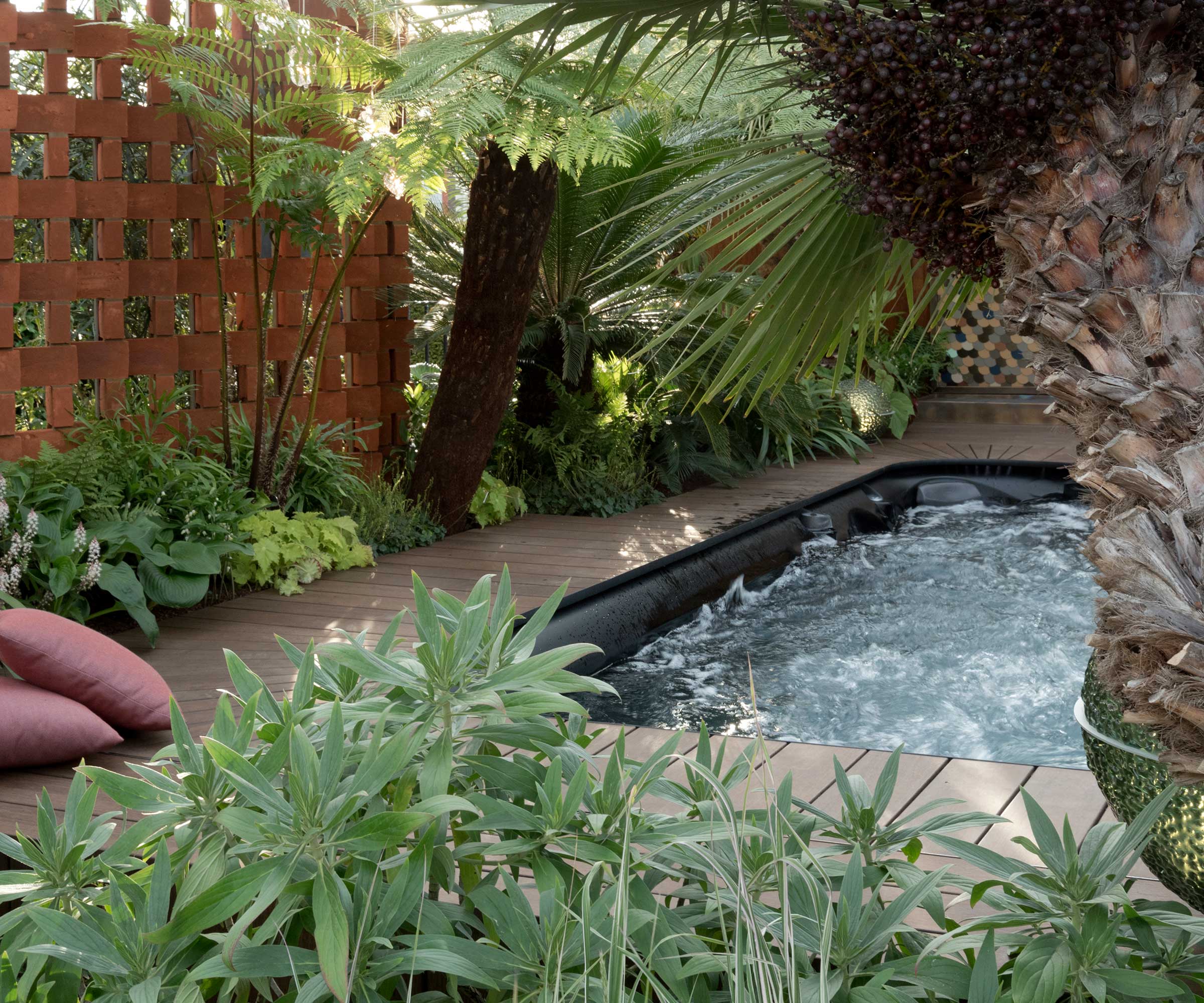
Large-leaved foliage plants can bring a tropical garden vibe to any space. They create shade, stop the sun from hitting the ground, and transpire through the pores in their foliage to cool the air around them.
You can grow foliage plants in the ground or in containers to create a cooling microclimate on a deck or patio; just ensure you water them regularly to keep the soil moist in summer.
The choices on offer range from large banana plants that will dominate a space and make a stunning talking point to hostas, which might not grab the same attention but can be planted in numbers to smother the ground and release moisture in the air.
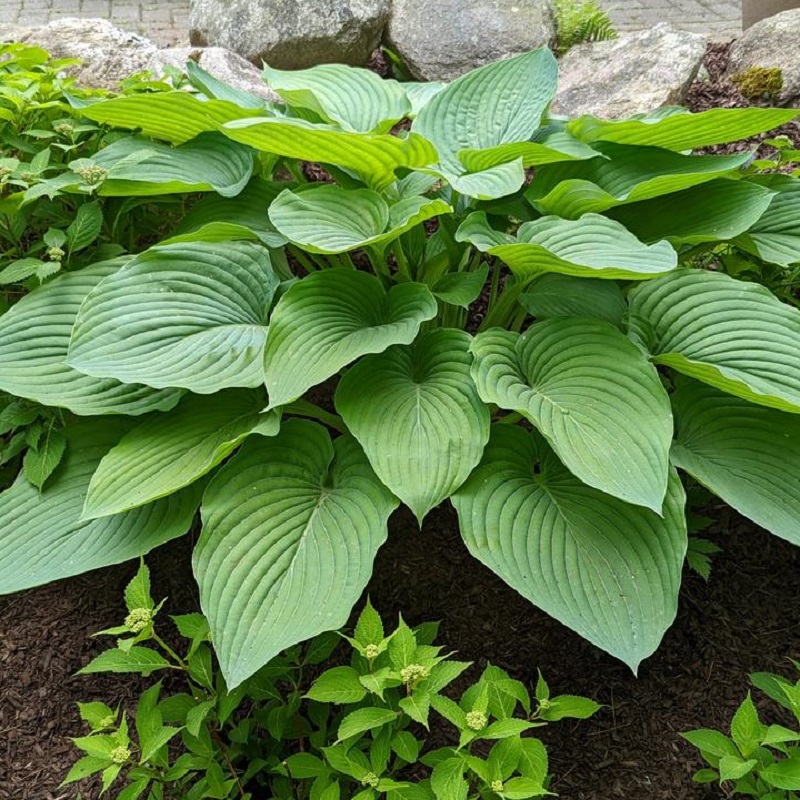
Empress Wu is regarded as being the tallest-growing hosta in the world, reaching up to three or four feet in height. It's impressive foliage covers a wide span.
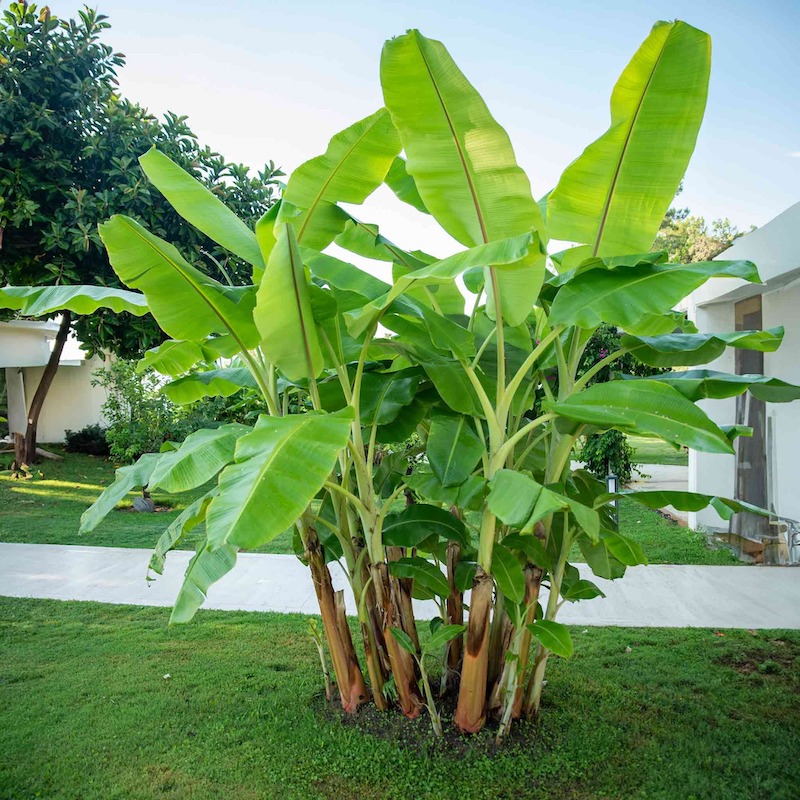
A Musa basjoo will reach 10–15 feet tall and 10–20 feet wide. It is cold-hardy and offers a tropical look for gardeners in cooler growing zones.
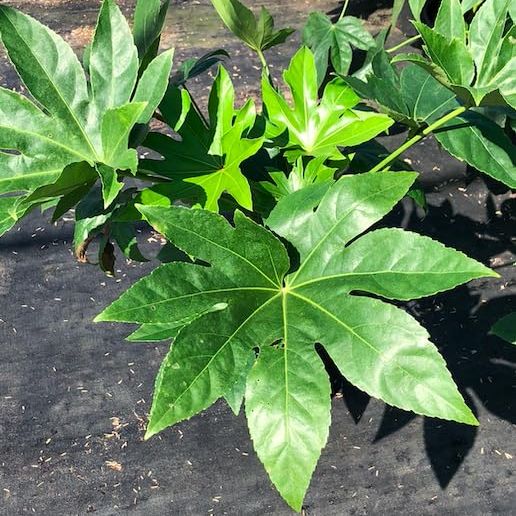
Fatsia japonica is an evergreen shrub grown for its large, lobed leaves. It has a tropical look and also produces white flowers and black fruits in the fall.
Ground Cover Plants
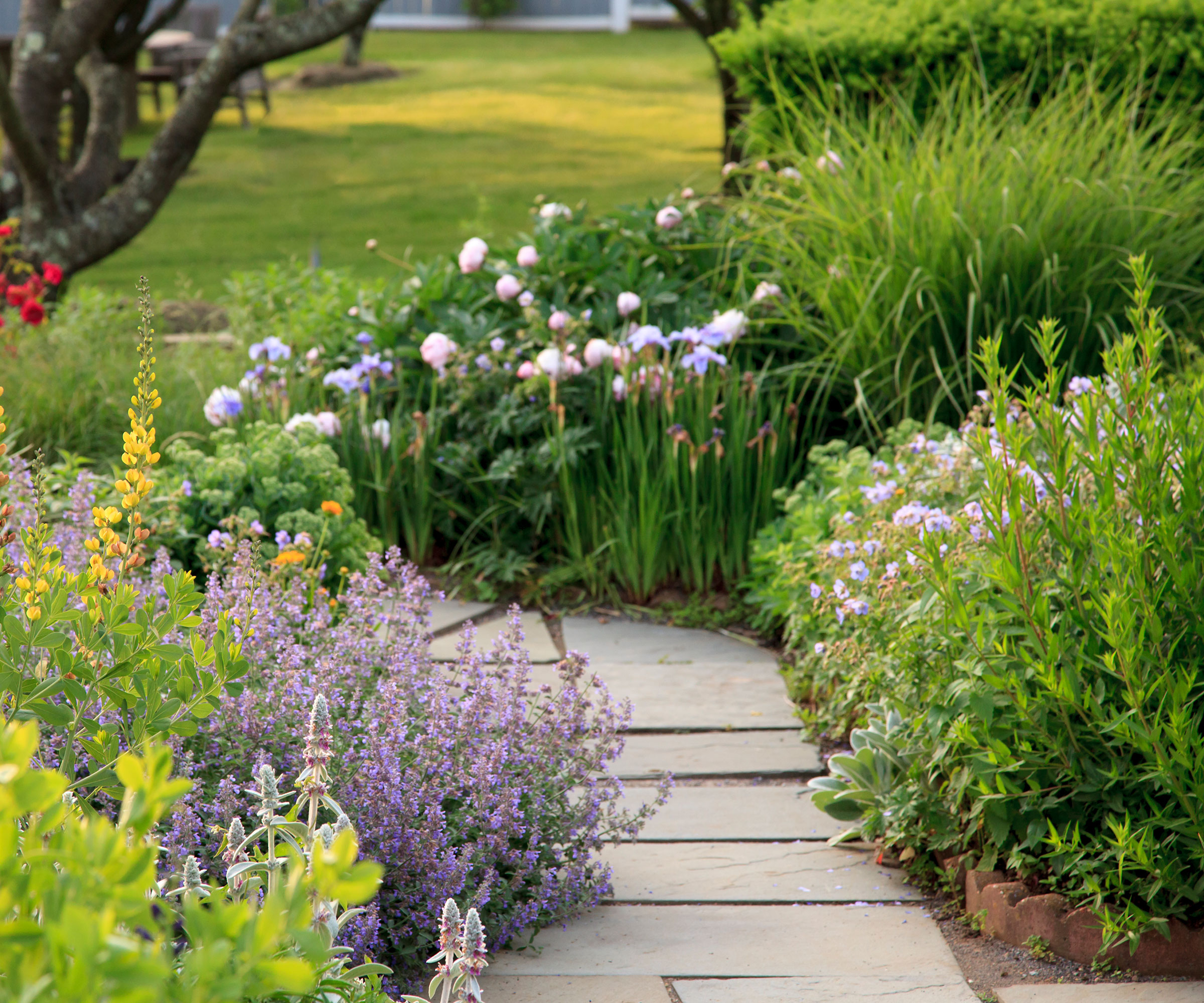
Bare soil absorbs heat during the day and radiates it back to the air once the sun goes down. To prevent the soil from warming up, the most efficient way to keep it cool is to use ground cover plants.
A living carpet will not only look much nicer than open ground, but it will naturally transpire and cool the air, creating a much more comfortable environment than bare soil or stones.
You can get ground cover plants with different colors and foliage shapes. Covering the soil also retains moisture, which reduces how much watering you need to do in the heat.
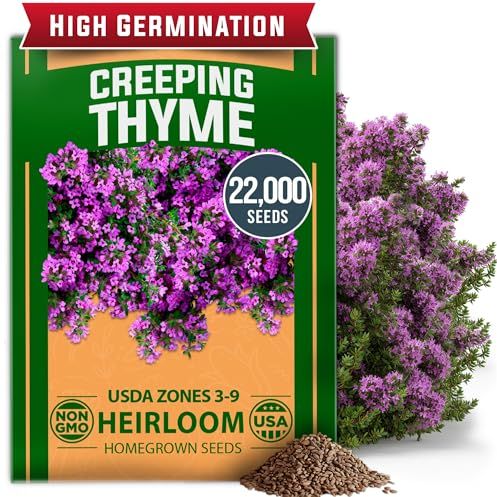
Creeping thyme is a fast growing ground cover plant that releases a gentle fragrance when touched. These seeds germinate quickly and produce a dense mat of foliage and purple blooms.
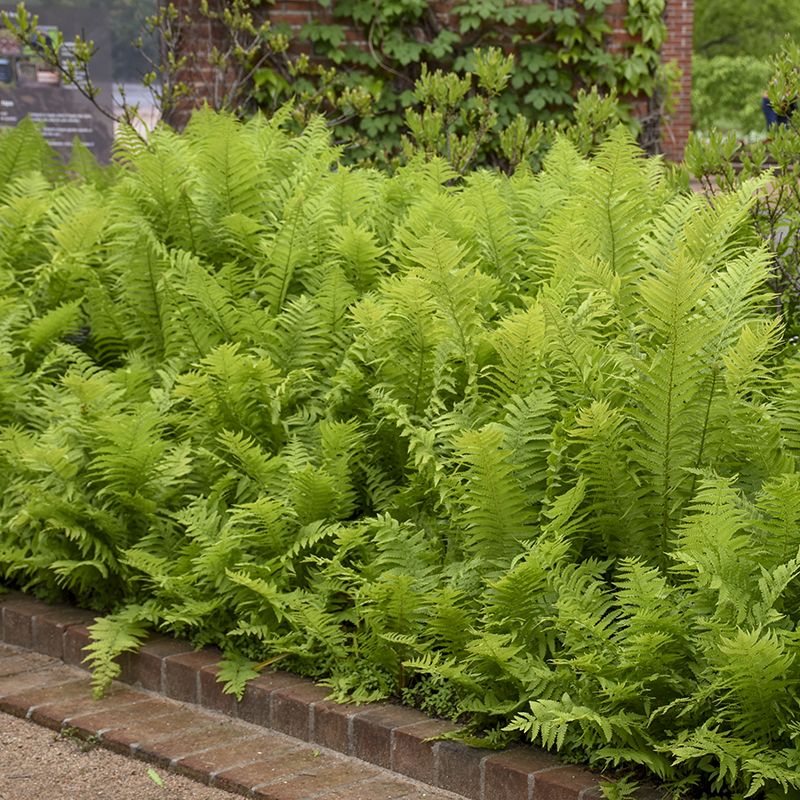
The Ostrich fern is the largest of the native ferns and can grow in sun or shade. It measures 3-6 feet tall and 3-4 feet wide at maturity and is deer- and rabbit-resistant.
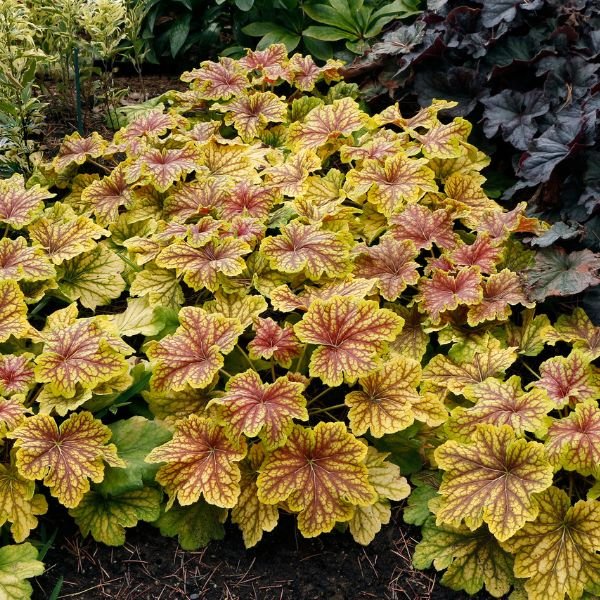
Red Lightning is an eye-catching plant with red veins across golden yellow foliage. The plant also has white flowers to attract pollinators in late spring and early summer.
As our summers are getting hotter, our modern garden ideas need to put the climate front and center. One of the key aspects must be designing a drought-tolerant yard to cope with drier, warmer summers.
Put careful thought into plants that suit your local climate and have low water requirements, and mulch plants to retain whatever moisture there is in the ground for longer.
If you love inspiring garden ideas, outdoor advice, and the latest news, why not sign up for our newsletter and get the latest features delivered straight to your inbox?