
Older workers who earn above certain thresholds will soon lose the ability to make pre-tax 401(k) catch-up contributions, a shift that could reshape retirement planning for high earners while leaving core limits intact for everyone else. Starting with tax years beginning after Dec. 31, 2026, catch-up contributions for workers age 50 and older who exceeded $145,000 in prior-year wages must be made on a Roth (after-tax) basis, with the IRS confirming the timeline in final regulations and maintaining a transition period through 2025 for plan administration.
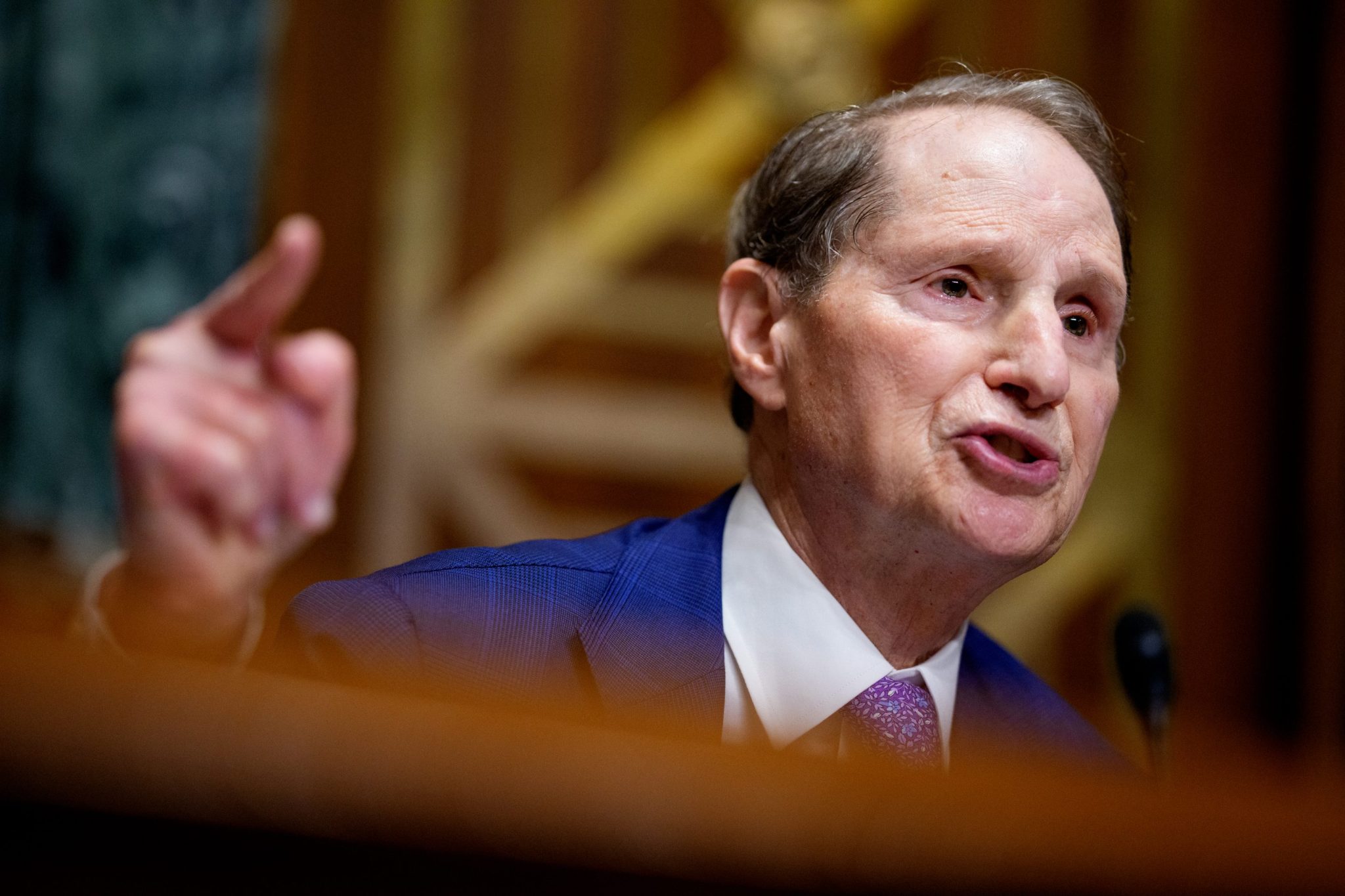
The Roth catch-up change stems from Section 603 of the SECURE 2.0 Act of 2022, which requires age‑50+ catch-up contributions made by higher earners to be designated as Roth (after‑tax) rather than pre‑tax, with the intent of raising near‑term federal revenue while preserving catch‑up access and boosting tax‑free retirement balances over time. The change reflects a bipartisan legislative compromise to fund SECURE 2.0’s broader retirement enhancements by accelerating tax revenue via Roth treatment for high earners’ catch‑ups. It stems from legislation pushed forward by then-Finance Committee Chairman Ron Wyden, who said in 2021 that he was motivated by revelations in ProPublica about Silicon Valley billionaire Peter Thiel’s $5 billion tax-free account. Now every upper-middle-class American retiree will now be impacted by the resulting change.








