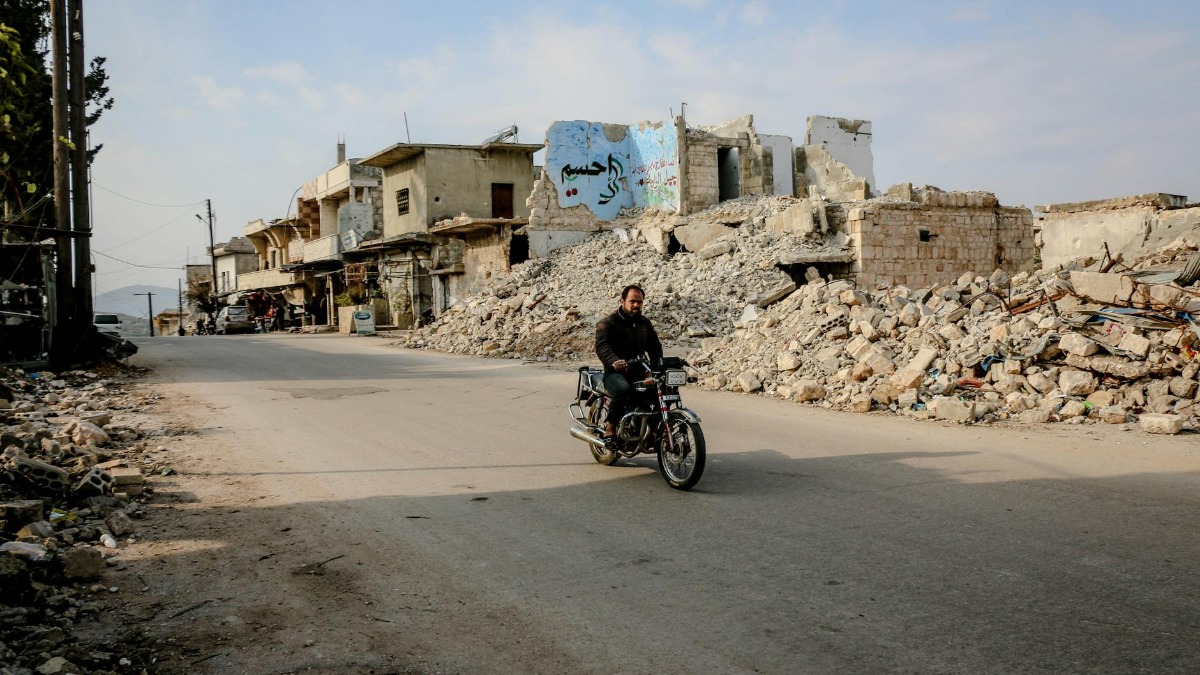
Pentagon chief Pete Hegseth just called the Iran war a “gift to the world” implying that America’s allies should be grateful for the global oil crisis it triggered. Speaking on April 24, 2026, Hegseth framed the conflict as a historic favor from the administration, insisting that other nations should step up instead of relying on the U.S. to fix the mess, per The Daily Beast.
The Strait of Hormuz has been shut down since February 28, sending oil prices past $105 a barrel and pushing gas to $4.06 a gallon, up nearly $3 from pre-war levels. Yet Hegseth’s message was clear: America isn’t the only country that needs it reopened, so why should it be America’s problem alone? The defense secretary’s comments come a week after the U.K. and France gathered 51 nations to discuss protecting merchant ships and clearing mines in the strait.
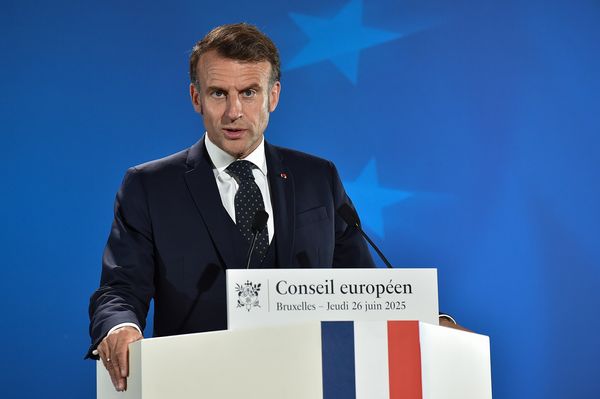
The administration, however, remains furious that NATO hasn’t committed naval resources to the effort. Internal Pentagon emails have even floated extreme measures like suspending Spain from NATO or rethinking U.S. support for the British Falkland Islands. Hegseth made it obvious where the administration stands, telling reporters that Europe and Asia have “benefited from our protection for decades” and that “the time for free riding is over.”
Meanwhile, the White House is sending mixed signals
While Hegseth insists the U.S. isn’t in a hurry to end the conflict, special envoy Steve Witkoff and Jared Kushner are heading to Islamabad this weekend for lower-level talks with Iran. Vice President J.D. Vance is on standby, ready to join if the discussions show promise.
White House press secretary Karoline Leavitt said Trump and other officials are “waiting here in the United States for updates” and that Vance would travel if needed. But there’s no sign of urgency. Hegseth has repeatedly stated the blockade will continue “as long as it takes,” and Trump himself dismissed concerns about the war’s length.
The administration’s defiant stance is clashing hard with public opinion. A new poll from ROKK Solutions found that 73% of voters blame Trump and his team for the rising costs tied to the war. Even among Republicans, 57% point the finger at Trump, while 55% blame congressional Republicans. The numbers get worse for the GOP.
Per The Daily Beast, a Fox News poll shows Democrats now lead on economic trust for the first time since 2010, with inflation and the economy topping concerns. Another survey from Cook Political Report gives Democrats a 6-point edge in the 36 House districts most likely to decide control of Congress.
Behind the scenes, panic is setting in
At a high-level strategy session led by White House Chief of Staff Susie Wiles, insiders admitted the war is becoming a major political liability. Some urged a sharper focus on economic messaging, while others warned that tying the party too closely to the conflict could backfire even harder. A few Republicans have already started distancing themselves.
Texas Senator John Cornyn has warned about “the strain on resources,” and Maine Senator Susan Collins called Trump’s rhetoric “incendiary” and pushed for a “swift” end to the war. But Trump said this week that he’s in no rush to resolve the situation.
The economic fallout is impossible to ignore. Bureau of Labor Statistics data shows electricity prices up 4.6% over the past year, restaurant costs rising 3.8%, and energy prices jumping 12.5%. Narges Bajoghli, associate professor, anthropology and Middle East studies at Johns Hopkins University, warned that as the financial pain becomes more visible, Trump risks losing control of his narrative. “I think that is something that is proving extremely difficult to him,” she said.
Hegseth’s “gift to the world” framing is a tough sell when most of the world isn’t feeling grateful. The Strait of Hormuz is a critical chokepoint for global oil shipments, and its closure has sent shockwaves through energy markets. While Hegseth argued that the U.S. “barely uses the Strait of Hormuz” and has “plenty of energy,” that’s cold comfort for countries that rely on it.
Europe and Asia, which depend far more on Middle Eastern oil, are now being told to stop complaining and start contributing. The subtext is clear: if they want the strait reopened, they’ll have to help make it happen.
The administration’s approach has been anything but subtle
Trump entered the war without congressional approval, public support, or NATO consultation, and now his team is acting surprised that allies aren’t rushing to join. The Pentagon’s internal discussions about punishing NATO members like Spain or revisiting the Falkland Islands dispute suggest a level of frustration that’s spilling into policy considerations.
But the numbers don’t lie. Voters are feeling the pinch, and they’re blaming the administration. The ROKK Solutions poll is part of a broader trend showing the GOP’s support eroding over the economy. Fox News’ findings that Democrats now lead on economic trust for the first time in over a decade should be a wake-up call. The Cook Political Report’s projection of a Democratic advantage in key House races is another red flag.
Yet the administration’s response has been to dig in. The disconnect between the administration’s messaging and reality is growing wider by the day. The bigger question is whether the administration can afford to keep this up. Hegseth’s “gift to the world” comment might have been meant as a show of strength, but it’s coming across as tone-deaf. When gas prices are this high and voters are this angry, gratitude is in short supply.
(Featured image: Ahmed akacha on Pexels)
Have a tip we should know? [email protected]