Get all your news in one place.
100’s of premium titles.
One app.
Start reading
Times Pets
Times Pets
Upasna Yadav

Pet Food Labels Made Easy: What Every Beginner Should Know

Understanding pet Food Ingredients

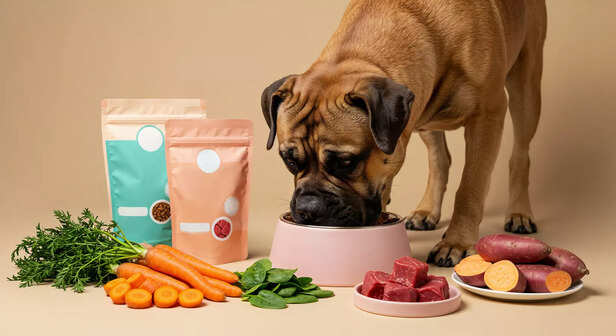
Dog enjoying healthy meal with fresh ingredients
<p>Choose safe and nutritious food for your pet </p>

Certain ingredients in dog food provide your dog with many different, essential nutrients. The major nutrients that your dog needs to survive are proteins, carbohydrates, fats, and water. These ingredients make up the bulk of the nutrient requirements for dogs. Protein, carbohydrate, and fat sources are listed on dog food labels first, followed by vitamins and minerals, probiotics, preservatives, and other ingredients.

Proteins

A high-quality, lean source of protein supplies essential amino acids and can help your dog build and maintain lean muscle mass, form new skin cells, and grow hair.

Proteins include:

  • Meat, such as beef and lamb
  • Poultry, such as chicken and turkey
  • Fish, such as salmon and whitefish
  • Plant-based sources like soy

They may be in the form of whole muscle tissue, meals or by-products.

Carbohydrates

Simple and complex carbohydrates are not only an energy source, but they also provide fiber for gut health.

Sources include:

  • Rice
  • Corn
  • Barley
  • Peas
  • Potatoes

Fiber

Fiber helps keep a dog's colon healthy and helps maintain normal gastrointestinal function.

Sources include:

  • Wheat bran
  • Inulin (a type of prebiotic)
  • Powdered cellulose (a good source of insoluble fiber)
  • Beet pulp (a complex carbohydrate)
  • Dried chicory root
  • Fructooligo saccharides (plant sugars)

Fats

A healthy fat source, such as that with omega-3 fatty acids and omega-6 fatty acids, provides energy and can help support joint and skin health, reduce inflammation in the body, and support cell and nerve function.

Animal or plant-based fats or oils include:

  • Fish oil
  • Beef or chicken fat
  • Corn, soybean, or canola oil

Water

Water can be found in small amounts in dry dog food and in larger amounts in wet dog food. Your dog will also usually drink enough water outside of meals to fulfill their daily requirement.

Vitamins and Minerals

Dogs also need vitamins and minerals in their diet, such as:

  • Vitamin A
  • Vitamin D
  • Vitamin E
  • Vitamin K
  • B vitamin complex
  • Calcium
  • Phosphorus

How To Read a Dog Food Label

Decoding pet food label: Nutrients and safety
<p>Decode pet food label easy understanding of ingredients guaranteed analysis and quality claims </p>

At first, the amount of information on a bag or can of dog food can seem overwhelming. However, with a bit of practice, you can learn how to read a dog food nutrition label with ease and know which foods are most appropriate for your dog.

How do I store my dog food properly?

For dry dog food, it’s best to store opened bags in airtight, hard-sided containers in a dry, cool location. This helps preserve the kibble’s freshness and prevent pests from accessing the food. For canned dog food, the can should be tightly sealed between uses, refrigerated at 37 F or lower after opening, and discarded after three to four days to ensure the food stays fresh.

Ingredients To Avoid in Dog Food

Toxic ingredients:

Some dog foods can contain ingredients that may be toxic to your dog when consumed long-term, such as garlic powder, oregano, and lavender. While less common, other harmful ingredients to avoid include chocolate, avocado, citrus, dairy, and nuts.

Raw ingredients:

Raw ingredients pose a risk of Salmonella and E. coli bacterial infections, not only for your dog but also for you when handling raw products. Always feed your dog a fully cooked diet.

Celebrate the bond with your pets, explore Health & Nutrition, discover Breeds, master Training Tips, Behavior Decoder, and set out on exciting Travel Tails with Times Pets!

Frequently asked questions (FAQs)

  1. Why is it important to read pet food labels ?

    Reading pet food labels helps you understand what you're feeding your pet, ensuring they receive the proper nutrition for their health and well-being. It allows you to make informed decisions about the quality and suitability of the food.

  2. What are the main ingredients I should look for ?

    Look for a named protein source (like chicken, beef, or fish) as the first ingredient. Also, check for whole grains, vegetables, and fruits for added nutrients.

  3. Are grain free food better for my pet ?

    Grain-free foods can be suitable for pets with grain allergies, but they aren't necessarily superior for all pets. Consider your pet's individual needs and consult with your vet.

  4. How should I compare different pet food labels ?

    Compare the ingredient lists, guaranteed analysis, and AAFCO statements. Consider your pet's age, breed, and any health concerns.

Sign up to read this article
Read news from 100’s of titles, curated specifically for you.
Already a member? Sign in here
Related Stories
Top stories on inkl right now
One subscription that gives you access to news from hundreds of sites
Already a member? Sign in here
Our Picks
Fourteen days free
Download the app
One app. One membership.
100+ trusted global sources.