
Get all your news in one place.
100's of premium titles.
One app.
Start reading
The Conversation
The Conversation
William Burgos, Professor of Environmental Engineering, Penn State

Pennsylvania roads are being coated in radioactive wastewater − here’s why

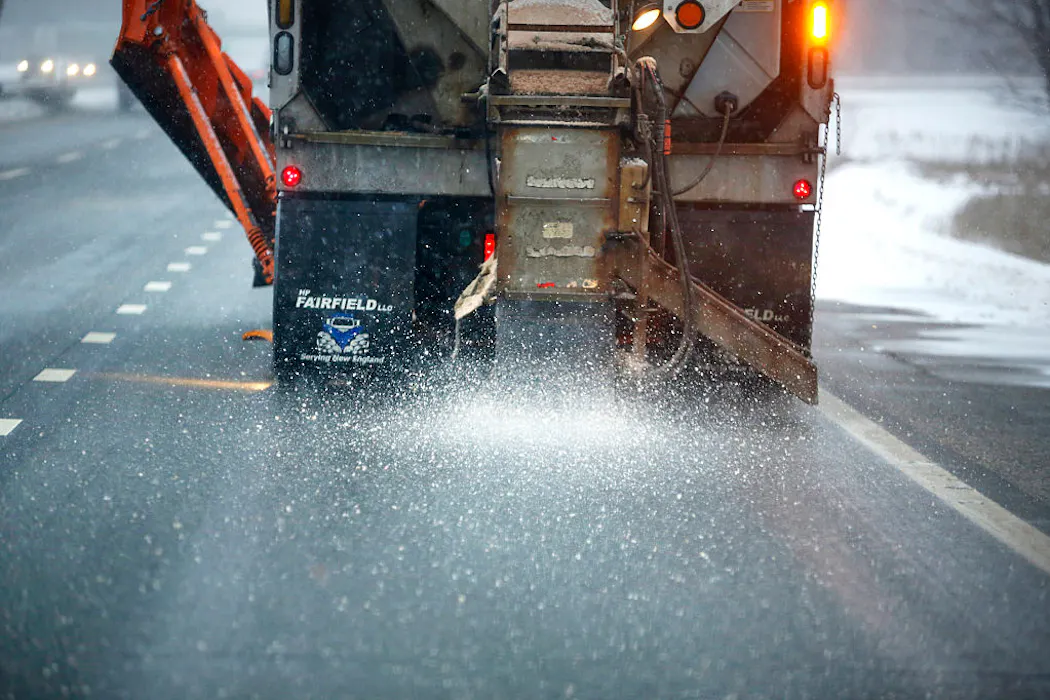
Brine, a mixture of salt and water, is sprayed onto roads to prevent snow and ice from sticking or freezing to the pavement. Portland Press Herald Collection via Getty Images

Pennsylvania’s roughly 100,000 oil and gas wells produce wastewater that’s many times saltier than seawater and contains radium, a known carcinogen. For decades, that saltwater, called brine, was spread on dirt and gravel roads across the state to control dust and also on paved roads to melt ice.

The state Department of Environmental Protection halted the practice in 2018, but residents continue to report oil and gas brine being spread in their communities. Now, a permit issued by the Department of Environmental Protection in May 2026 could open a new path for oil and gas well wastewater to be sold as a commercial product that could be purchased by road maintenance operators or snow removal businesses.

Sign up to read this article
Read news from 100's of titles, curated specifically for you.
Already a member? Sign in here
Related Stories
Top stories on inkl right now
One subscription that gives you access to news from hundreds of sites
Already a member? Sign in here
Our Picks
Fourteen days free
Download the app
One app. One membership.
100+ trusted global sources.




