
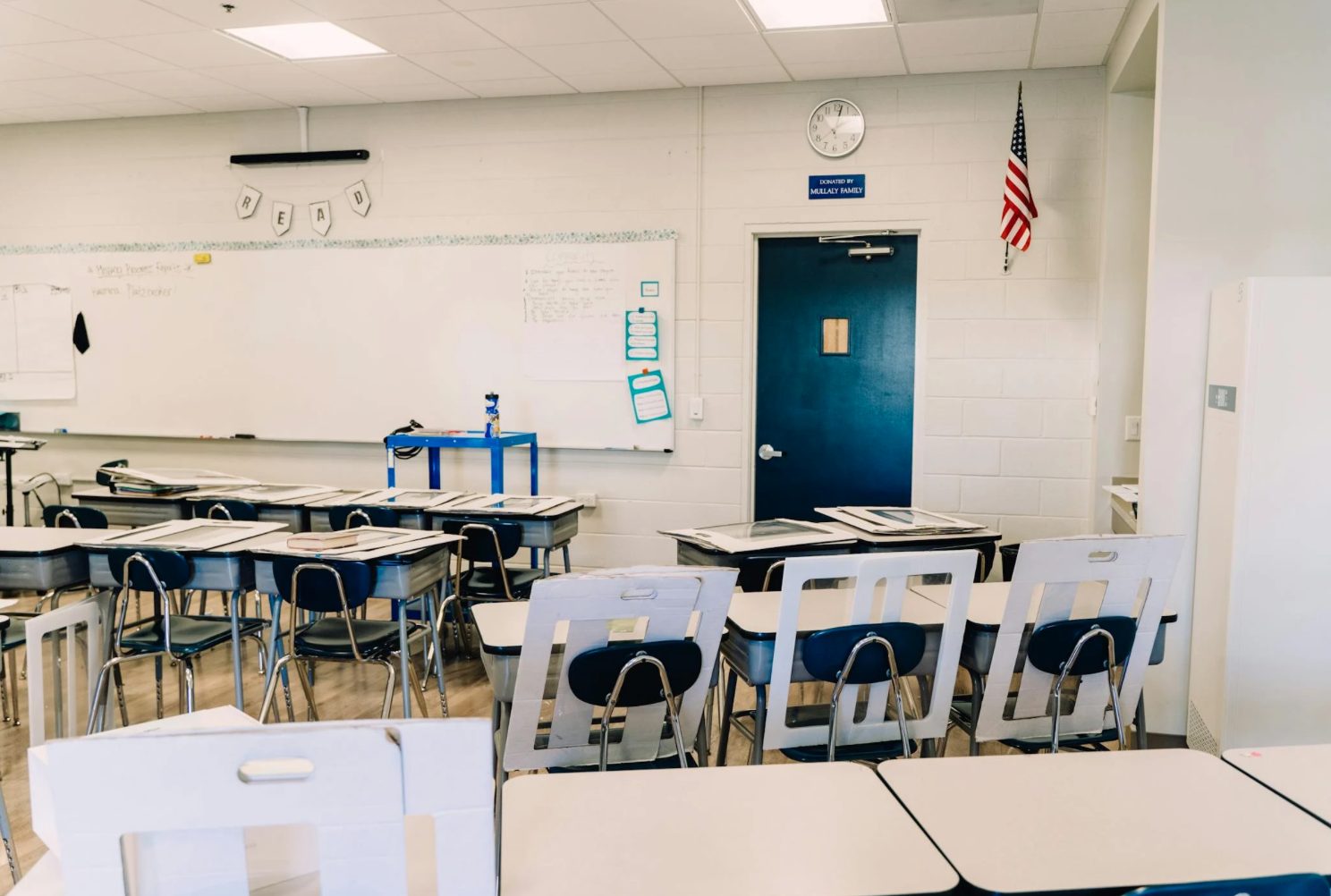
Schools across the country have spent the last several years redesigning classrooms to support students with autism, ADHD, anxiety, and sensory processing challenges. Soft lighting, fidget tools, quiet corners, and flexible seating have become common features in many “sensory-friendly classrooms.” While the idea sounds promising, many parents now say the reality falls short of expectations. Some families report that these classrooms still feel overstimulating, poorly staffed, or inconsistent in how sensory support is delivered. As districts invest more money into inclusive learning environments, parents and advocates are asking whether schools are truly meeting the needs of neurodivergent students or simply adopting trendy labels.