
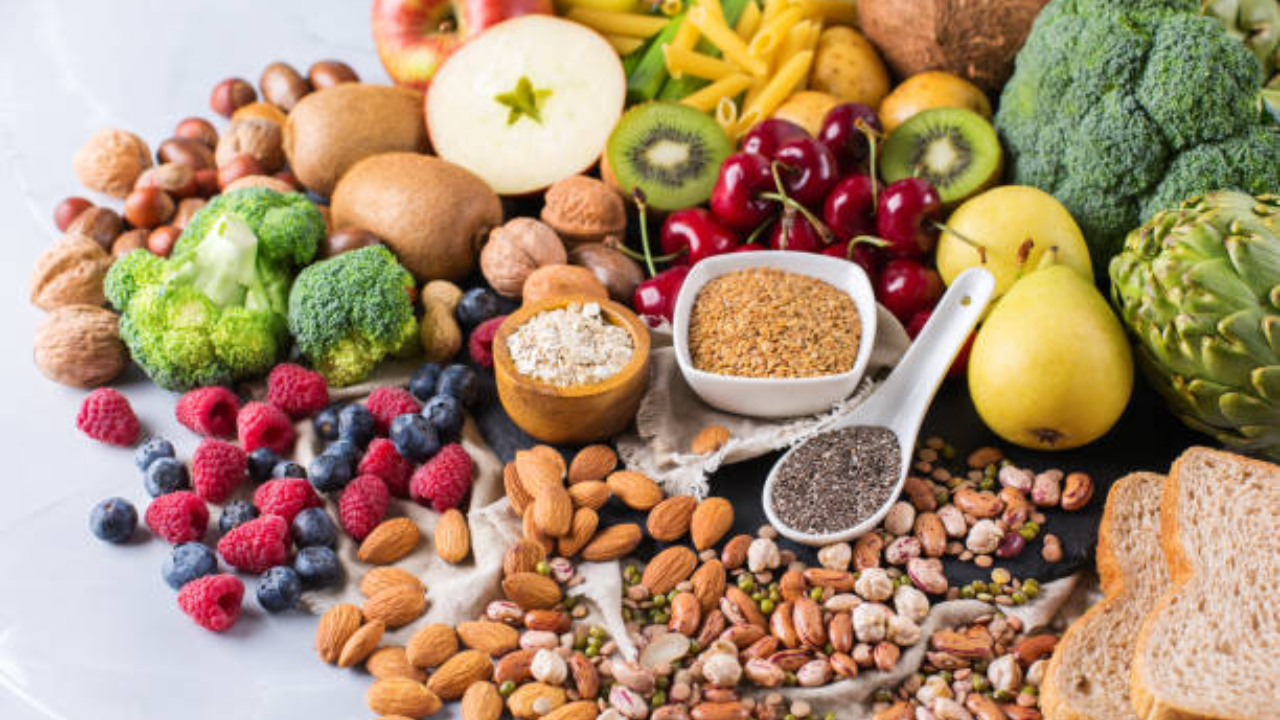
Eating habits play a crucial role in liver function as they directly impact the organ's health. A diet rich in fruits, vegetables, lean proteins, and whole grains supports liver function by providing essential nutrients and antioxidants. Conversely, excessive consumption of processed foods, sugary beverages, and high-fat meals can strain the liver, leading to fatty liver disease and other complications. Maintaining a balanced diet, staying hydrated, and limiting alcohol intake are key to promoting optimal liver function and preventing liver-related disorders. Regular exercise further complements healthy eating habits, contributing to overall liver health and well-being.
Overeating is a well-known cause of liver disease. A diet high in calories is known to predispose to fatty liver also known as non-alcoholic fatty liver disease. It is not only overeating but also having an unhealthy diet which can predispose to fatty liver disease. Overeating leads to high caloric intake disproportionate to what is being used by the body. This promotes weight gain and obesity which leads to fat deposition in the liver leading to non-alcoholic fatty liver disease. It is not only the excess food consumption but also the composition of your diet that predisposes to liver disease. A diet high in refined flour (pasta, pizza, burgers), saturated fat (ghee, butter, oil, etc.), sugars (fizzy drinks, sweets), and red meat (beef, pork, mutton) can themselves predispose to fatty liver. This fatty liver is a dangerous disease that can slowly progress to end-stage liver disease like cirrhosis and liver cancer. A sedentary lifestyle is another important contributing factor along with overeating and an imbalanced diet which predispose to fatty liver.














