
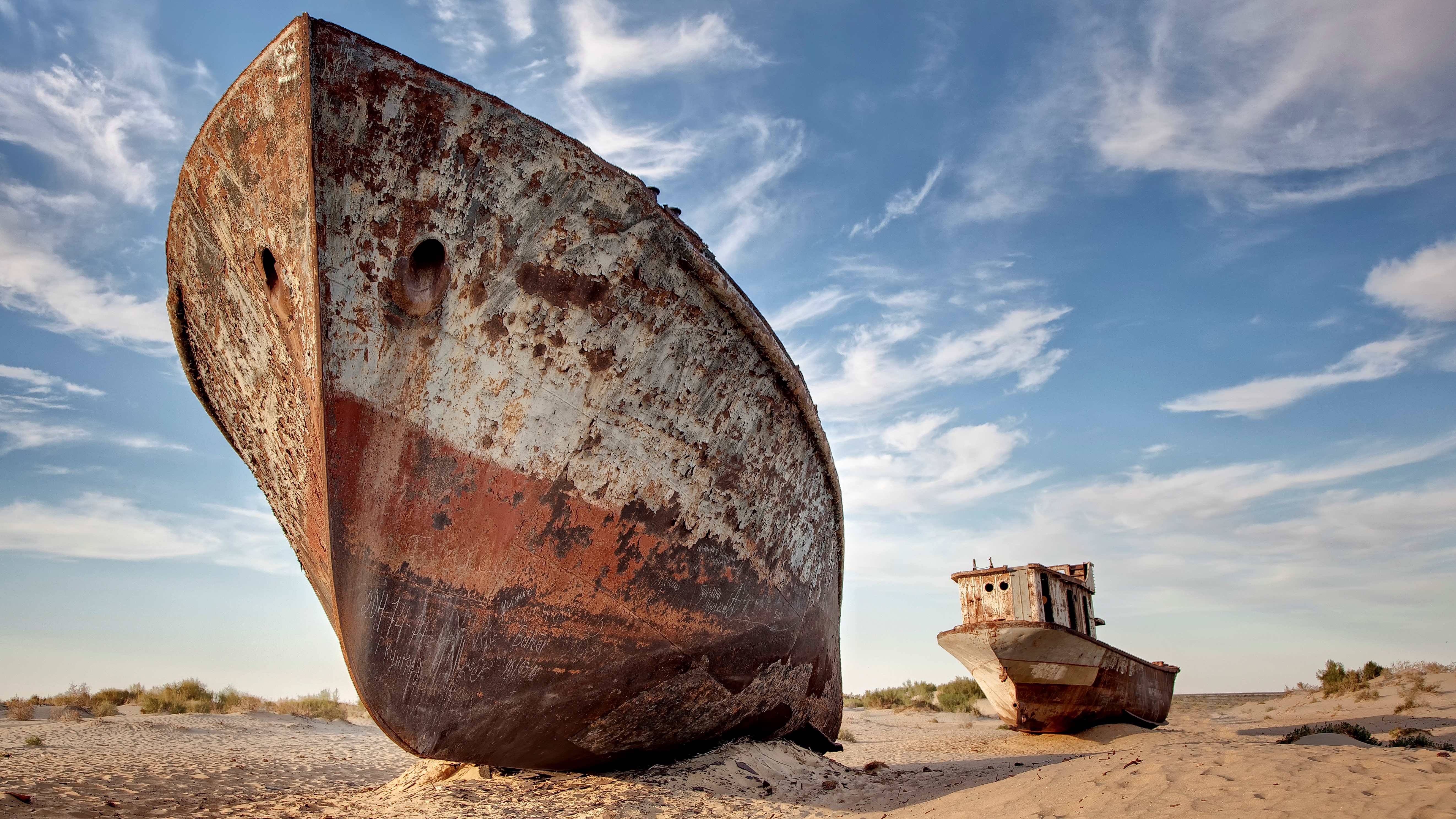
Over half of the world’s largest lakes and reservoirs now hold less water than they did three decades ago — and a warming climate and human water consumption are largely to blame, researchers have found.
Lakes and reservoirs store 87% of the liquid fresh water on Earth’s surface. But new research using satellite observations alongside climate data and modeling shows that 53% of Earth’s largest lakes and reservoirs now store significantly less water than they did in 1992. The total amount of water lost is estimated to be 144.5 cubic miles (602.3 cubic kilometers) — equivalent to the volume of 17 Lake Meads, which is the largest reservoir in the U.S.













