-(1).jpeg?width=1200&auto=webp&crop=3%3A2)
Over 7,000 low-income and vulnerable households in Waltham Forest could be forced to pay more council tax under controversial proposals aimed at saving the cash-strapped borough almost £1 million a year.
The Green-led council has launched a consultation on plans to reduce council tax support for some of its poorest residents, including people deemed to have a "limited capability for work" and households with children under five.
If approved, the changes would affect 7,079 households, while 2,343 residents would receive increased support.
The proposals mark the latest squeeze on council tax support in the borough after the previous Labour administration overhauled the scheme in 2024, significantly increasing bills for many working-age residents on low incomes.
Under the current system, some vulnerable households can still qualify for a discount worth up to 85 per cent of their council tax bill. The council now wants to reduce that maximum level of support to 75 per cent, arguing that the revised scheme would be more affordable and closer to arrangements used elsewhere in London.
Who would be affected?
According to council figures:
•7,079 households would receive less support
•2,343 households would receive more support
•The changes would save the council around £970,000 a year
•A £750,000 hardship fund would remain in place for residents facing financial difficulties
Waltham Forest said it was trying to strike a balance between helping struggling households and maintaining vital council services.
In consultation documents, the authority says providing greater support would require spending cuts elsewhere, larger council tax increases or drawing on emergency reserves.
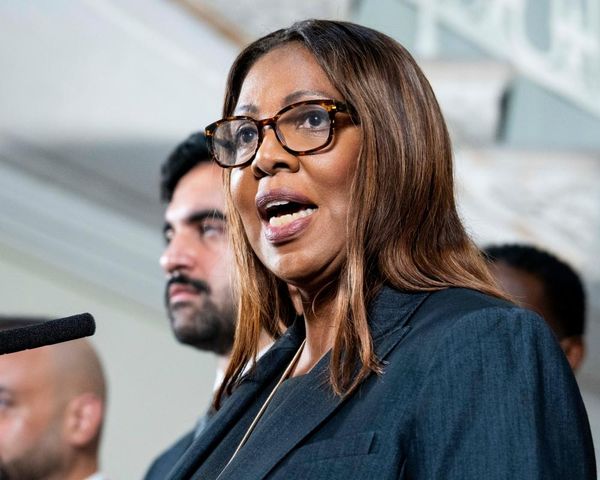
Councillor Em Dean, cabinet member for finance and resources, stressed that no final decision had been taken.
"We review the council tax support scheme every year to make sure it remains fair, affordable and sustainable," she said.
"We recognise that some households could receive less support under the proposals, while others could receive more. We are seeking views on the potential impacts and how they could be mitigated."
Documents published alongside the consultation provide examples of how residents could be affected.
One scenario shows a severely disabled single mother caring for a severely disabled child seeing her weekly council tax support fall by £4.15, from £35.33 to £31.18.
Other households would gain. A part-time worker earning £130 a week, alongside a small Universal Credit payment, would see his weekly discount increase by £2.22 under the new system.
The plans have already sparked a political row at Waltham Forest Town Hall.
Labour opposition leader Councillor Kizzy Gardiner described the proposals as both "surprising" and "deeply concerning", arguing they would pile additional pressure on struggling families during the ongoing cost-of-living crisis.
She said Labour's previous approach had balanced financial pressures with protecting the most vulnerable residents and questioned how the proposals fitted with Green Party promises to reduce costs for local people and expand cost-of-living support.
The debate comes as councils across London face mounting financial pressures from rising demand for social care, temporary accommodation and other frontline services.
The consultation runs until November, with councillors expected to make a final decision the following month.
If approved, the changes would not take effect until April 2027, giving affected households time to prepare for potentially higher council tax bills.