
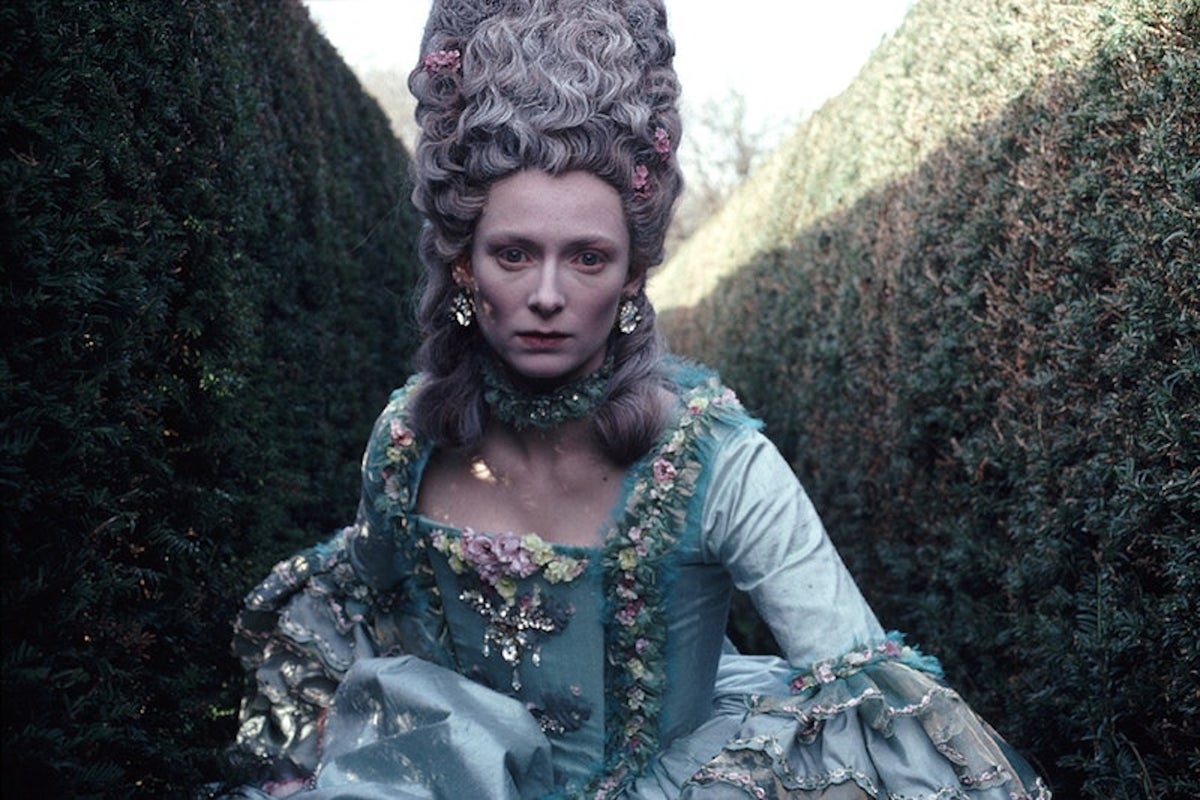
On paper, Orlando seems to be one of those unfilmable texts. Virginia Woolf’s tale of an Elizabethan nobleman who time travels across four centuries of British society, and wakes up one morning as a woman, is a lot to put on screen. Even tougher to capture is Woolf’s voice: witty and ravishing, and frankly too leisurely for cellulose. Harvey Weinstein, then one of Hollywood’s most powerful producers, recognised the ambition of such a task, saying he admired “the guts” of Sally Potter, who had pitched her adaptation to him back in the 1980s. He ended up rejecting it.
The film is screening at London’s ICA next week (25 October) as part of the Celebrating Free Thinkers festival, marking The Independent’s 40th anniversary. In 2026, Orlando – inspired by Woolf’s romance with the writer Vita Sackville-West, whom the author once admiringly described as “mustachioed” – feels more germane than ever, a work of social satire and feminist fantasy that preempted conversations about gender identity by more than three decades; this was an adaptation that set a new blueprint for filmmaking with its daring casting. The book remains not only timeless but prescient, as though forever casting a line into the vast future. Swinton, who played the titular androgyne in a breakthrough role, once said she re-reads it every four to five years, and every time, as if by magic, it “somehow, reliably, keeps reflecting back each phase of my life at me, leaf by leaf”.














