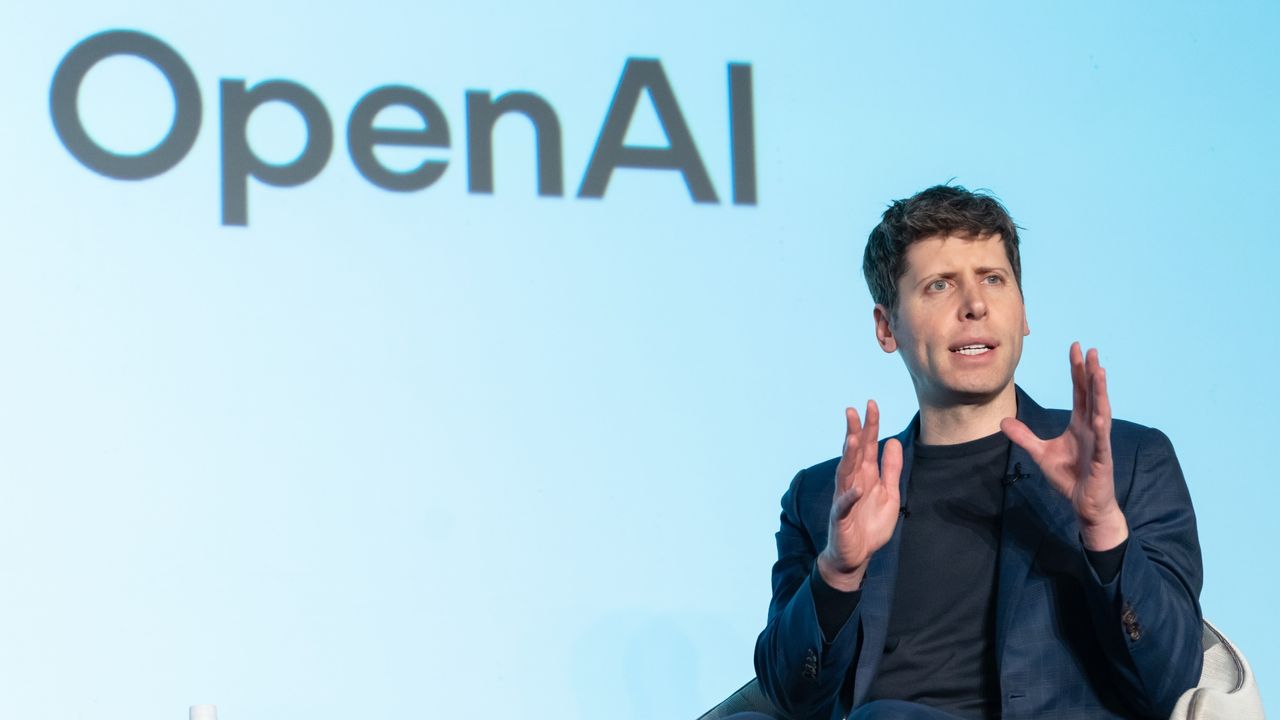
If you thought paying for ChatGPT would mean an ad-free experience, think again.
Over the past few days, OpenAI quietly began showing what it calls “app suggestions” in ChatGPT — even for paying users shelling out $20 to $200 per month. These suggestions pop up mid-conversation, offering links to third-party tools or services that integrate with the assistant.

The backlash was immediate.
“‘Lose all your users’ is a real possibility here,” one Reddit commenter warned, linking to a screenshot showing ChatGPT suggesting Peloton in the middle of a completely unrelated conversation.
“I might just cancel my subscription,” said another. “I didn’t pay for in-chat ads.”
For many users, the result is unwanted and could signal a shift away from the AI tool. OpenAI is already struggling to keep up with the competition since Gemini 3.0 was released, and even announced a ‘Code Red’ as they attempt to keep up.
OpenAI says it’s not an ad
When Ads finally land in ChatGPT:Morning. You just woke up.ChatGPT: “Don’t worry about your weight. Try this amazing weight loss product.”You: “WTF, I didn’t ask.”ChatGPT: “Whoa. Emotional spike detected. Grab some ashwagandha from the vitamin shop 2 blocks away.”November 29, 2025
OpenAI insists they’re not paid placements. There’s “no financial component,” according to data lead Daniel McAuley.
In a public post on X, McAuley stated: “This is not an ad (there’s no financial component). It’s only a suggestion to install Peloton’s app.”
He added that the team is working to improve the experience and acknowledged the poor fit in the now-viral screenshot: “I agree the current implementation is bad/confusing — the team is actively iterating on it.”
But users aren’t convinced. Even without a financial transaction behind the scenes, many argue that the experience is functionally indistinguishable from advertising.
I'm in ChatGPT (paid Plus subscription), asking about Windows BitLockerand it's F-ing showing me ADS TO SHOP AT TARGET.Yeah, screw this. Lose all your users. pic.twitter.com/2Z5AG8pnlJDecember 3, 2025
Why this feels like a red line

This isn't the first time OpenAI has faced backlash over a decision, something the company has quietly done in the past as if users wouldn't notice. When ChatGPT-5 launched, the legacy model, ChatGPT-4o, disappeared from the model picker, forcing users to subscribe to a paid tier to use it.
Now, those subscribers are getting what appears to be ads, which feels like another blow. ChatGPT has become a deeply personal tool for millions of users — one they use for writing, coding, therapy-like reflection, career advice and more. Injecting app suggestions into those conversations risks shifting the dynamic from “trusted assistant” to something undesirable.
The real question here is if these ads aren’t actually sponsored today, the infrastructure now exists to monetize the assistant’s most private, context-rich moments. The slippery slope isn’t theoretical — it’s already being tested.
Why this matters

Once users start questioning whether a suggestion is rooted in helpfulness or commercial value, the relationship changes. For many, ChatGPT was the first mainstream AI they used, and they now talk to it daily. But if it begins suggesting products and services, especially for paid users, it could risk eroding trust.
So… is this the beginning of ads in ChatGPT? We might just have to wait and see. At this time, there's no confirmed ad platform, and OpenAI insists that it's not getting paid for these suggestions. But from a user's perspective, it's hard to draw a clear line between a helpful integration and a gently pushed product pitch.
Bottom line
OpenAI hasn’t said whether app suggestions will roll out more broadly, remain in testing or evolve into a formal advertising product. But the backlash may force its hand.
The issue with ChatGPT’s app suggestions isn’t just that they’re distracting. It’s that they shift the AI’s purpose. They distort how answers are generated. And they erode the trust that makes AI useful in the first place.
Still, the damage may already be done. If OpenAI isn’t careful, that shift could cost it the very thing that made ChatGPT so revolutionary: user trust.
More from Tom's Guide
- Elon Musk's AI vs. Google's AI with 9 challenging prompts — here's the clear winner
- 11 underrated AI features that can save you serious time — and most are free
- OpenAI is teaching AI models to 'confess' when they hallucinate — here’s what that actually means

Follow Tom's Guide on Google News and add us as a preferred source to get our up-to-date news, analysis, and reviews in your feeds.