Get all your news in one place.
100's of premium titles.
One app.
Start reading
The Economic Times
The Economic Times

ONGC moves closer to India's first geothermal plant

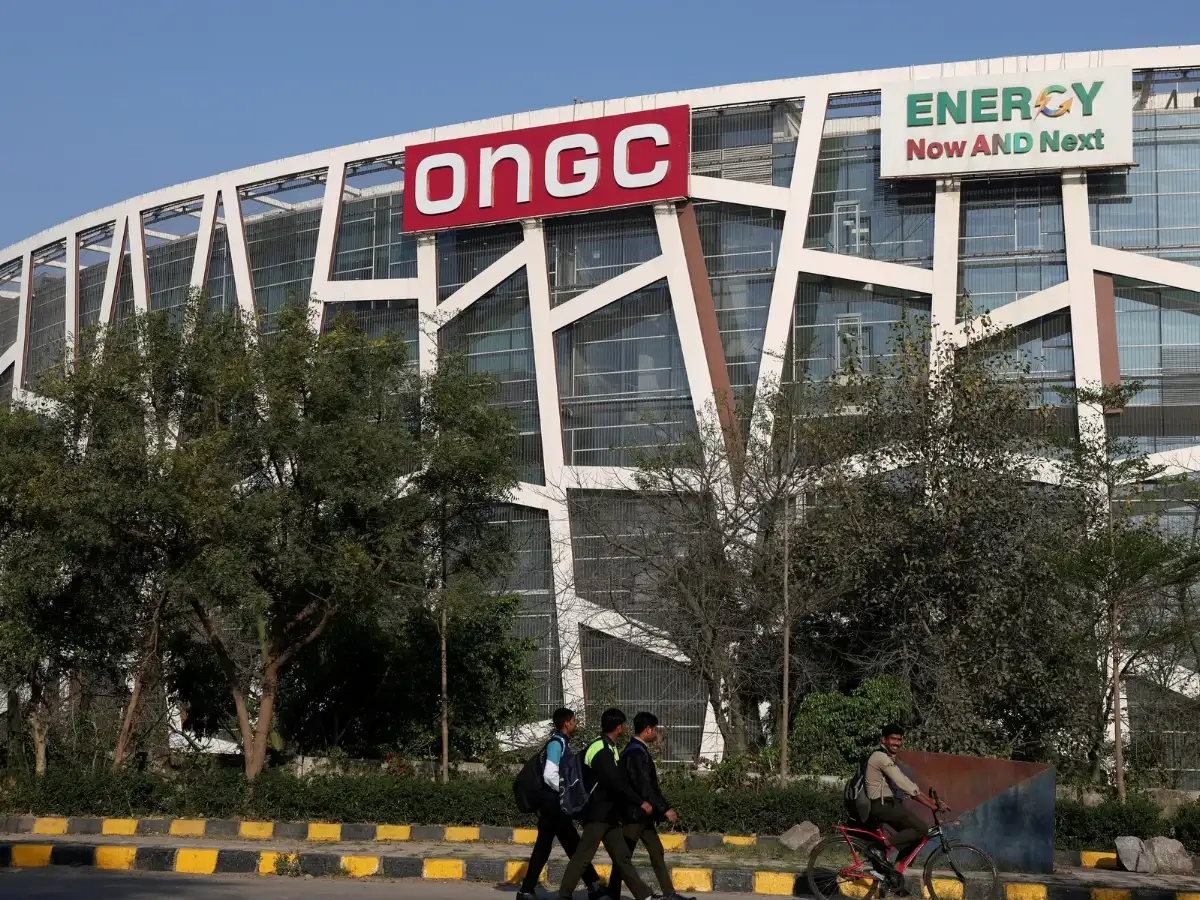
New Delhi: State-run Oil and Natural Gas Corporation (ONGC) has completed drilling its second geothermal well in Ladakh's Puga Valley, marking another step towards developing India's first pilot geothermal power plant.

The company's research and development arm, ONGC Energy Centre, drilled the well to a depth of 1,000 metres at an altitude of more than 14,000 feet in about a month, improving on the timeline and cost of its first geothermal drilling campaign, ONGC said in a social media post.

The latest well builds on the success of ONGC's first geothermal well in Puga, which produced steam at temperatures above the boiling point of water, demonstrating the area's geothermal resource potential, the company said.

ONGC said the second well would support the development of India's first 1-megawatt electric (MWe) pilot geothermal power plant and could pave the way for commercial exploitation of geothermal energy in the country.

The project's next phase includes plans to set up a 1-megawatt electric (MWe) pilot geothermal power plant and the longer-term development of geothermal resources to provide reliable baseload electricity for Ladakh.

The Puga geothermal field, located in eastern Ladakh, is considered India's most promising geothermal resource.

Geothermal energy harnesses heat from beneath the earth's surface to generate electricity and provide heating, and offers a source of round-the-clock, low-carbon power, unlike solar and wind energy, whose output depends on weather conditions.

The Puga geothermal field in Ladakh has long been identified as India's most promising geothermal resource. While exploratory work has been carried out intermittently for decades, commercial geothermal power generation has yet to take off in the country because of technical and economic challenges.

India is seeking to diversify its renewable energy mix beyond solar, wind and hydropower as it works towards its target of installing 500 GW of non-fossil-fuel electricity capacity by 2030.

Sign up to read this article
Read news from 100's of titles, curated specifically for you.
Already a member? Sign in here
Related Stories
Top stories on inkl right now
One subscription that gives you access to news from hundreds of sites
Already a member? Sign in here
Our Picks
Fourteen days free
Download the app
One app. One membership.
100+ trusted global sources.