Get all your news in one place.
100's of premium titles.
One app.
Start reading
The Conversation
The Conversation
Environment
Jennifer Provencher, Adjunct professor, Department of Biology, Carleton University

Once the slick is gone: New tool helps scientists monitor chronic oil in Arctic wildlife

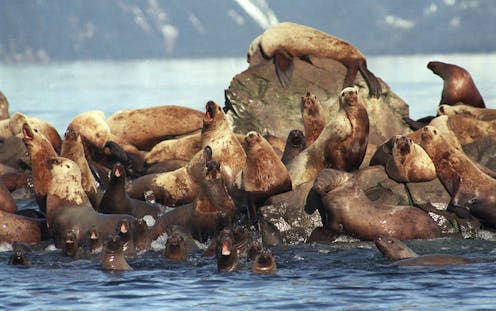
Sea lions, otters and birds were some of the many wildlife species that were hit hard by the 1989 Exxon Valdez oil spill in Alaska. Oil spills like these expose the wildlife to new contaminants and can be fatal. (AP Photo/Jack Smith, File)

When we think about the Arctic, most of us think of a snow-covered barren landscape and vast stretches of icy ocean. This is far from the reality of the Canadian Arctic today. With approximately 150,000 people calling it home, this region is certainly not barren.

The Arctic is warming faster than anywhere else on Earth. This stark increase in temperature affects wildlife, plants and humans and results in less sea ice, which many predators and hunters use year-round.

Sign up to read this article
Read news from 100's of titles, curated specifically for you.
Already a member? Sign in here
Related Stories
Top stories on inkl right now
One subscription that gives you access to news from hundreds of sites
Already a member? Sign in here
Our Picks
Fourteen days free
Download the app
One app. One membership.
100+ trusted global sources.