
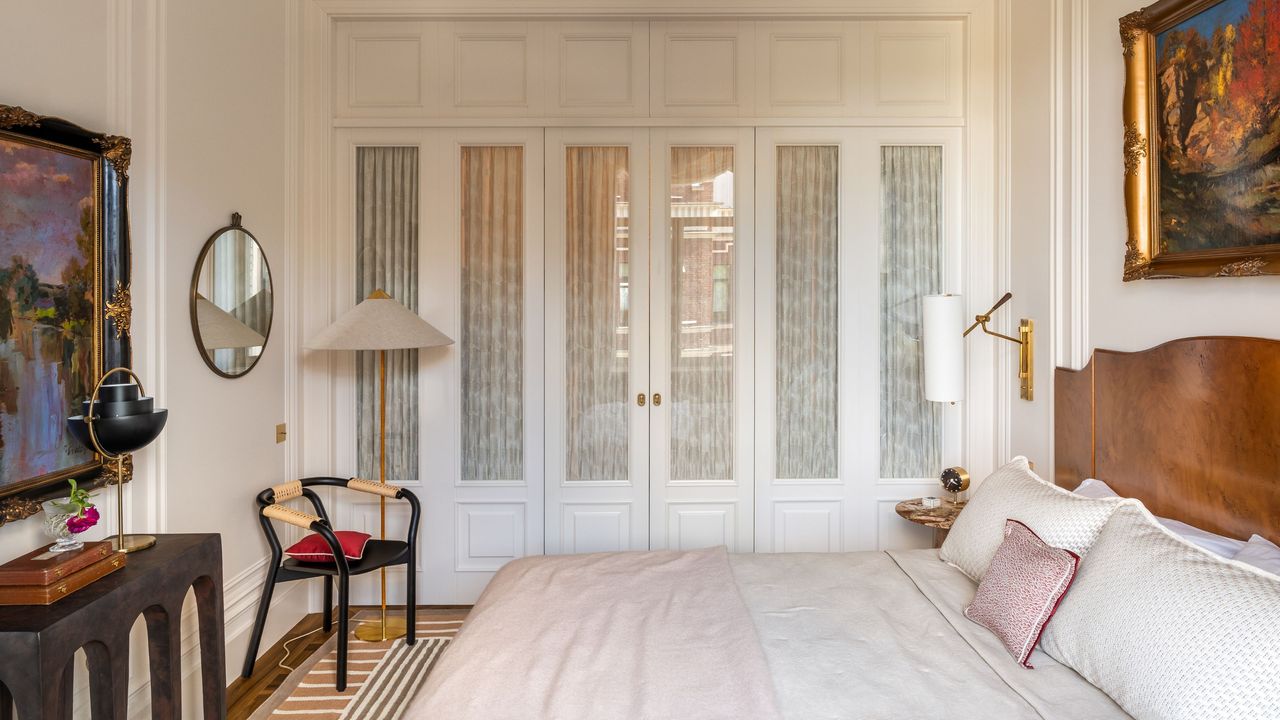
"I think right now we're all a bit tired of overly styled, trend-led spaces," interior designer from Topology, Amy Johnson, tells me. And I would agree that there's definitely been a shift towards homes that feel more personal and properly lived-in. Sourcing antiques has not only become a huge design movement, but it's a great way to bring this natural character to a space — if you choose the right pieces, that is.
Anyone who has tried to rummage through a vintage market or antique shop knows that it can be an overwhelming experience. Do I actually like this quirky kitchen stool, or do I just like it because it's in front of me? Thrifting buyer's remorse is real, and the best way to avoid buying something archaic rather than classic is to learn how to thrift antiques like the pros. Which basically means knowing what not to look for.

However, this antique shopping strategy goes beyond the things you should never buy from a thrift store, like broken pieces or cracked leather; it's about differentiating between the 'cool' antiques and what's plain outdated. Learning to think like the resellers, if you will. So, I've called in the designers and experts for some practical advice — below are a few antiques they'd deem 'uncool' and best left in the past.
1. Heavy Sets of Matching Furniture

As someone who recently browsed antique stores for big-ticket items to furnish my flat, I know the allure of a large vintage furniture piece all too well. Being able to practically furnish an entire space at a lower price tag than off-the-shelf is always enticing. However, a bulky wooden media console, dining table, coffee table, and desk, later, I realized that this was far too many bulky wooden pieces in one home.
Amy says, "The biggest offender for the 'uncool' antique is those old, heavy matching sets of wooden furniture — everything the same finish, same style, all meant to go together." Even if you don't buy them all together, necessarily, it's important to make sure you aren't accidentally stocking up on too many of the same large pieces. This could be making your furniture look cheap rather than thoughtfully curated.
"Matching antique sets can feel a little contrived; the most interesting interiors tend to layer pieces gradually, so they feel collected over time rather than sourced all at once," adds interior designer Claire Welsh.
Instead, when antique collecting, think of what could sit comfortably alongside contemporary pieces without shouting for attention — an accent chair, writing desk, or vanity make for great accent pieces.
Though these chairs are a matching set, they can be beautifully balanced with more modern decor or furniture pieces in different materials. Imagine a wooden coffee table between them, or a chrome accent table to the side.
This oak writing desk is a warm wood, but the style doesn't feel too bulky or overwhelming. Pair this with a contemporary chair for a blended look.
I think this spindleback style makes for the perfect accent or decorative chair without overwhelming a space. You can easily throw a blanket or a throw pillow on it to tie it together with the rest of the room.
2. Decorative Carved Wood Pieces

Next, stay away from anything too heavily carved or overly formal. These kinds of pieces, while beautiful, can translate as really heavy or dated — not what you want for your cool antiques mood board.
Claire explains, "Very heavily carved or overly formal pieces, particularly when used in isolation, can feel a little static and heavy." The eye is more likely to wonder, 'What is that doing here?' rather than the piece blending harmoniously into the rest of your design scheme. "Especially if the rest of your home is more modern," adds Amy.
However, if you love this look, it's not totally 'uncool' to have these kinds of antiques in your home. It's just about creating a sense of balance in design. Try to source pieces with delicate details or very unique artisanal moments, so that it feels unique to your space and welcome among your home's modern elements.
The carved wood on this nightstand is delicate and simple, making the piece feel more timeless.
Try looking for pieces that have decorative elements that don't necessarily feel too fancy or formal. This yellow leather folding seat with studs is totally unique without feeling dated.
I think mirrors with super ornately carved frames, while beautiful in museums, can quickly feel stuffy in homes. Instead, look for an antique mirror with a simpler, but unique design.
3. Too Many Collectibles

There are full and thoughtfully curated spaces, and then there's clutter. And unfortunately, it's really easy to accidentally fall into the latter category when decorating with antiques. You want your home to have the best pieces, not to end up looking like the thrift store itself.
Amy explains, "When there are too many small antiques or collectibles, it can all feel a bit overwhelming. The thing that makes antiques feel special is giving them space to breathe, rather than filling every surface."
So the best rule of thumb is to stay far away from the semi-cheesy, novelty antiques and pick your shelf pieces with intention. Think: a vase that doubles as a chic bookshelf decor idea, antique dishes that work as catch-alls, or that 'one amazing thing' like an umbrella stand to catch people's eye.
Art Nouveau is such a beautiful design movement to bring into your interior — a piece or two of these Nouveau motifs make for a meaningful decor moment.
I love mid-century decor for the stunning mix of form and function. This footed tray blends chrome decor with an almost tortoise moment.
Floor-standing candle holders are such a chic look, and make for a thoughtful and unique lighting idea.
At the end of the day, the coolest antiques to incorporate reflect your personal style and coordinate with the rest of your home. Amy says, "The pieces that work best are the ones that don’t feel too precious, they just sit comfortably in the room and with the rest of your furniture and design scheme."
You might also be wondering what the difference is between antique vs vintage vs retro — here, we explain everything you need to know.
For more tips and tricks like this, be sure to subscribe to the Livingetc newsletter.