
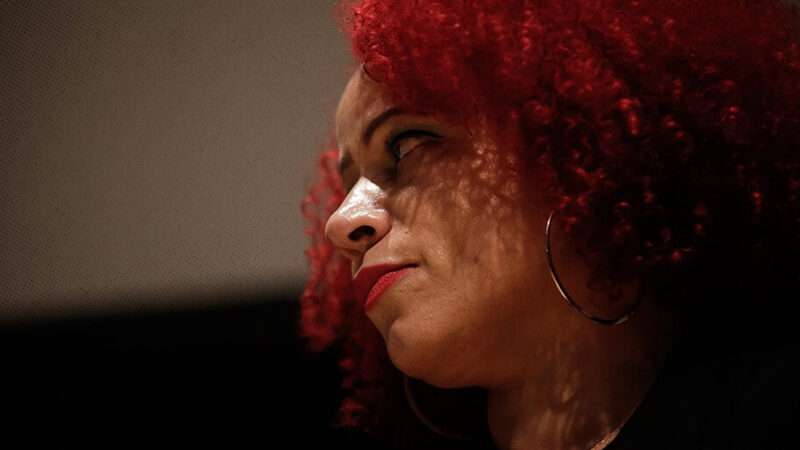
Almost exactly a decade ago, Nikole Hannah-Jones, a writer for The New York Times Magazine, published a piece on enrolling her daughter, Najya, in a "segregated, low-income" elementary school. It was not for lack of options. This was a calculated response, she wrote, to the fact that New York City public schools are heavily segregated by race and socioeconomic status. Hannah-Jones, who is black and middle class, felt that placing her daughter in a higher-achieving school with more white students would perpetuate the flaws of an unequal system and be tantamount to abandoning other black children. She could not integrate the school racially. But she would try to do so socioeconomically, by bringing her middle-class resources to a low-income environment. She would try to live her values through her daughter.
"Are we experimenting with our child based on our idealism about public schools?" she said her husband, Faraji, asked when she presented the idea. "Are we putting her at a disadvantage?"













