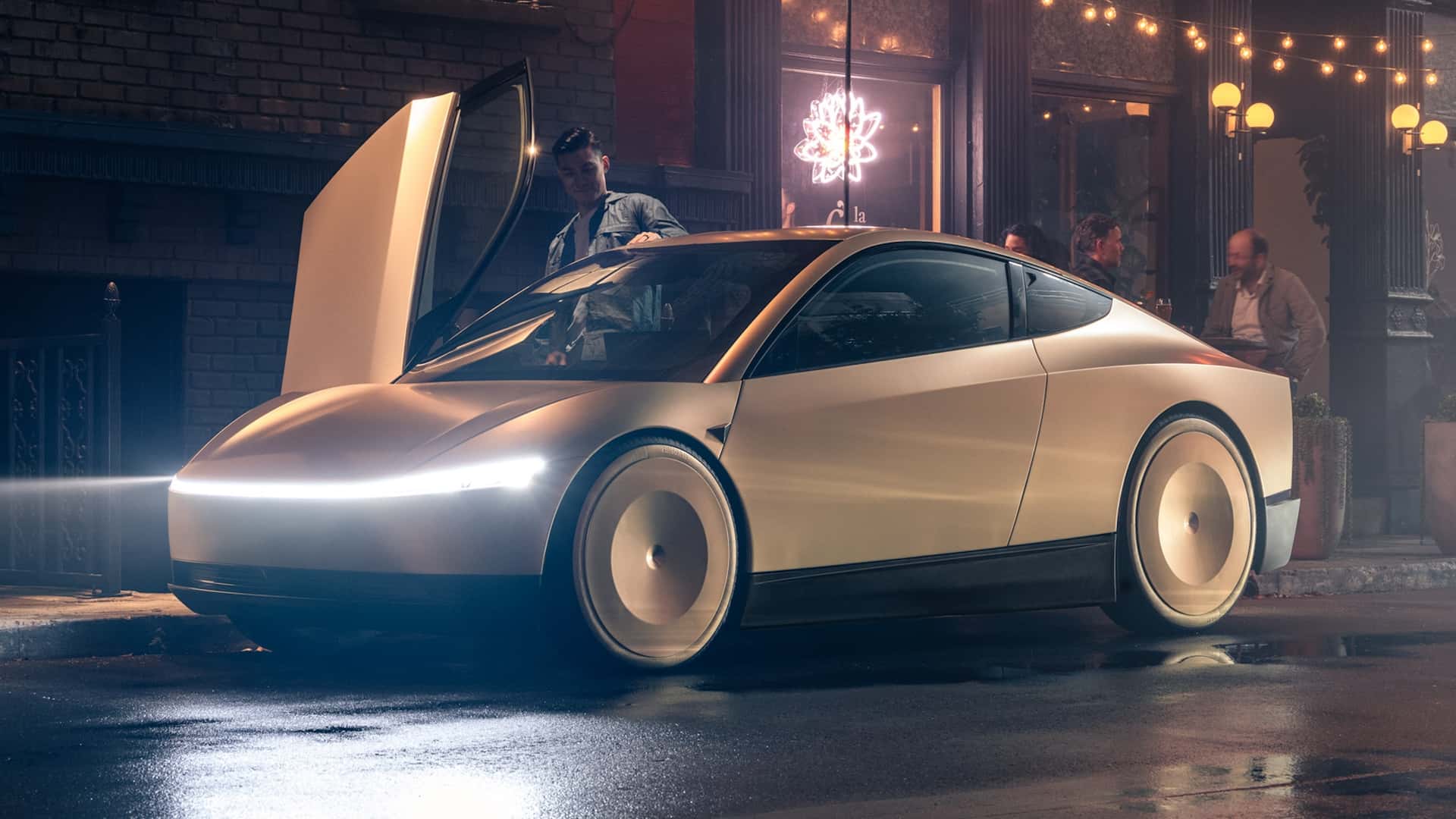
- NHTSA issued a Special Order requiring Tesla to explain under oath how the Cybercab was certified.
- NHTSA says a vehicle without a foot-activated brake cannot be certified under FMVSS No. 135.
- False certification could trigger civil penalties up to roughly $139 million.
Tesla held its Cybercab launch event in Austin on September 3, 2026. Limited paid service for riders in selected parts of the city began the following day.

NHTSA is now examining that rollout. Its Special Order demands sworn answers on how a vehicle with no steering wheel, pedals, or mirrors cleared federal safety rules.
NHTSA Scrutiny And Cybercab Self-Certification
The core question is how Tesla self-certified Cybercab against Federal Motor Vehicle Safety Standards instead of seeking a temporary exemption. Automakers in the US sign their own compliance paperwork, and NHTSA checks it later through audits and investigations.
Gallery: Tesla Cybercab seen live
Federal law bars certification if the signer has reason to know the paperwork is false or materially misleading. NHTSA’s Special Order puts Tesla’s Cybercab answers under oath, with potential civil penalties that could reach about $139 million if regulators decide the certification crossed that line.
Any false or incomplete responses can also raise issues under general statutes covering false statements or perjury. The actual risk depends on which provisions enforcement staff choose to invoke in a given case.
The Foot Brake Rule Tesla Has To Navigate
FMVSS No. 135 requires service brakes that are activated by a foot control. Cybercab has no traditional pedals, so Tesla has to explain how its design fits that language.
NHTSA has already issued updates that would let an automated vehicle treat an actuator or similar component as the service brake control instead of a human-operated pedal. Those proposals are still pending, so today’s rules still treat the foot control requirement as written.
That leaves Tesla’s interpretation of the current standard as the entire basis for Cybercab’s certification. Regulators are also probing temporary hardware like the bolt-on steering wheels described in the company’s first-responder guide for some units.
Zoox offers one comparison point. The Amazon-backed robotaxi developer initially argued that its purpose-built shuttle could meet the rules, then secured a limited exemption from specific standards for defined operating conditions.
Tesla has not disclosed a similar exemption for Cybercab and is depending entirely on self-certification. NHTSA’s process now has to decide whether that approach lines up with the regulations on the books.
Motor1's Take: NHTSA’s Special Order turns Cybercab from a bold demo into a legal stress test for Tesla’s whole robotaxi strategy. The company is betting that its reading of the brake and control rules will hold up under oath. If it does not, the bill could be steep, and the bigger cost may be time lost in the robotaxi race.