A retired NHS worker living in Cape Town found herself in an extraordinary financial crisis after the organisation responsible for her pension payments mistakenly recorded her as dead. Her pension stopped arriving in May 2026, leaving her struggling to pay everyday bills and forcing her to borrow money simply to travel to Britain and try to prove that she was still alive. The woman, who worked for the NHS for 11 years before retiring to South Africa in 2015, said repeated phone calls and emails failed to resolve the problem. Her situation became even more difficult because she was already dealing with financial hardship after a similar pension problem the previous year.
Get breaking news anytime, anywhere. Download the TOI app now!

NHS pension payments stopped after she was wrongly recorded as dead
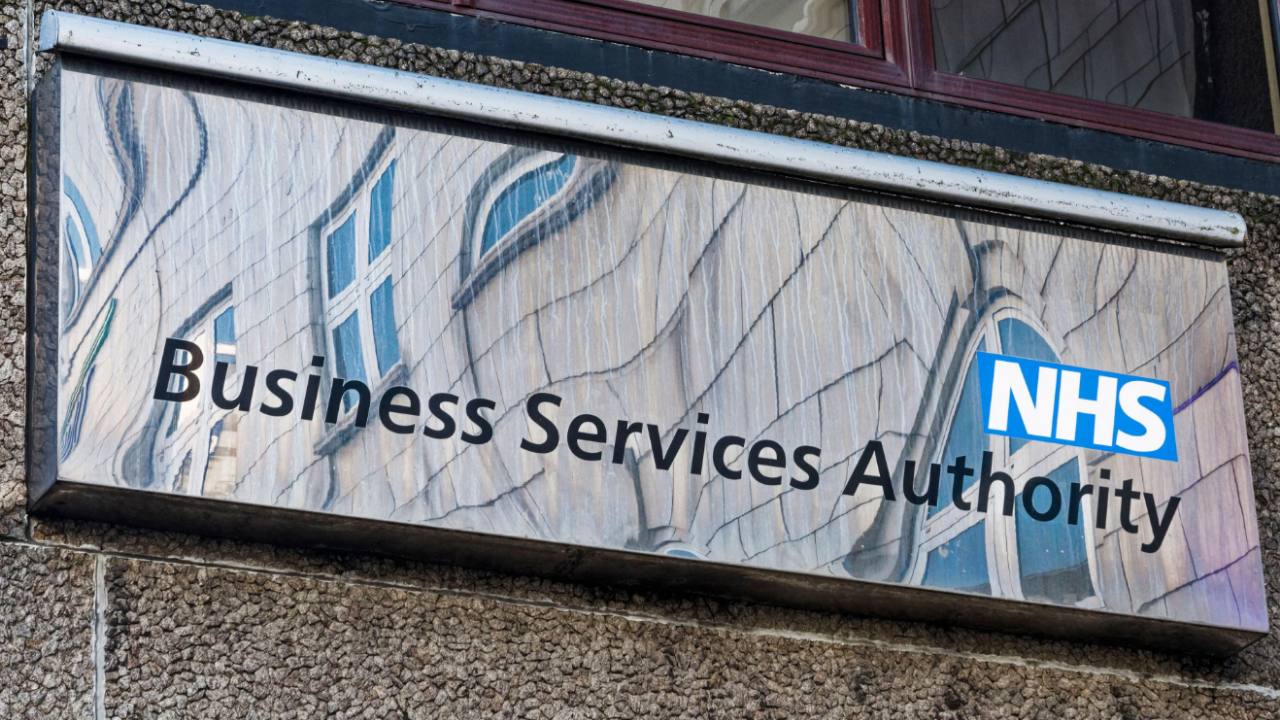
The pensioner first discovered something was wrong when her NHS pension stopped arriving in May. When she contacted the NHS Business Services Authority (NHSBSA), which administers the NHS pension scheme, she was reportedly told that its records showed she was deceased. Instead of receiving a straightforward explanation or having the error quickly corrected, she said her attempts to contact the organisation repeatedly led nowhere. Her emails received automated responses, while calls did not produce a solution. The interruption was particularly serious because the pension was an important source of income for her and her husband. The couple were already under severe financial pressure and were worried about meeting their regular bills. The pensioner also said she could no longer afford the cost of making international calls to the NHSBSA. Her financial difficulties had become so severe that she had even been unable to pay for dental treatment for a broken tooth.
Retired NHS worker borrowed money to fly to Britain and prove she was alive
With the problem still unresolved, the woman travelled from Cape Town to the UK using money borrowed from a friend. She hoped that appearing in person would finally persuade the pension authority that she was alive. Instead, her trip did not immediately solve the problem. After arriving in Britain, she was told that an NHSBSA system upgrade meant the organisation could only deal with general enquiries for several days. She was subsequently informed that her case required an investigation and that she could have to wait up to 30 days for a response. The pensioner was left in Britain for longer than expected, staying on a friend's sofa while attempting to resolve the matter. Her elderly husband remained in South Africa.
This was not the first time her NHS pension had been disrupted
The mistaken death record came after another pension problem had already caused serious difficulties for the retired NHS worker. In December 2025, her pension payments were also interrupted after someone apparently changed her account details and the money was paid to another person. She was eventually able to resolve that issue by providing identity verification, but she said she went without her pension for four months and had to borrow money from her brother during that period. The second disruption therefore came after months of financial uncertainty, making the latest mistake particularly damaging. This time, however, the problem was not an incorrect bank account. The pension authority's records had apparently linked her to a death record, effectively treating her as someone who had died.
NHSBSA admits an error was made in its records
The case was eventually escalated after The Guardian became involved. Three weeks after the newspaper contacted NHSBSA, the organisation paid three months of outstanding pension payments into the woman's account. NHSBSA also apologised for the distress and financial hardship caused by the mistake. A spokesperson said an error had been made in the records and that it had now been corrected. The organisation added that it took its responsibility to pension scheme members seriously and that the case had demonstrated areas where it needed to improve. NHSBSA also said it would discuss compensation with the pensioner, including the expenses she had incurred as a result of the ordeal.