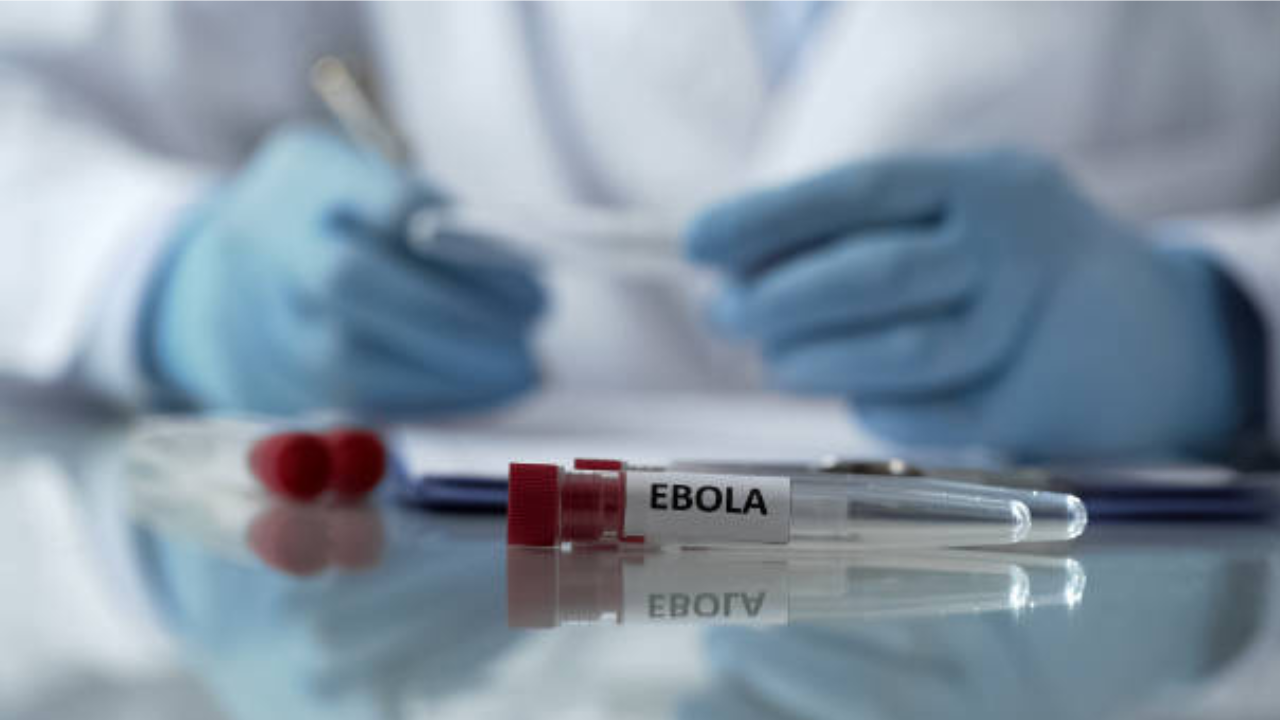
Scientists have found a new way in which Ebola reproduces in the human body, how it interacts with a human protein called ubiquitin and have thus identified a potential target for drugs to prevent the viral disease. The deadly virus affects people mostly in sub-Saharan Africa. "We used a combination of experimental and computational (using computers) methods to investigate the interaction between the Ebola virus VP35 protein and ubiquitin chains," said study co-author Rafael Najmanovich, a professor at the University of Montreal in Canada. "Advanced computational modeling by our team predicted the binding interface between a viral protein, VP35, and the ubiquitin chains in human cells, and identified potential chemical compounds that could disrupt this interaction," he said. The findings have been published in the journal PLOS Biology.
What is Ebola?