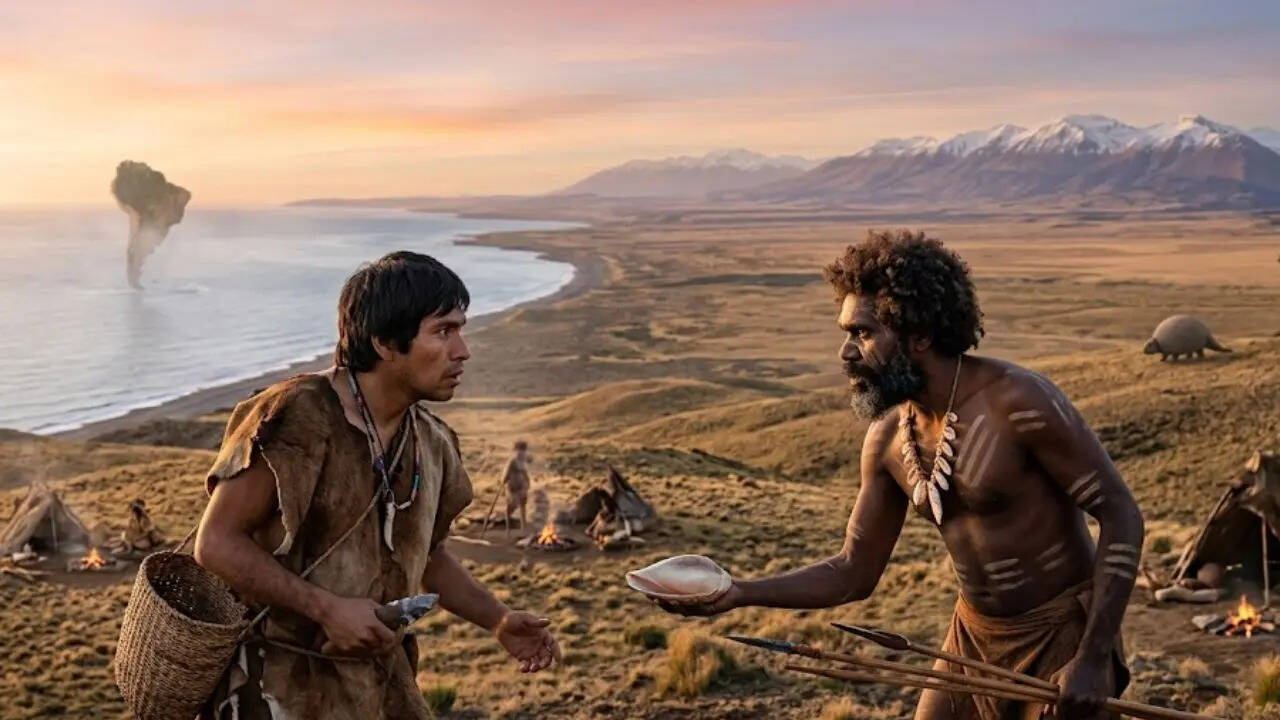
The fulfilment of South America increases the last large human migration in history and took place after other continents were occupied at least 10,000 years apart, thus making it the final major landmass to be colonised; the new study published in Nature redefines what we know about that colonisation process, which was not some chronological sequence of events as previously thought.
According to research published in Nature, the researchers looked at the genome (the entire collection of primary cells) of 128 indigenous people from 8 different Latin American countries. In doing so, they concluded that there were 3 distinct waves of dispersal for these indigenous peoples. However, the most surprising discovery to come out of this research is that certain groups of Indigenous people who live in the Amazon today share common ancestry with people who currently reside in Australasia, thereby offering a completely new perspective on how humans adapted to and survived in the variable and often very harsh environments found throughout all of North, Central, and South America during the last few thousand years. Genetic evidences like this revolutionizes our understanding of early human migration patterns, highlighting complex ancestral connections that spanned across vast oceanic distances.