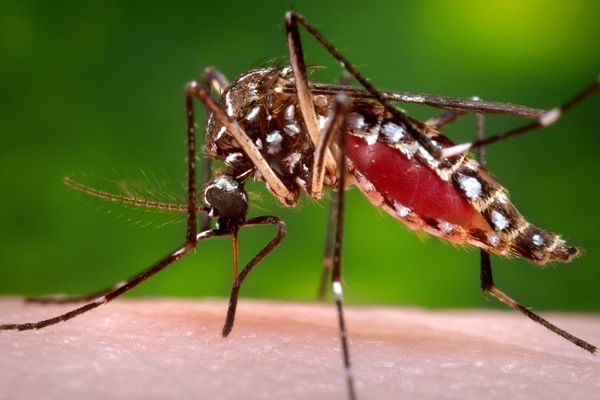
As temperatures drop and fall sets in, birdbaths become increasingly important water sources for local wildlife. But the falling leaves, debris, and increased bird traffic can quickly turn your birdbath into a breeding ground for harmful bacteria and algae.
Regular cleaning is essential before frost arrives, ensuring birds have access to clean water throughout the colder months. While it might be tempting to reach for bleach or dish soap, these common cleaning agents can be harmful to birds.
Instead, there's a simple solution that's probably already in your kitchen pantry — white vinegar. This natural cleaner effectively eliminates bacteria and algae without leaving dangerous residues that could harm your feathered friends.
1. Why white vinegar is the best choice
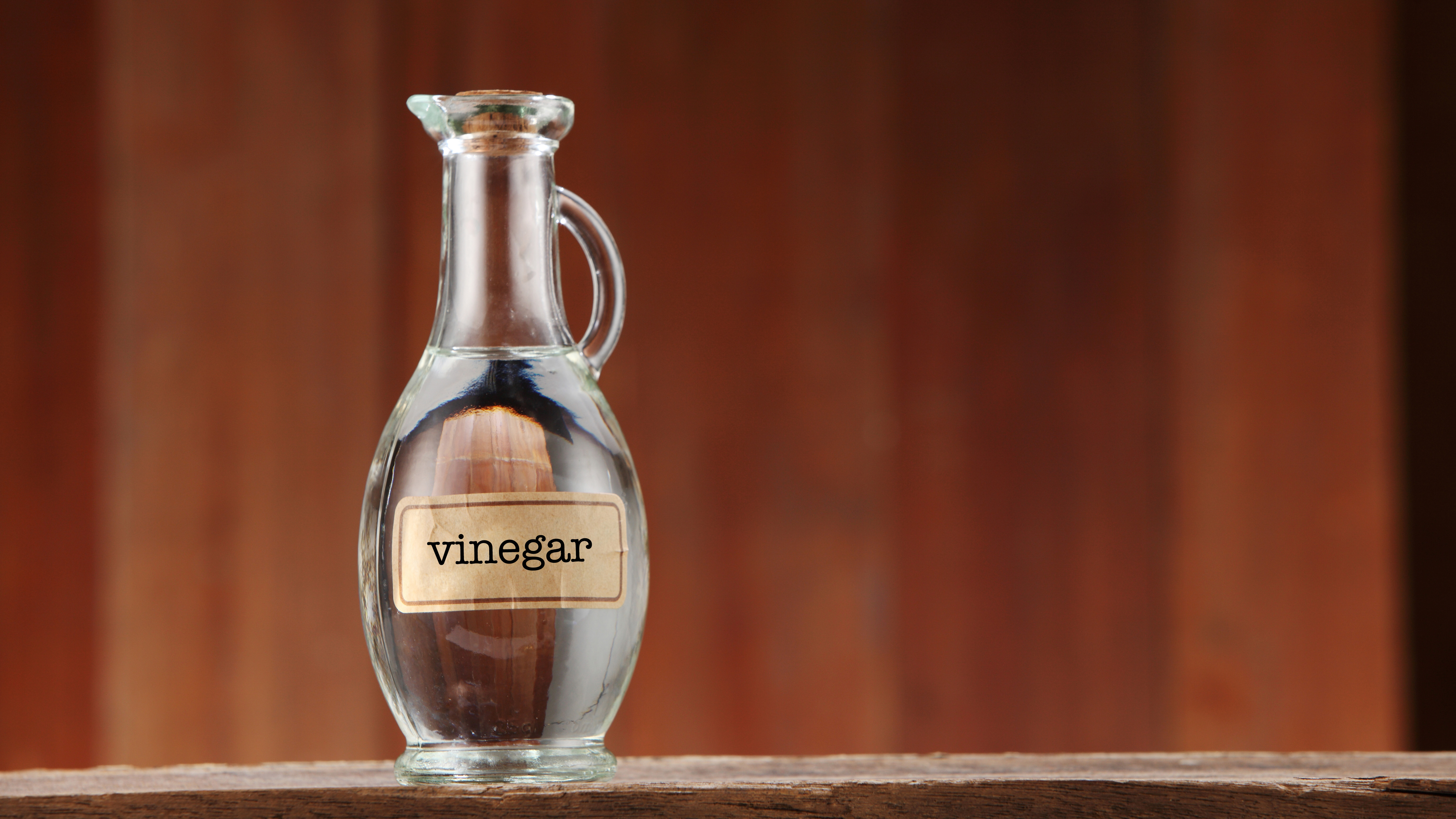
Commercial cleaning products like bleach and soap can be dangerous for birds, even after thorough rinsing. Instead, use a simple mixture of vinegar and water for cleaning birdbaths.
The recommended ratio is typically one part white vinegar to nine parts water, creating a solution strong enough to clean effectively without posing risks to birds.
Bleach is obviously toxic, but even soap can be problematic as it's designed to remove oils — including the natural oils that keep bird feathers waterproof and protected from harsh weather.
White vinegar, on the other hand, has natural antibacterial and antifungal properties that clean effectively without harming wildlife.
2. How to properly clean your birdbath
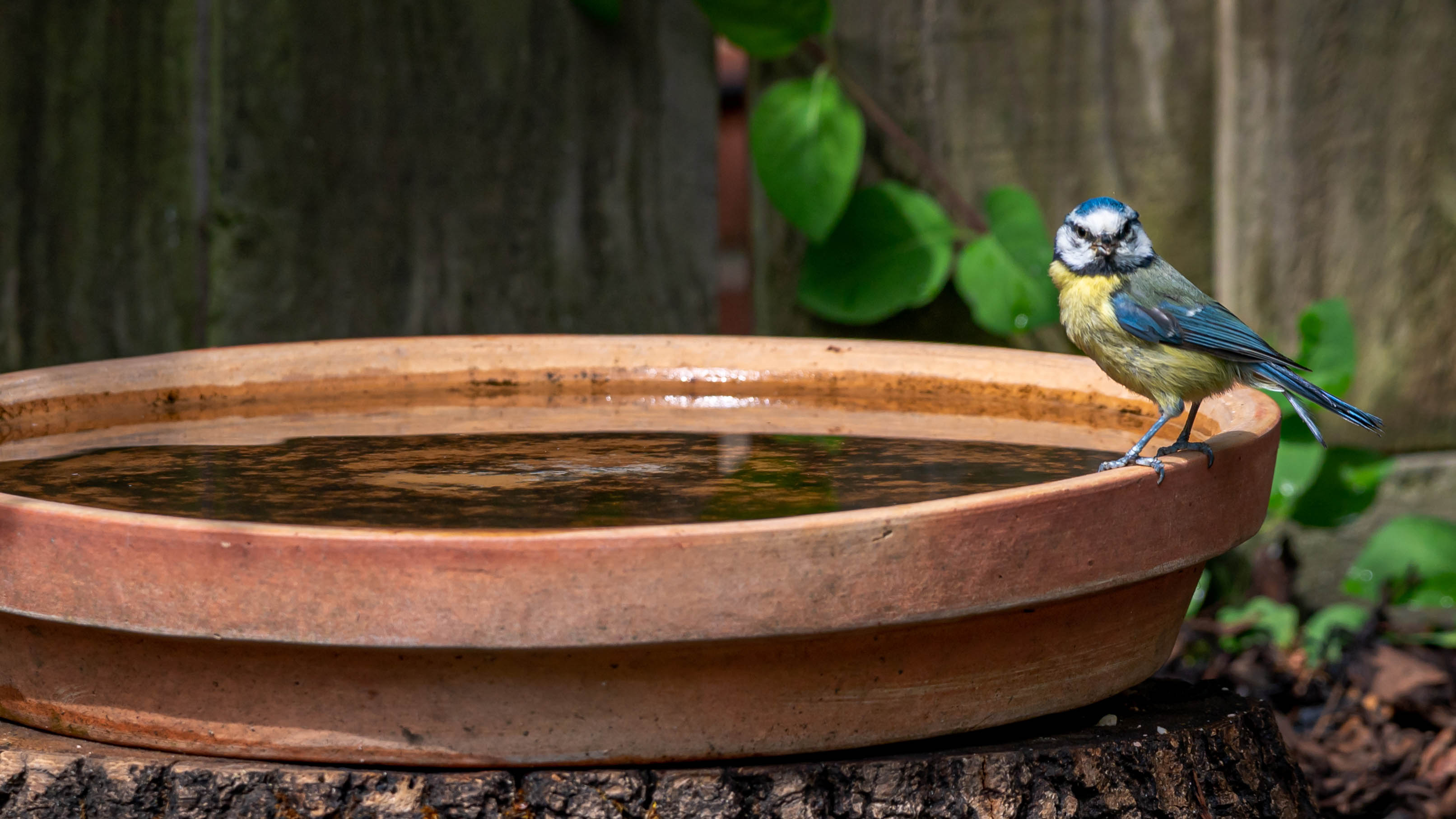
The cleaning process is straightforward and requires minimal supplies: just vinegar, water, and a scrub brush.
Start by gathering a bucket or container and mixing your cleaning solution of one part white vinegar to nine parts water. Empty the old water from the birdbath and pour in your vinegar solution.
For stubborn algae or staining, let the solution sit for about ten minutes (but keep an eye on it to prevent birds from drinking the mixture). Then use a hard-bristled brush to scrub the entire surface of the bath, paying special attention to any green patches or stained areas.
3. Rinse thoroughly and position
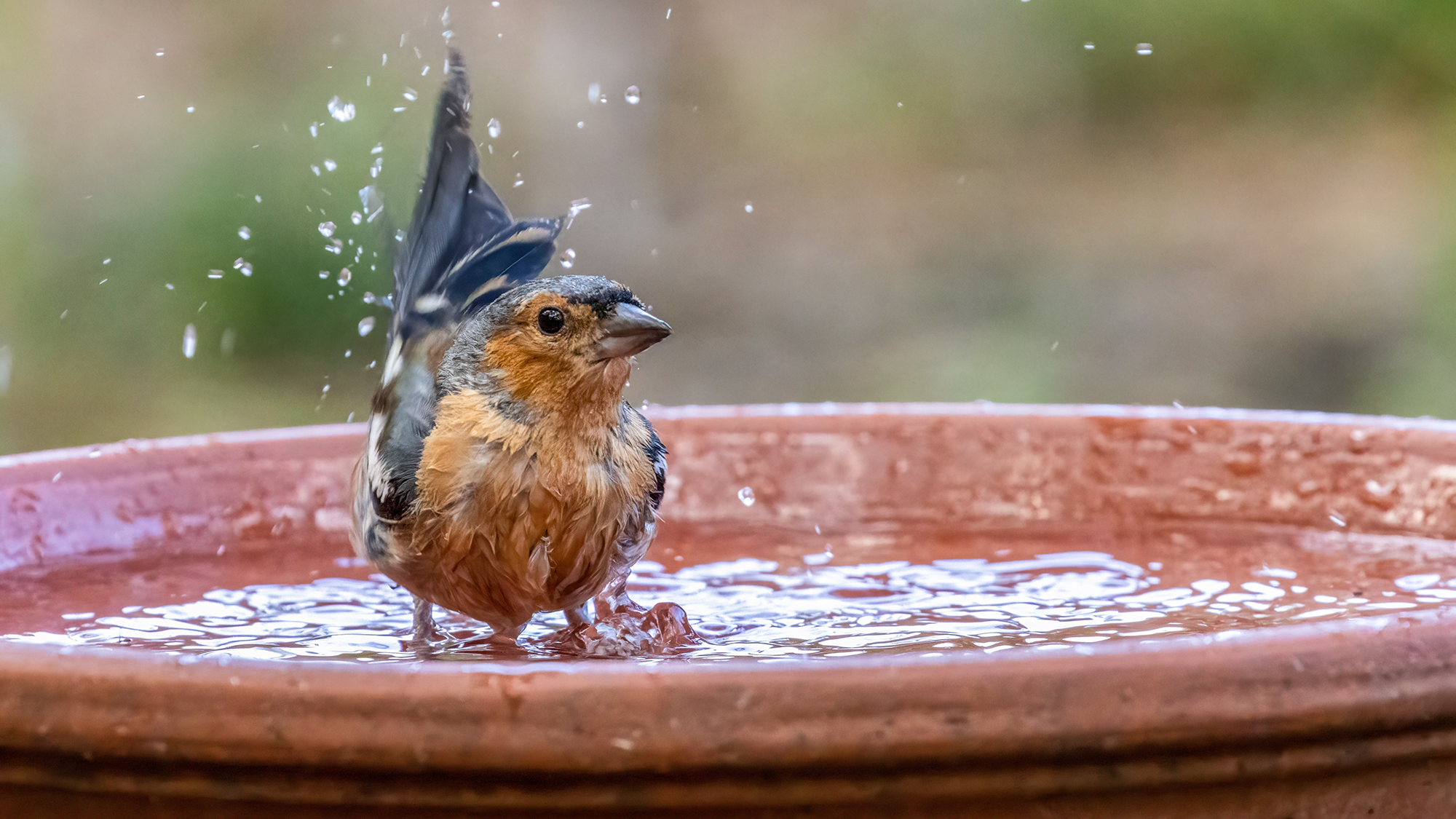
After scrubbing, it's crucial to completely remove all traces of vinegar from the birdbath. Rinse the birdbath several times with clean water until you can no longer detect any vinegar smell. This ensures the bath is completely safe for birds to use.
Refill with fresh water and place the bath where birds can easily access it - near feeders and trees, but not directly underneath them where falling debris could quickly contaminate the water again.
Also, plan to change the water at least twice weekly to prevent bacteria buildup.
Why regular cleaning matters for bird health
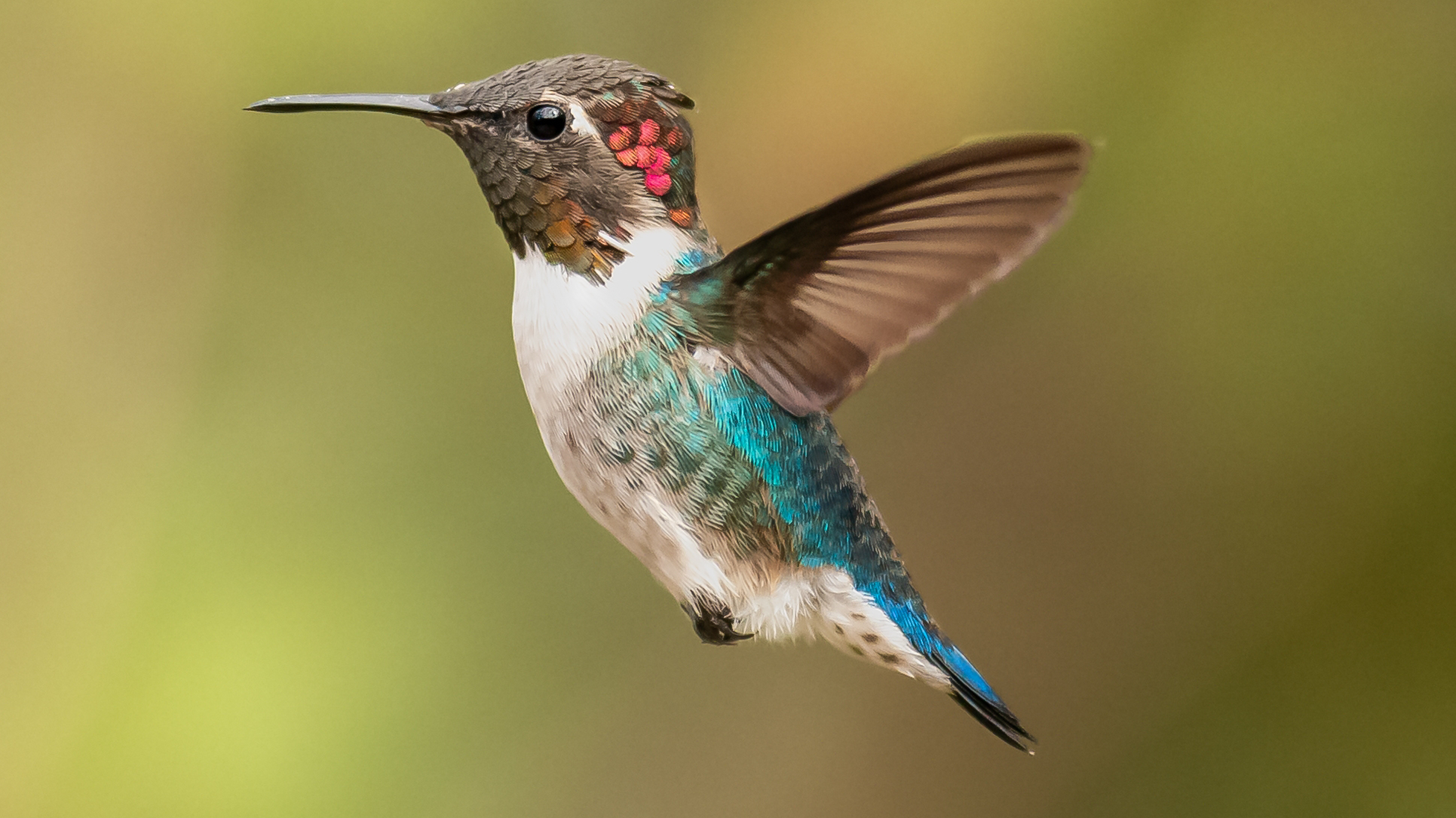
A clean birdbath does more than just look better in your garden - it's essential for bird health and survival.
Dirty birdbaths can harbor harmful bacteria, parasites, and algae that can make birds sick. As natural water sources become more scarce in the fall and winter months, birds rely more heavily on human-provided water features.
Regular maintenance ensures your birdbath remains an asset to local wildlife rather than a potential hazard. Plus, a clean birdbath will attract more birds to your garden, allowing you to enjoy greater biodiversity and bird watching opportunities throughout the season.

Follow Tom's Guide on Google News and add us as a preferred source to get our up-to-date news, analysis, and reviews in your feeds.