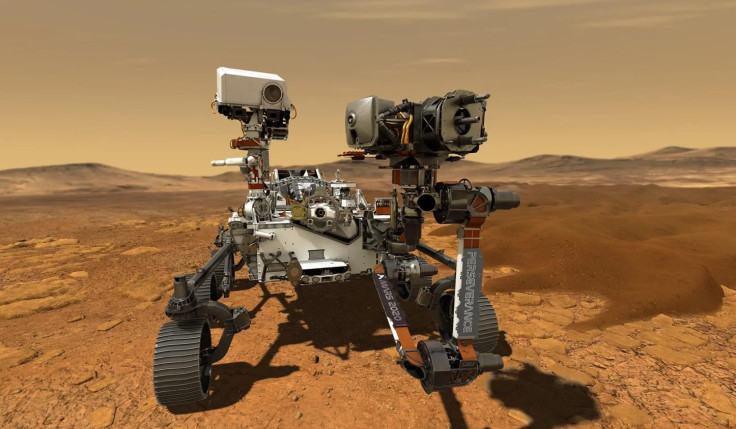
NASA's Perseverance rover has uncovered its strongest evidence yet that Mars may once have supported life, and in rocks younger than scientists expected.
A paper published Wednesday in Nature details the discovery of potential biosignatures within a rock sample nicknamed 'Sapphire Canyon', drilled from a site known as 'Cheyava Falls' in July 2024. The find suggests that Mars could have remained habitable far later in its history than previously believed.