
Get all your news in one place.
100's of premium titles.
One app.
Start reading
Woman & Home
Woman & Home
Lifestyle
Jack Slater

Nancy Birtwhistle reveals the 'amazing' reason you should embrace a few nibbled leaves in your garden

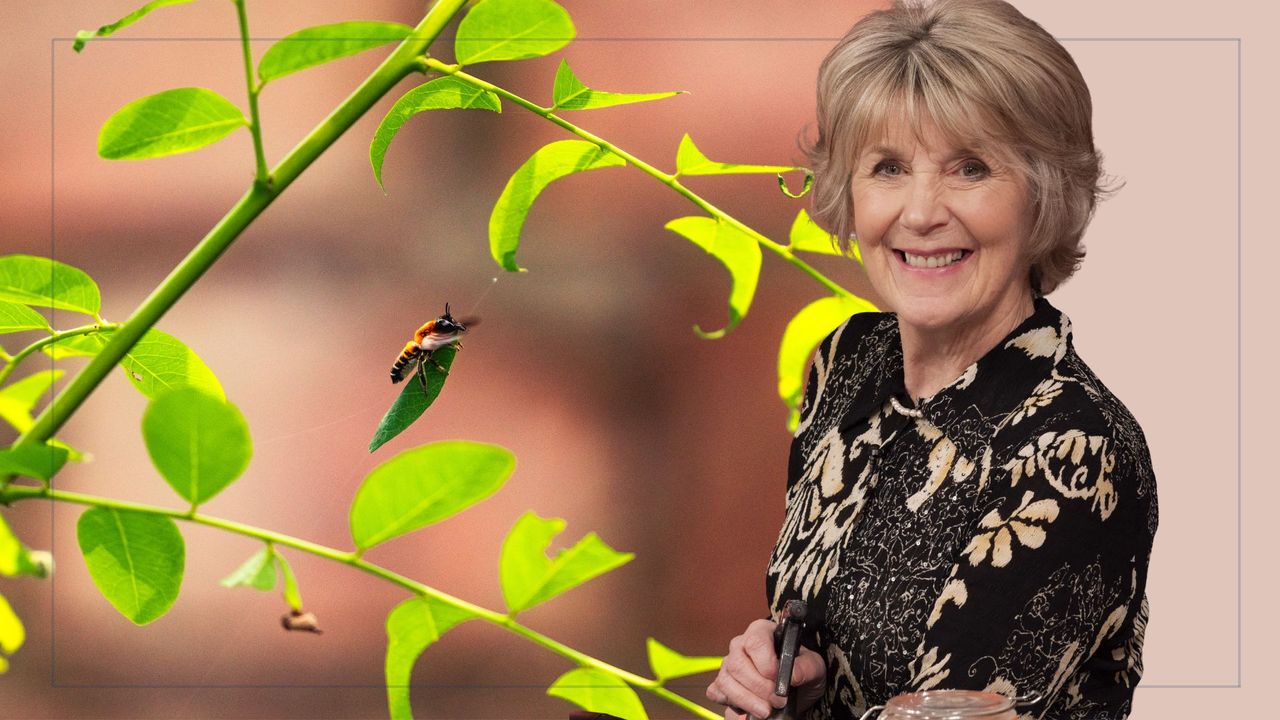
Collage image of a leafcutter bee and Nancy Birtwhistle.

Every gardener, from the flowered expert to the budding enthusiast, dreads the day they go to check on their crop and find something’s been helping itself to the leaves.

Pests are known to eat away at the leaves and flowers, often ruining your dream of a sprawling cottage garden or a meadow of wildflowers. However, there’s a reason you should think twice before reaching for the pesticides and insect repellent chemicals.

While some insects are pests, others are not. Like the humble leafcutter bee. Former Bake Off winner Nancy Birtwhistle has delighted her audience by filming the leafcutter bee in action, sharing why it’s important to let them do so, and why they don’t actually damage your plants at all.

A post shared by NANCY (@nancy.birtwhistle)

A photo posted by on

Taking to her social media, @nancy.birtwhistle on Instagram, Nancy shared an insightful video detailing the journey of the solitary leafcutter bee.

She explained why, when growing roses in the garden, she resists spraying chemicals to ward off insects. “I resist spraying because greenfly is a food source to insects and birds. If you look at your leaves and you think, ‘Oh, something's been nibbling that, I need to get the spray gun out’, then don't because you might be lucky enough to have a leafcutter bee.”

(Image credit: Getty Images)

Leafcutter bees, unlike the honeybee or other social bees, are solitary. Working alone, each female bee builds a nest. This nesting process, as caught on film by Nancy’s fascinating video, includes the bee using her strong mandibles to cut pieces from the edges of leaves.

She then carries these leaf pieces back to her nest, which is typically set up in dark holes or cavities, such as hollow stems, holes in wood, or, in Nancy’s case, garden furniture. Some even make bee hotels for leafcutter bees to use.

After lining her nest with the leaf pieces and forming a structure inside that will act as a series of cells for each of the future offspring, the female bee deposits a mixture of pollen and nectar. She then lays a single egg on top of the pollen, sealing the cell with another leaf cutting, and repeats the process until the nest is full.

A post shared by BBC Springwatch (@bbcspringwatch)

A photo posted by on

The leafcutter bee is not dangerous and will rarely sting. Moreover, for anyone worried about their rose bushes or other plants, the clever leafcutter bee tends not to damage the plant in question.

Their neat, circular leaf cuttings leave behind purely cosmetic damage rather than threatening the plant's health or ability to keep on flowering and growing. They are more likely to cut from plants with soft, tender foliage such as roses, lilac, wisteria and peas.

However, if you have plants that need to be aesthetically pleasing - perhaps you’re growing them for a show, or you’re growing plants for an event - you might not want chunks missing out of them.

Per Gardeners’ World, you can simply try to identify the solitary female bee and swish her away. If that doesn’t deter her, try moving your plants and leave something else in their place that the bee can use.

Do not spray chemicals; the leafcutter bee is a friendly and beneficial insect.

Celebrated pollinators, the leafcutter bee can provide benefits to everything from carrots, blueberries, tomatoes, Dahlias, sunflowers, mint and wildflowers. Because they carry dry pollen loosely on their fuzzy abdomens - opposed to the honeybee that carries them on their legs - they easily cross-pollinate every flower they touch.

Sign up to read this article
Read news from 100's of titles, curated specifically for you.
Already a member? Sign in here
Related Stories
Top stories on inkl right now
One subscription that gives you access to news from hundreds of sites
Already a member? Sign in here
Our Picks
Fourteen days free
Download the app
One app. One membership.
100+ trusted global sources.