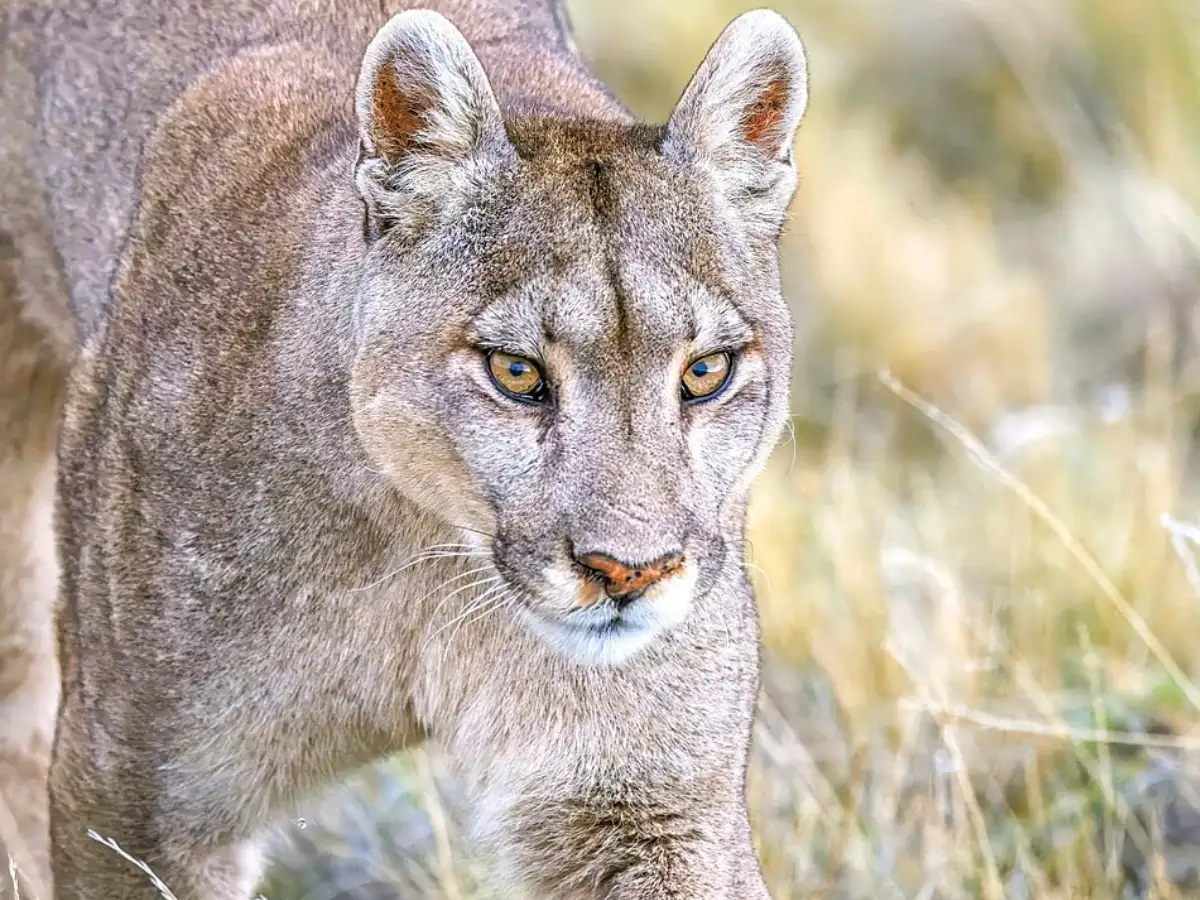
Large predators are supposed to need large spaces. This assumption has shaped decades of US conservation planning, with small wildlife refuges often dismissed as too small to matter ecologically. A new study from Stanford University just threw a wrench in that thinking.
According to the study, ‘Mammal Community Responses to Increasing Puma Activity in a Suburban Preserve,’ published in Ecology and Evolution, researchers spent nine years tracking what happened after a mountain lion began regularly passing through Jasper Ridge Biological Preserve, a roughly 1,200-acre stretch of land about 45 miles south of San Francisco. The preserve itself is too small to be able to support a resident population of mountain lions. In the nearby Santa Cruz Mountains, cats generally range over territories from 8 to 66 square miles. But this one visiting cat rearranged the entire local food web.