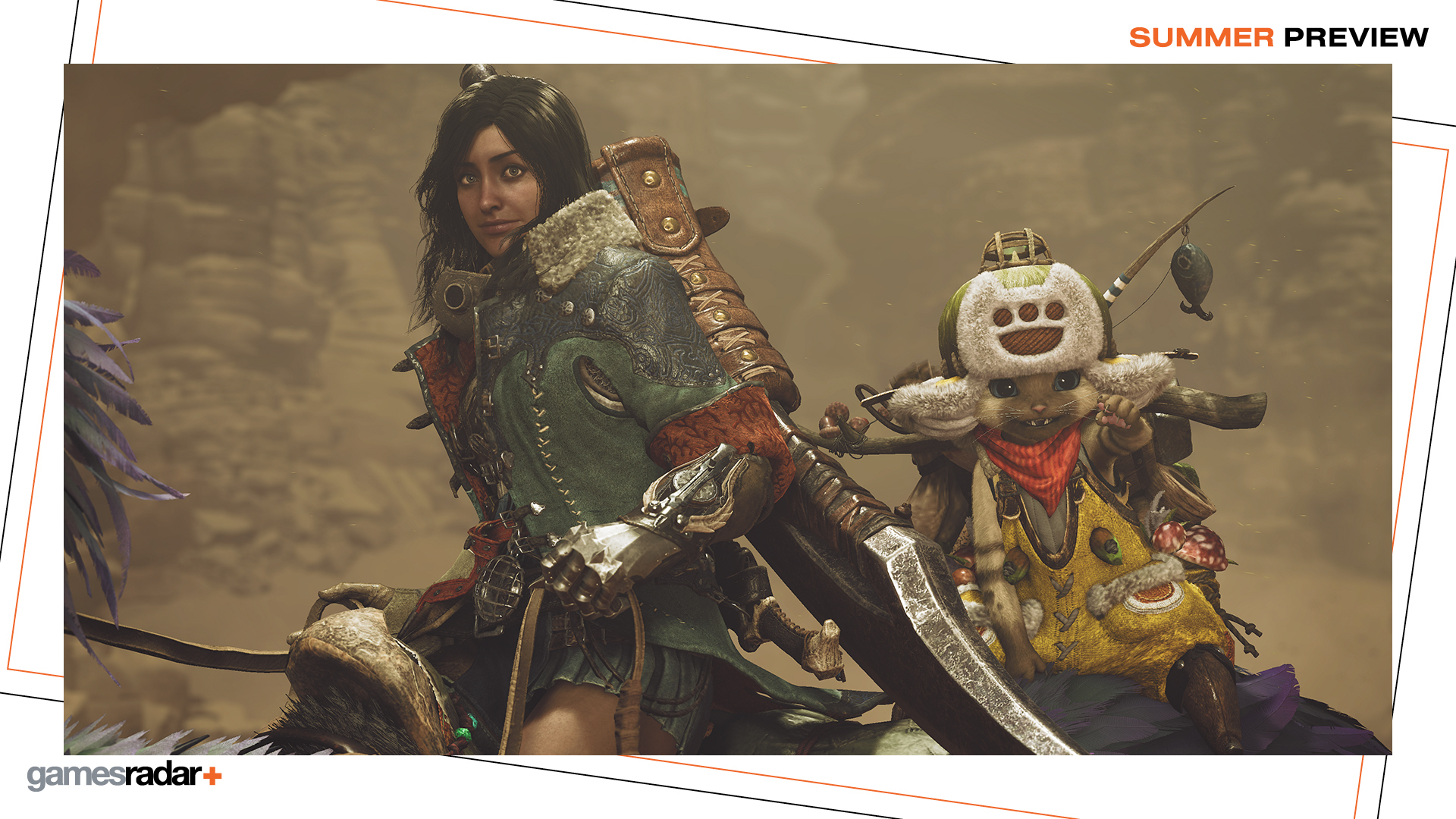
Monster Hunter is officially 20 years old, but for many modern fans, Monster Hunter Wilds will only be their second or third game. 2018's Monster Hunter World turned the niche action RPG series into the global hit it was always meant to be with a game loop so watertight, bringing in millions of new players and snowballing into a lengthy reign as the game of the moment. It wasn't a flash in the pain, either. World's explosive popularity carried over to 2021's Monster Hunter Rise. These two games and their Master Rank expansions represent about 48 million of the 100 million units sold in Monster Hunter's history. This is why, to this day, I refer to the phenomenon of a niche series finding mainstream success as pulling a Monster Hunter World.
Monster Hunter is Big big now, so with Monster Hunter Wilds, the series finds itself in a curious position. As great as it was, Monster Hunter Rise was a very different game than World, adopting new mechanics and a more stylized look and feel familiar to older fans but possibly jarring to World newcomers. Rise felt like its own thing, where Wilds looks like World 2 in all but name. It's with Wilds, which ironically faces a bit of a second album situation, that I think we'll see Capcom affirm what Monster Hunter looks like now and into the future. If World set the ball up, Wilds will spike it down. At least, that's the vibe I got while talking (via interpreter) to Monster Hunter Wilds director Yuya Tokuda and series producer Ryozo Tsujimoto at Summer Game Fest, tucked away in an underground room with concrete walls gussied up with Monster Hunter memorabilia