The monsoon is a need to break from the summer heat while also raising the risk of a number of serious diseases. Rain, soaking and high humidity are all conducive to mosquitoes, bacteria and viruses. Consequently, the incidence of diseases like Dengue, Malaria, Typhoid and Stomach infection increases during these monsoon months.
Dengue
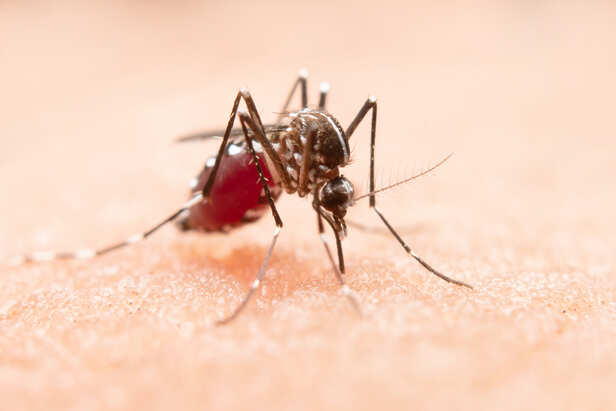
Dengue is one of the most commonly seen diseases during monsoon. Transmitted by infected mosquitoes, which breed in clean stuck water.
Major symptoms:
- High fever
- Severe headache
- Headache behind the eyes
- The pain is felt in the muscles and joints.
- Skin rash
Prevention:
- Drain coolers, flowerpots and buckets of old water.
- Wear full-sleeved clothing.
- Apply mosquito repellents and use window screens.
Malaria
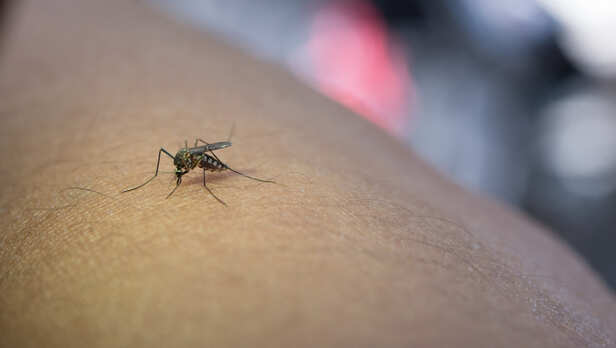
Malaria is a disease of parasites transmitted by Anopheles mosquito, which is bred in stagnant rain water.
Major symptoms:
- A high temperature and shaking chills.
- Sweating
- Headache
- Fatigue
- Body aches
Prevention:
- Use mosquito nets when sleeping at night.
- Maintain a clean environment.
- Immediate medical attention should be taken if the fever continues.
Chikungunya
Chikungunya virus infection is another mosquito-borne viral disease that occurs during the rainy season.
Major Symptoms:
- Fever
- Joint pain
- Muscle pain
- Rashes
- Fatigue
Different from dengue, the joint pain in chikungunya infection lasts for several weeks or even months.
Typhoid
Typhoid spreads food and drinking water that are contaminated during floods.
Symptoms:
- Constant fever
- Abdominal pain
- Weakness
- Lack of appetite
- Headache
Prevention:
- Drinking boiled/filtered water
- Eating fresh food
- Not eating dirty street food
Leptospirosis
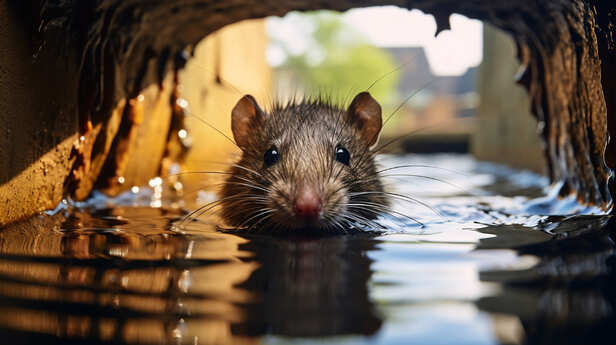
Leptospirosis is a disease caused by bacteria and is transmitted via floodwater which is infested with urine from an infected animal.
Symptoms include:
- Fever
- Muscle pain
- Headache
- Vomiting
- Chills
It is important to avoid walking in floodwater without shoes.
Cholera
Cholera is a very serious disease caused by bacteria which results in severe diarrhoea and dehydration.
Symptoms include:
- Diarrhoea which is watery
- Vomiting
- Dehydration which is severe
- Cramps in the muscles
Gastroenteritis
Gastroenteritis is commonly referred to as stomach disease , and cases are high during the monsoon season owing to food spoilage in humid conditions.
Symptoms:
- Nausea
- Vomiting
- Diarrhea
- Stomach ache
- Fever
Do not consume uncovered food, cut fruits, or contaminated drinks.
How to Keep Yourself in the Monsoon session
Keep safe by heeding these easy steps:
- Rid your surroundings of stagnant water every few days.
- Consume only boiled, filtered water.
- fresh food cooked and consumed hot.
- Wash your hands with soap before you eat and when coming back from outside.
- Use mosquito Gross and wear full sleeves.
- Steer clear of flooding streets whenever you can.
- Go near the hospital to check fever, diarrhoea, or body pains.
Unlock insightful tips and inspiration on personal growth, productivity, and well-being. Stay motivated and updated with the latest at My Life XP.
Frequently Asked Questions (FAQs)
What is the most prevalent health issue in the monsoons?Dengue, malaria, chikungunya, typhoid, leptospirosis, cholera and gastroenteritis are the common monsoon diseases. These diseases are transmitted via mosquito bites, contaminated water and contaminated food and thus are particularly effective during the rainy seasons to prevent the spread of the disease.
What are the measures that can be taken to avoid diseases during this monsoon?
Mosquito control can help by removing stagnant water around your home, drinking boiled or filtered water, eating freshly cooked food, keeping your hands thoroughly clean and using mosquito repellents that prevent mosquito bites by wearing long sleeved garments.
What are the safety tips for rainy weather?
If possible, do not walk in water, wear an umbrella or raincoat, waterproof shoes and walk away from the electrical wires, keep your surroundings clean and dry yourself immediately after getting wet to avoid infections.
What is the best time of the monsoon to see a doctor?
Contact the doctor as soon as possible if you have a high fever, severe body pain, vomiting that does not stop, diarrhoea, difficulty breathing, abnormal bleeding or symptoms that last more than 2 days. Timely detection helps avert complications of common diseases during the monsoon.