
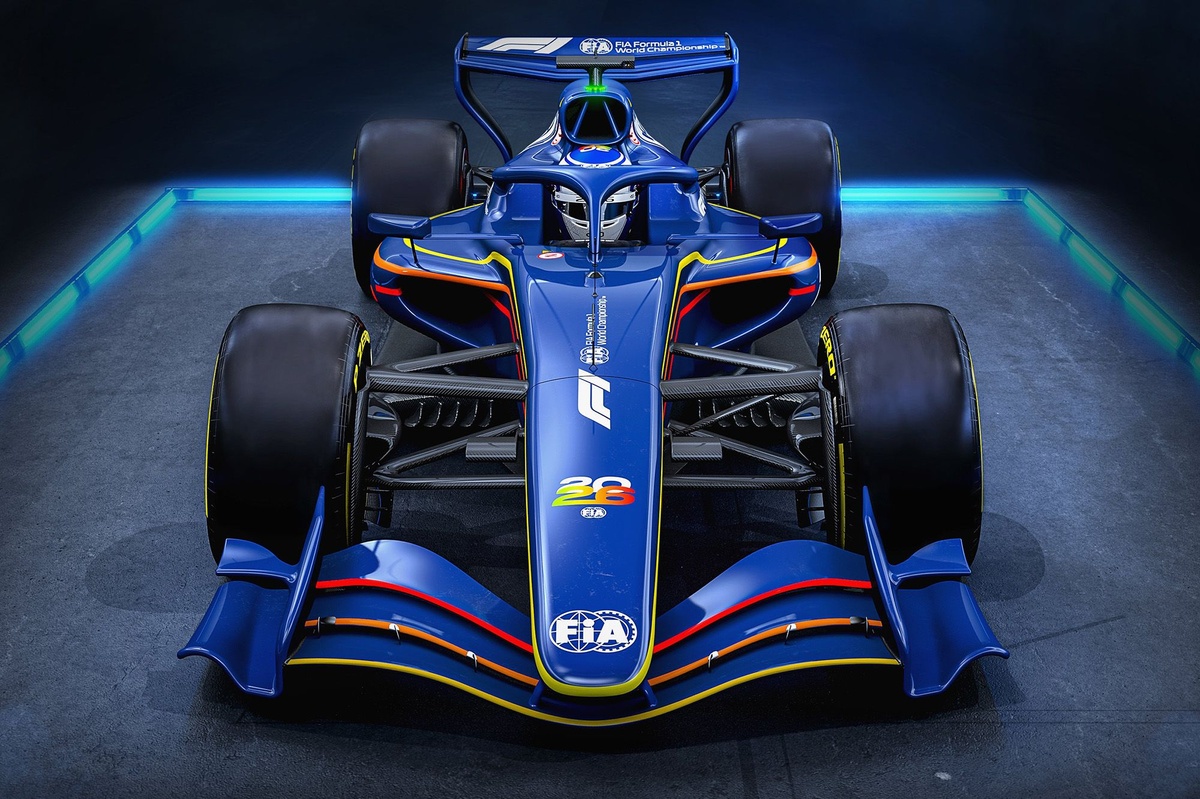
Mercedes' trackside engineering director Andrew Shovlin does not expect the 2026 cars to suffer from the porpoising and bouncing issues that plagued the current generation of Formula 1 machinery - but says teams will have to remain vigilant against similar knock-on effects.
Next year's floor geometry will align more closely with those used prior to 2022, with a largely flat floor between the front and the diffuser. Due to the expected airflow structures underneath the car, porpoising is far less likely to occur with the new floor.
While many theories over the root cause of porpoising and bouncing prevailed in the early stages of the current regulations, it has been attributed to the vortex structures underneath the car bursting under load. At its core, the bursts caused the car to bounce up, before moving closer to the ground again, creating a cyclical motion.














