
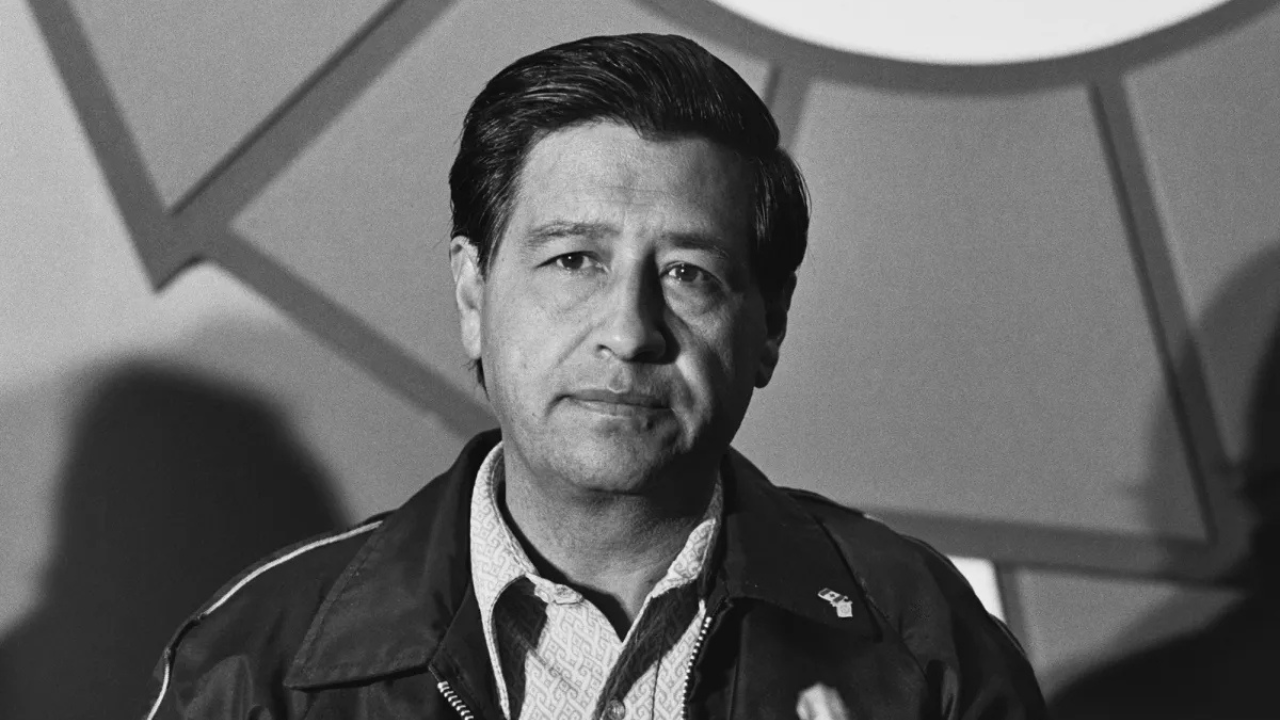
For decades, Cesar Chavez occupied a near-sacred place in the American conscience, a brown-skinned son of migrant labourers who rose, through sheer moral force and extraordinary courage, to become the most powerful labour leader the United States had ever seen. Streets bore his name. Schools were built in his honour. Presidents kept his bust in the Oval Office. He was, by every measure of public adoration, untouchable. Then, in March 2026, the women who had served beside him in silence for sixty years finally spoke and the pedestal began to crack.













