Mazda strongly suggests it could become even more reliant on Chinese-built electric vehicles. The Japanese automaker is already selling the China-made 6e and CX-6e in export markets, but apparently two EVs won't be enough. It has started discussing additional models with its longtime Chinese partner, Changan.
Speaking to GoAuto, Mazda Australia managing director Vinesh Bhindi confirmed the company is looking to expand the partnership beyond the existing electric liftback and SUV: "We have started talking about what other opportunities could be there.” Asked whether Mazda will lean on Changan for EVs while its own battery-electric program continues in the background, Bhindi's answer was refreshingly straightforward: “Absolutely.”

That's a pretty significant admission for a company that has spent years preaching its multi-solution approach to electrification. Mazda isn't abandoning its own technology, but Changan gives it a shortcut to expand its EV lineup without developing every model from scratch. In Europe, electric cars are becoming a necessity if automakers want to avoid paying hefty fines for exceeding fleet emissions. Mazda's situation is so delicate that it had to discontinue the Miata's 2.0-liter engine due to increasingly stringent regulations.
Two More EVs With Chinese Origins Are Coming This Decade
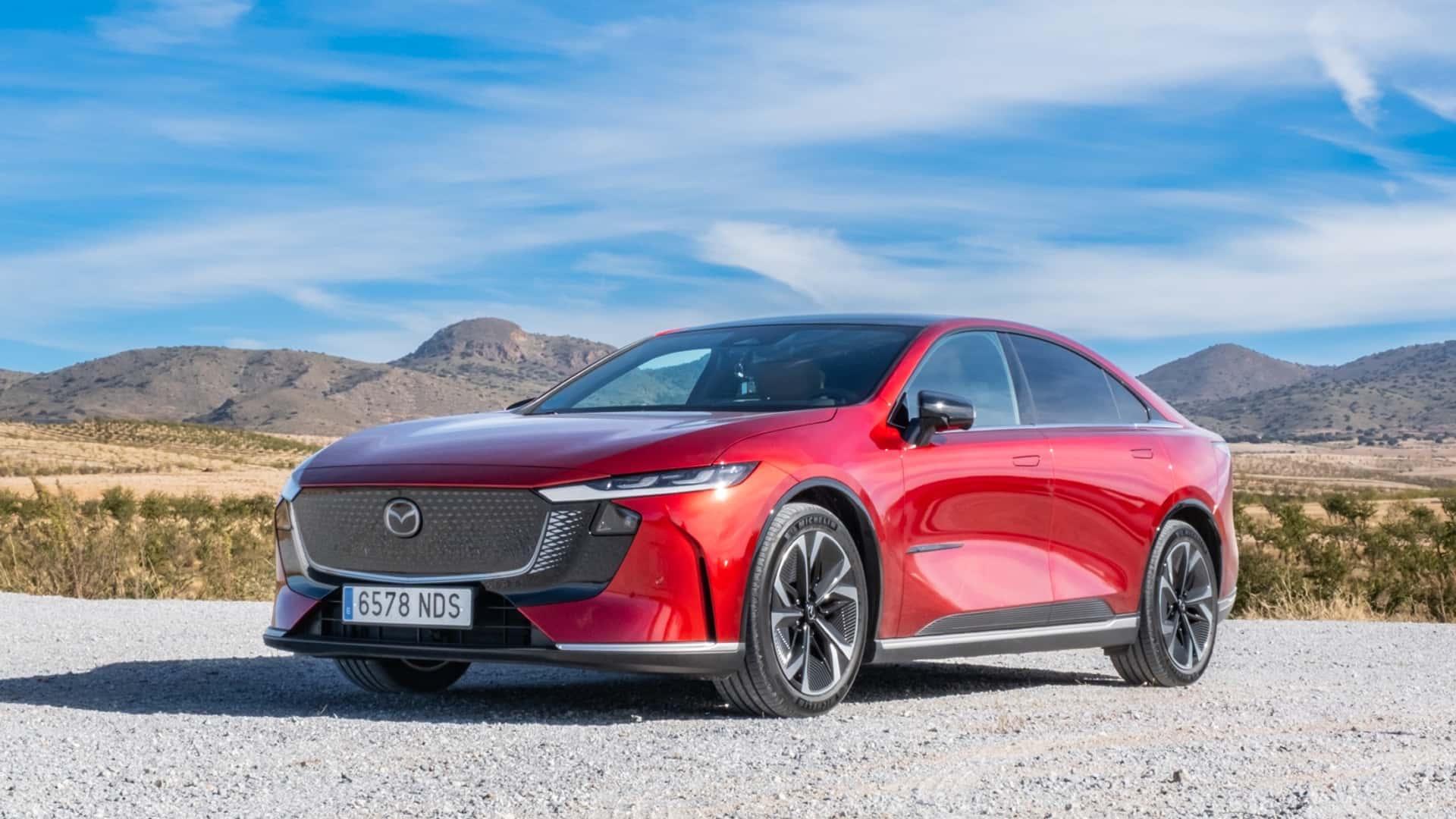
Mazda's own corporate roadmap already calls for two additional models based on its Changan joint venture during the 2028-2030 period. The company has also said its Changan-produced EVs are part of its broader strategy to expand exports beyond China. Bhindi added that, much like the 6e and CX-6e pictured here, any future models will be more than just Chinese cars with a Mazda logo:
'We’ve put a lot of effort in (and) we will continue to do that to make sure (Chinese-built Mazda) models are different … there are more opportunities to keep doing that.'
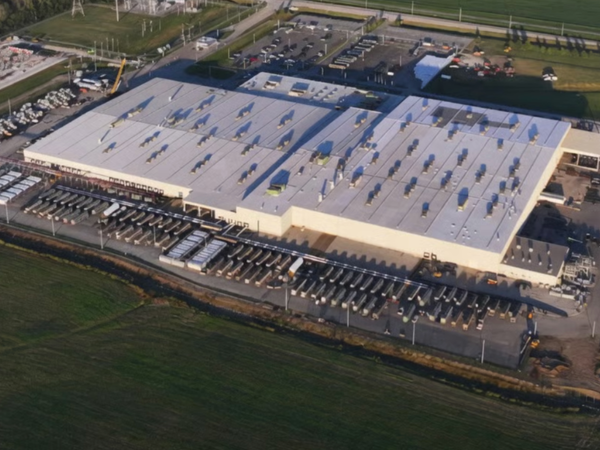
It goes even further than that. The Nanjing facility operates as a Mazda factory within the joint venture, while the European team works on ride and handling. That's important because Mazda is essentially trying to have it both ways: take advantage of China's increasingly competitive EV technology and manufacturing ecosystem while retaining enough of its own character to make these cars feel more Zoom-Zoom than Shenzhen special.
Ok, But What About Mazda’s Own EVs?
Well, the already forgotten MX-30 clearly didn't work, and it's not because it had rear-hinged doors. The problem was its abysmal range, which Mazda tried to address with a range-extending version that uses a rotary engine as a generator rather than to drive the wheels.
The company has since pushed back its next in-house EV again, now targeting 2029 for its dedicated battery-electric models. At the same time, it is nearly halving its EV investment and putting more resources into hybrids centered around its new Skyactiv-Z gas engine.
Meanwhile, China is increasingly looking like a global EV-exporting hub. While details about the third and fourth models aren't available, Mazda likely sees big opportunities in strengthening ties with Changan to speed up development and cut costs while it takes its sweet time working on its own EVs.
EVs Are A Necessity To Keep The Lights On
A big part of this strategy is simply regulatory pressure. Automakers can talk about giving customers a choice all they want, but increasingly strict emissions rules are forcing them to add more EVs to the lineup. That makes Changan an increasingly useful shortcut for Mazda: it can expand its electric offering relatively quickly while continuing to invest in hybrids and combustion engines in markets where demand remains strong and ICE still has a future.
Mazda has suggested that even its beloved Miata could be electrified one day, so the direction is pretty clear, and all bets are off. If it's willing to consider putting batteries into its lightweight sports car, it certainly won't hesitate to electrify more mainstream models as regulations become increasingly demanding.
For now, Changan gives the Japanese automaker a relatively quick way to bulk up its EV lineup before the in-house hardware is finally ready.
Mazda CX-6e